Commercial Door Roller & Track Repair
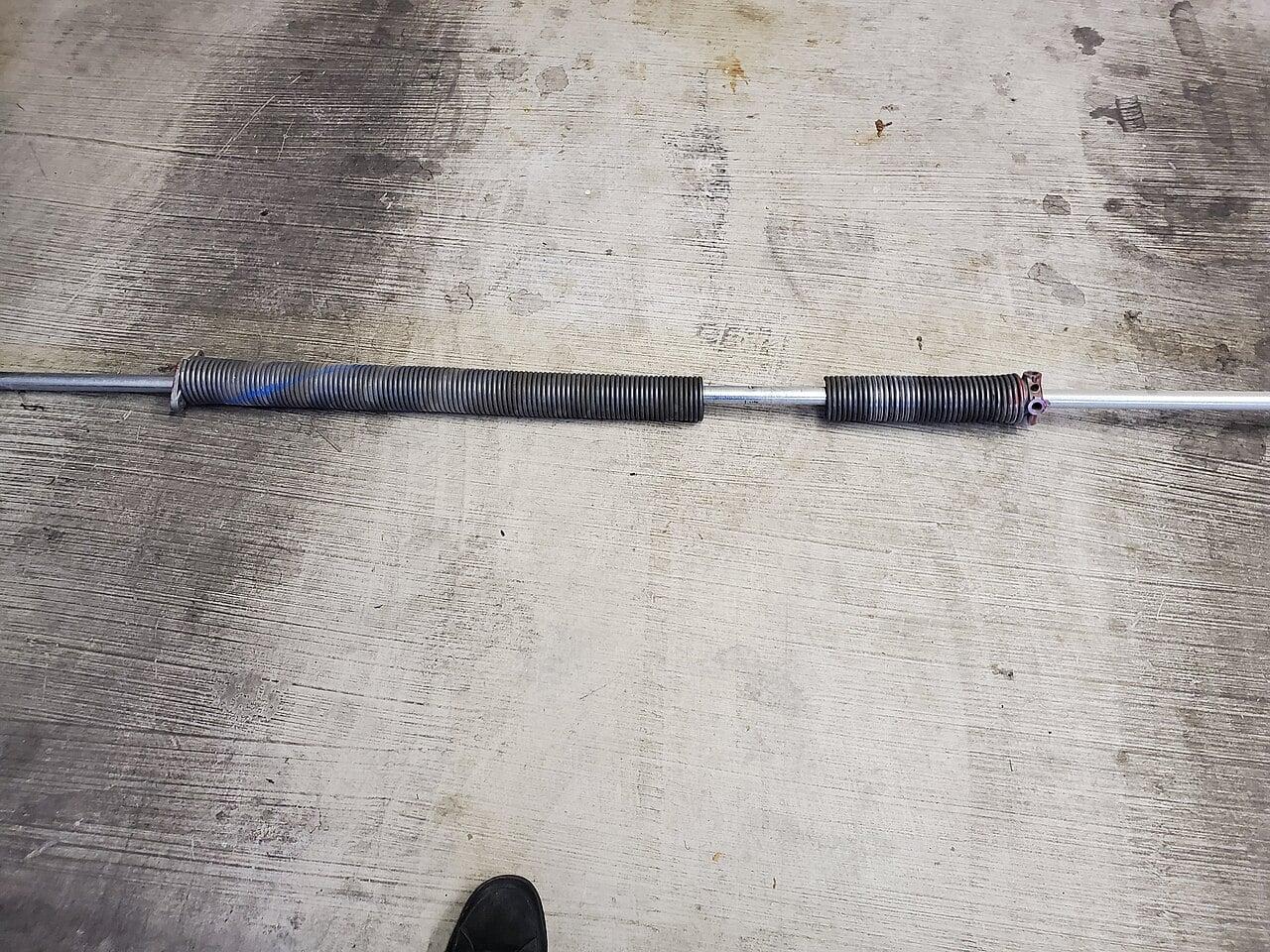
Bent tracks, seized rollers, and worn roller stems are among the most common commercial door problems we see. They cause noise, binding, and doors that open unevenly — and left unattended, they destroy cables, drums, and operators in short order. We handle track straightening, section replacement, and roller upgrades on commercial sectional and industrial steel doors across the Lower Mainland.
Track Problems on Commercial Doors
Commercial door tracks take abuse. Forklifts clip vertical sections. Delivery vehicles back into the door and shunt the track off its bracket. In loading dock environments, the constant impact vibration works track bolts loose until the track shifts inward and the door starts rubbing on the frame. We see all of these regularly — especially in older Richmond industrial buildings along Bridgeport Road and in Surrey’s Campbell Heights warehouses.
A bent track section can often be straightened in place if the damage is minor. A buckled or kinked section usually needs replacing. We assess on site and give you an honest answer about which approach makes sense for the door’s age and condition.
Roller Failure on Commercial Doors
Commercial doors use steel or nylon rollers with a stem that rides in the track. Standard commercial rollers have 7 or 10 ball bearings. Industrial-grade doors in high-cycle environments should be running 13-bearing rollers with hardened steel races. When rollers seize, they drag instead of roll — the track wears a flat spot, the door vibrates, and the strain transfers to the cables and operator. A seized bottom roller is usually the first failure point because it handles the most load.
Roller replacement on a full commercial door — 8 to 10 sections — typically takes under 90 minutes. We carry multiple roller grades on the truck and will specify the right bearing count for your door’s cycle rate.
Bottom Bracket Damage
The bottom bracket connects the bottom roller stem to the lift cable. It takes the combined weight of the door and the cable tension on every cycle. Impact from vehicles or forklifts bends bottom brackets in ways that immediately affect cable alignment. A bent bottom bracket will pull a cable off the drum within a few cycles. We replace rather than straighten bottom brackets because straightened steel work-hardens and cracks faster.
Signs Your Tracks or Rollers Need Service
- Loud grinding or squealing as the door opens — not just a squeak but a sustained noise
- Door shudders or jerks through part of its travel
- Track visibly bent, out of plumb, or pulled away from the wall
- Door catches in the same spot every time
- Rollers visible outside the track groove at the top of travel
- Gap between the door panel edge and the track — door racking in the opening
Frequently Asked Questions
Can a commercial garage door track be straightened or does it need replacing?
Minor bends in a vertical track section can usually be straightened in place using a track tool. A track with a sharp kink, a crease, or a section that has been punched inward by a vehicle strike typically needs replacing. We assess it on site — straightening takes 20 minutes, replacement takes longer but is the right call when the metal is compromised.
How long do commercial door rollers last?
Standard 10-bearing commercial rollers last roughly 50,000 cycles in normal use. On a busy loading dock running 50 cycles a day, that is less than three years. We recommend 13-bearing hardened steel rollers for any door that sees more than 20 open-close cycles per day.
Is it safe to run a commercial door with a bent track?
Running a door on a bent track stresses cables, rollers, and the bottom bracket on every cycle and will eventually pull the door off the track entirely. Take it out of service and call for an assessment.
Who repairs commercial garage door tracks near me in Vancouver?
We cover Greater Vancouver and the Lower Mainland. Same-day service is available for most commercial track and roller jobs. Call 604-206-5727.
Call us for commercial door service in Vancouver: 604‑206‑5727 — same-day response, 24/7 emergency, honest quotes before any work starts.
Commercial Roller and Track Failure
Rollers and tracks are the mechanical core of a sectional overhead door. The rollers ride in the vertical and horizontal track sections, guiding the door from the closed position through the 90-degree curve and along the ceiling. When rollers wear or tracks become misaligned, the door exhibits characteristic symptoms: grinding noise, jerky movement, doors that bind in specific positions, and eventually doors that jump the track and become inoperable.
Commercial nylon rollers — the industry standard for quiet operation and long service life — wear out through their bearings first. A worn bearing allows the roller to wobble in the track, which increases track wear and causes the characteristic grinding sound. We replace rollers with 3-inch commercial stem rollers with sealed ball bearings rated for 100,000 cycles — significantly more durable than the standard 2-inch stem rollers installed on most commercial doors.
Track damage in commercial environments is most commonly caused by vehicle impact. A forklift or delivery truck tapping the track — even at low speed — can push the track out of alignment without visibly deforming it. The door still operates, but under increased friction and with the rollers riding against the track edge rather than its centre. Left unaddressed, a kinked track causes roller and hinge failure in a fraction of the normal service life.
Track and Roller Services
- Full roller set replacement — 10 to 12 rollers per standard commercial door
- Track realignment — re-plumbing the vertical track and adjusting horizontal pitch
- Track section replacement — damaged sections cut and replaced in-place
- Bracket reinforcement — securing loose or pulled track mounting brackets
- Cable drum alignment — ensuring the drum aligns with the track at full travel
My commercial door makes a grinding noise but still works — can I keep using it?
A grinding noise indicates rollers or tracks are under abnormal stress. Operating a grinding door accelerates wear on both the rollers and the track surfaces and can lead to a sudden jam or track separation. We recommend service within a week of first hearing the noise. Call 604-206-5727 for a same-day inspection.