Strata Garage Door Maintenance Guide
Maintaining a strata parkade door requires a shift from reactive repairs to a scheduled lifecycle approach that accounts for high cycle counts. In Metro Vancouver, where moisture and salt are constant factors, a maintenance plan ensures that the building budget remains predictable while the security of the parkade is preserved.
Understanding the Strata Annual Door Cycle
A strata parkade door handles more traffic in a single month than a residential door sees in its entire lifespan. If you have a sixty-unit building where residents leave for work and return daily, that door is cycling at least one hundred and twenty times every twenty-four hours. This constant motion wears down steel components through fatigue, not just time. A proper strata garage door maintenance guide recognizes that these doors are heavy industrial machines operating in a residential environment. The annual cycle must be built around the reality that these doors do not have a “down time.” Unlike a warehouse that closes at night, a strata parkade must remain secure at 3:00 a.m. Regular inspections focus on the rollers, cables, and springs that bear the brunt of this high-volume usage. When these parts are ignored, the door eventually suffers a catastrophic failure that leaves the building vulnerable or traps vehicles inside.
Winter Challenges for Parkade Gates and Doors
The wet winter months in the Lower Mainland present specific technical hurdles for overhead door systems. Constant rain increases the humidity inside the parkade, which can lead to moisture buildup on the circuit boards of the commercial garage door maintenance contracts that govern access. Water also carries road salt from vehicle tires directly into the tracks and onto the bottom weather seals. This salt accelerates the corrosion of the bottom brackets and the fasteners that hold the rollers in place. If the bottom of the door is not kept clean and the seals are cracked, water ingress can damage the concrete floor over time. During this season, we focus heavily on the photo-eye sensors and loop detectors. These components are often obscured by road grime or triggered falsely by heavy spray, leading to doors that refuse to close or ghost-openings that compromise the security of the residents.
Spring Inspections and Hardware Fatigue
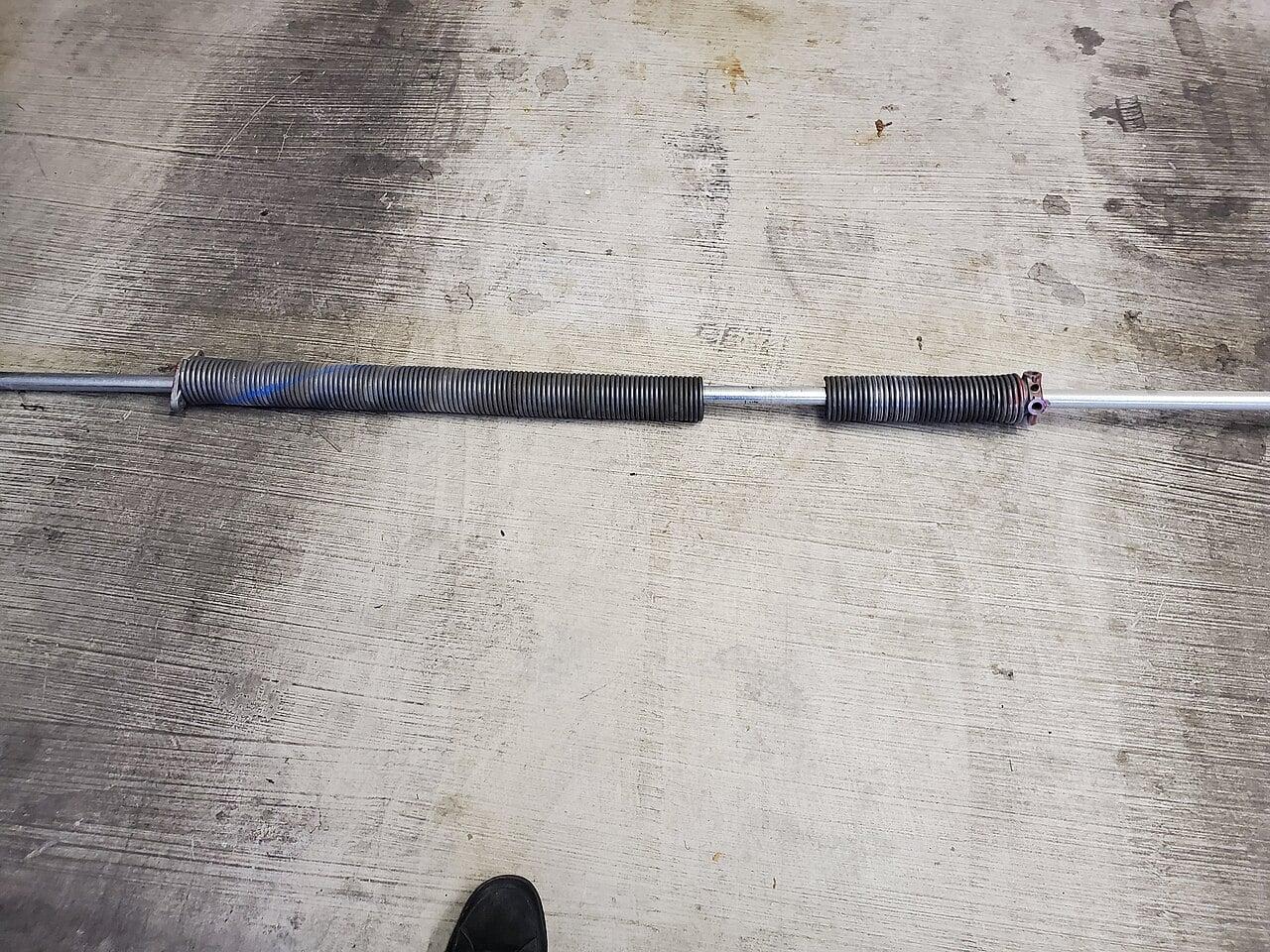
As the weather shifts in the spring, the focus of maintenance moves to the mechanical fatigue caused by the winter rush. Torsion springs are rated by cycle counts, and a busy winter often brings many springs to the end of their engineered life. A technician performing a spring check will look for gaps in the coils or signs of “setting,” where the spring no longer provides the necessary counterbalance. If the door feels heavy when put into manual mode, the motor is being forced to do work it was never designed for, which shortens the lifespan of the operator. This is also the time to check the parkade gate maintenance procedures & safety for any swinging or sliding gates in the complex. We look for hairline fractures in the welding and signs of wear in the heavy-duty hinges that support the weight of the gate.
Summer Projects and Major Equipment Overhauls
Summer is the window for invasive maintenance that requires the door to be out of service for several hours. Because there is more daylight and the weather is predictable, this is the time to perform full track alignments or replace entire sections of the door. If a door has been hit by a vehicle—a common occurrence in tight strata ramps—summer is the best time for a strata parkade door repair that involves structural work. Large-scale projects, such as upgrading a standard-lift track to a high-lift system to create more clearance for taller vehicles, are also scheduled now. This minimizes the impact on residents, as technicians can work more efficiently in dry conditions and there is less risk of rain damage to the parkade interior while the door is removed.
Fall Prep and Weatherproofing the Parkade
Before the first heavy rains of autumn, the priority is the building’s envelope. The weather stripping around the perimeter of the door and the bottom astragal seal are the primary defenses against wind and water. Over a year of high-speed cycles, these rubber and vinyl components can tear or flatten. When they fail, wind-driven rain is forced into the parkade, often pooling around the base of the tracks where it causes rust. During a fall inspection, we also verify the heating and ventilation interlocks. In many modern buildings, the garage door is tied into the HVAC system to ensure that the fans pull out exhaust fumes when the door is active. We check that these sensors are communicating correctly so that the building remains compliant with air quality standards during the colder months when residents are less likely to leave windows open.
Operating Budget versus Capital Reserve Funding
Strata councils must distinguish between routine maintenance and capital replacements to remain compliant with the Strata Property Act. Routine work—such as lubrication, sensor alignment, and minor part replacements like rollers or hinges—is typically paid for out of the operating budget. These are predictable, recurring expenses. However, a full replacement of the door panels or the installation of a new high-cycle motor is a capital expense that should be planned through the Contingency Reserve Fund (CRF). We recommend that councils look at their depreciation report to see how the parkade door is life-cycled. If the report suggests the door has a fifteen-year lifespan, the council should be setting aside funds annually so that the eventual replacement does not require a special levy. Clear documentation of maintenance history can also help in arguing for a longer lifespan in future depreciation reports.
Life-Cycling Parkade Gate and Door Assets
There comes a point where continuing to repair an old door is no longer fiscally responsible for the strata. We look at the “frequency of failure” as the primary indicator. If a technician is on-site once a month for the same aging operator or if the door sections are becoming delaminated and heavy, the cost of emergency call-outs will soon exceed the cost of a new door. Modern high-speed doors or insulated Amarr commercial models offer better reliability and lower long-term maintenance costs than the heavy, slow-moving wood or uninsulated steel doors of the past. When life-cycling an asset, we consider the availability of parts. If an operator brand is no longer supported and we have to custom-source components, the downtime for the building during a failure will be significantly longer. Replacing these assets before they fail completely is the hallmark of a well-managed building.
Governance and Emergency Spend Limits
Every strata has a spend limit, often defined in the bylaws, that allows the property manager or a council member to authorize repairs without a full council vote. This limit is vital for parkade doors because a failure at 11:00 p.m. is a security emergency. If a door is stuck open, the building is at risk for theft and trespassing. If it is stuck closed, residents cannot get to work or emergency vehicles cannot enter. Council members should ensure their property manager has the authority to dispatch a technician immediately in these cases. Our AI-assisted dispatch system helps in these scenarios by getting a technician to the site within thirty to sixty minutes, even in the middle of the night. You can find more detail on these workflows in our guide to strata building emergency protocols for garage failures.
Frequently Asked Questions
How often should our Vancouver strata schedule parkade door maintenance?
In high-traffic buildings, we recommend a quarterly inspection. The heavy usage in Metro Vancouver, combined with the humidity, means that lubrication and tension checks need to happen every three months to prevent the springs from snapping prematurely. For smaller buildings with fewer than twenty units, a semi-annual schedule is often sufficient, provided the door is in good mechanical condition and not showing signs of track misalignment.
Who is responsible for damage if a resident hits the parkade gate?
The resident who caused the damage is typically responsible for the repair costs through their own insurance or by paying the strata directly. However, the strata must usually pay for the initial strata parkade door repair to secure the building and then seek reimbursement. We often work with ICBC and other insurers to provide the necessary documentation and structural assessments required for these claims.
Why does our parkade door keep reversing for no reason?
The most common cause is a misalignment of the photo-eye sensors, which can be knocked out of place by a person or a cleaning crew. However, in strata environments, it is also often caused by “ghosting” in the safety loops buried in the concrete. If the concrete is shifting or if there is excessive moisture, the loop can trigger a false obstruction signal. A technician needs to test the loop’s frequency and sensitivity to solve this.
Can we just replace the motor without replacing the whole door?
Yes, as long as the door sections and tracks are in good structural condition. If the door is balanced properly and the hardware is not fatigued, a new LiftMaster Maxum or similar commercial operator can be installed to improve speed and reliability. However, if the door is excessively heavy or the tracks are rusted, a new motor will burn out quickly because it is fighting against the mechanical resistance of the door.
Communicating Maintenance Outages to Residents
One of the hardest parts of strata maintenance is the human element. Residents need at least one week of notice for scheduled maintenance that will take the door out of service. We recommend posting notices in elevators and on every floor’s entry point. The biggest risk during a maintenance window is a resident who, frustrated by the delay, attempts to prop the gate open or drive through while the door is being worked on. This is incredibly dangerous for the technician and can lead to expensive damage to the door’s tracking system. Clear communication about the duration of the outage and the reason for the work helps reduce these incidents. If the maintenance is expected to take more than four hours, some stratas choose to hire a security guard to monitor the open parkade entrance during the day.
Managing Safety and Security During Maintenance
When a technician is working on a 16-foot wide double door, they are dealing with massive amounts of stored energy in the springs. The work area must be cordoned off to prevent residents from walking or driving under a door that is being adjusted. We utilize high-visibility cones and tape, but it is also helpful if the strata can designate a specific time of day for the work that avoids the morning and evening rush. Safety also extends to the security of the building while the door is open. If the door must stay open for several hours, the technician will ensure that the site is never left unattended if the parkade is vulnerable. For larger commercial property management firms, we coordinate with on-site staff to ensure that any fobs or access controls are bypassed or updated as needed during the service call.
Documentation Requirements for Strata Councils
At the end of every maintenance visit, the strata should receive a detailed report that outlines what was checked and what was replaced. This documentation is essential for the Annual General Meeting (AGM) and for insurance purposes. If the building suffers a fire or a major security breach, the insurance company will often ask for proof that the parkade doors and fire shutters were maintained to professional standards. We keep digital logs of all service calls, which can be provided to the council to show a clear history of care. This data is also helpful for property managers when they are preparing the next year’s budget, as it allows them to see trends in repair costs and predict when a major asset replacement will be necessary.
Additional Questions
What should we do if an owner props the parkade gate open?
Propping a gate open is a major security risk and can damage the motor’s limits. Most modern commercial operators will attempt to close the door a certain number of times before timing out or throwing an error code. If a resident props the door, it can cause the motor to overheat or the cables to jump the drum. The strata should address this through bylaw enforcement, as it compromises the safety of all residents and increases maintenance costs.
Are high-speed doors worth the extra cost for a strata?
In many cases, yes. High-speed doors reduce the window of time for “tailgating,” where an unauthorized vehicle follows a resident into the parkade. They also experience less wear and tear on certain components because the cycle is completed quickly, though they require specialized technicians for maintenance. If your building has a high volume of traffic or a history of security issues, the investment in a high-speed system often pays for itself in reduced repair calls and better security.
How do we know if our springs are about to break?
A technician can often see signs of fatigue before a spring snaps. Look for “gapping” in the coils or a visible distortion in the shape of the spring. However, many springs break without any visual warning because the failure happens at the molecular level of the steel. This is why we track cycle counts; if a spring is rated for 50,000 cycles and the building is at 48,000, we recommend a proactive replacement to avoid an emergency call-out.
Why is our door louder than it used to be?
Noise is usually a sign of friction or vibration. Worn-out rollers with seized bearings will “skate” in the track rather than roll, creating a screeching sound. A rattling noise often indicates loose hinges or a mounting bracket that has worked its way loose from the wall. Regular lubrication with a specialized garage door silicone or lithium-based spray can quiet a door, but if the noise persists, it usually means a part is failing and needs to be replaced before it causes a larger issue.
A well-planned maintenance schedule is the only way to avoid the high costs and stress of emergency parkade door failures. By following a seasonal cycle and budgeting correctly for both operating and capital expenses, a strata council can ensure their building remains secure and functional.