The Claim Starts When the Dust Settles
The tow truck has left. The parkade gate is secured, either by a temporary weld, a wooden brace, or the manual chain hoist your team rigged at 3 a.m. The immediate safety hazard is gone. Now the real work begins: translating bent steel and twisted track into a claim package an adjuster can approve without coming back with questions. In a strata corporation, this translation has a specific audience — the insurance broker, the council president, and the owner whose deductible is on the line. Every photo, measurement, and line item on the quote serves that audience. We treat the site visit as evidence gathering, not just estimating. The difference shows up in how fast the cheque clears.
Vehicle Impact Damage Patterns We See Weekly
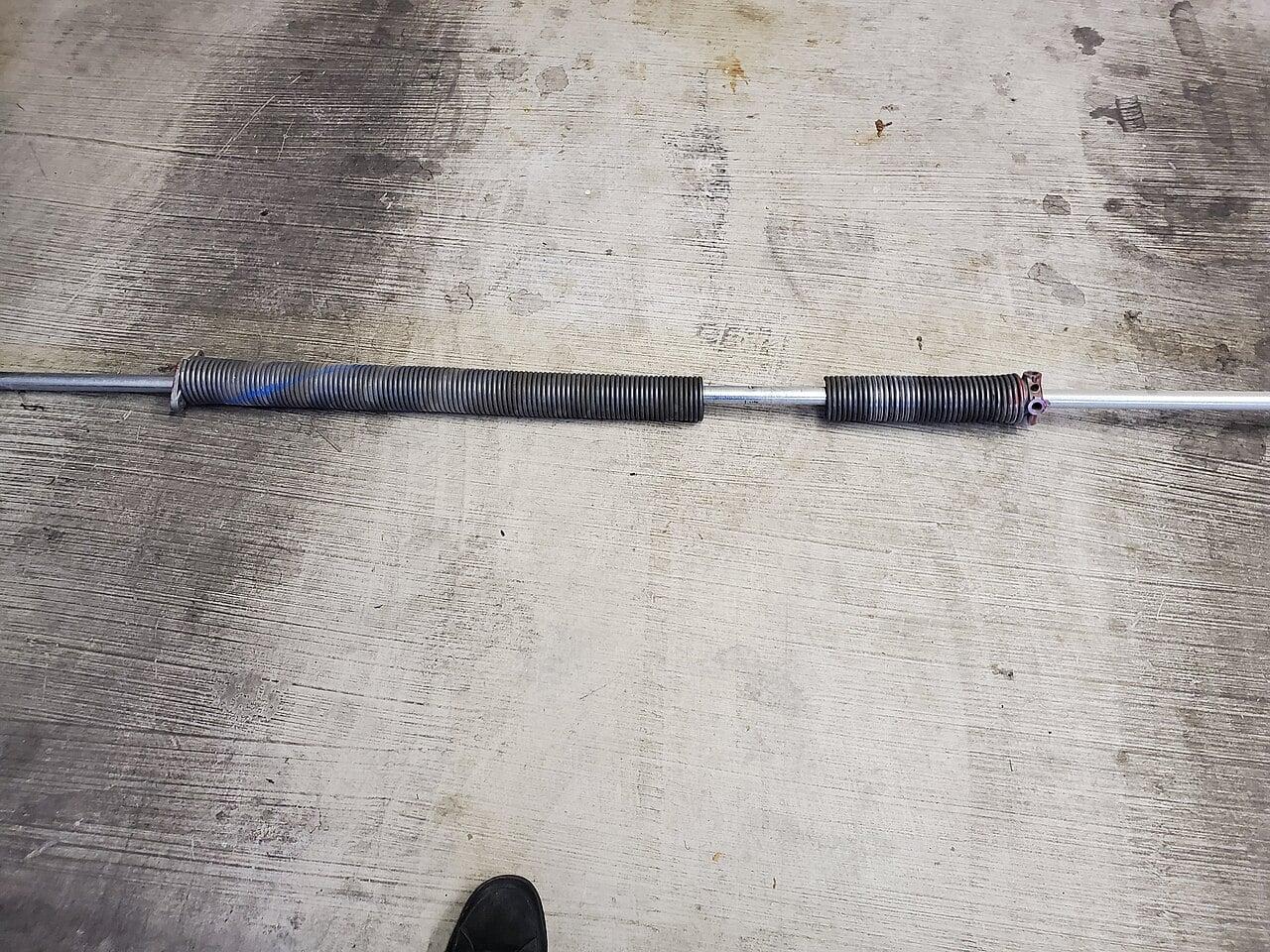
A delivery truck clips the bottom panel of a sectional overhead door. The panel folds. The rollers jump the track. The bottom bracket rips out of the jamb. That is the visible damage. The hidden damage sits in the header assembly — the torsion shaft bent from the shock load, the bearing plates cracked where they lag into the glulam or concrete, the spring anchor bracket pulling away from the wall. On rolling steel doors, the impact often travels up the curtain into the barrel assembly, bending the pipe or shearing the keyway. We document all of it. The adjuster needs to see the connection between the impact point and the structural consequence three feet higher. If the quote only lists “replace bottom panel and two rollers,” the supplement request comes two weeks later, and the strata pays the deductible twice while waiting.
Documenting for ICBC Versus Strata Master Policy
ICBC claims follow a motor vehicle accident report. The driver’s Third Party Liability coverage responds. The strata is a third-party claimant. The documentation standard is higher: we need the police file number, the driver’s licence and insurance details, the commercial vehicle inspection decal if it applies, and a clear narrative linking the vehicle to the specific door components. Strata master policy claims run through the property manager and the broker. A strata deductible on door and glass perils is typically substantial, which means the strata council votes on whether to claim or cash-flow the repair. Our quote package includes a “deductible comparison” page: repair cost versus deductible, with line items the council can read without a technical dictionary. We separate labour, parts, freight, and disposal so the broker sees exactly where the money goes.
Separating Repairable Damage From Structural Write-Off
A bent 24-gauge panel on a 16-foot-wide Amarr 2742 door: repairable if the skin is creased but the stiles are straight. A bent 20-gauge panel with cracked stile ends: replace. A torsion shaft with a 3-millimetre runout over 12 feet: straighten in the lathe. A shaft with a 6-millimetre kink at the bearing: replace. Bearing plates lagged into glulam with split wood: the plate comes off, the wood gets epoxy-repaired or sistered, the plate goes back with through-bolts. If the concrete jamb is spalled where the track bolts anchor, that is a concrete repair before the door goes back up. We mark each item “R” or “R/R” on the field sketch — repair or remove-and-replace. The adjuster sees the logic. The strata sees the cost difference. No grey area.
Quoting So the Adjuster Approves Line by Line
A single line reading “supply and install one 16’2″ x 14’0″ sectional door” gets rejected. “Remove damaged bottom section, panel 1 of 4, Amarr 2742, 24-gauge stucco texture, colour Desert Tan. Remove and replace two 10-ball nylon rollers. Straighten torsion shaft, verify runout under 0.005″. Remove and reinstall bearing plates with 1/2″ x 6″ wedge anchors into concrete. Freight, disposal, PST. Two technicians, 6 hours.” That quote gets approved. We use manufacturer part numbers. We reference the door’s original work order if we have it in our system. We note code upgrades — photo-eye height, entrapment protection, fall-protection devices — as separate lines so the adjuster can apply betterment logic if the policy requires it. The strata council sees the same document. No translation layer needed.
The Deductible Conversation With Council
The property manager emails: “Council wants to know if we should claim or pay out of pocket.” We send the itemized quote. When the repair comes in under the deductible the answer is obvious — pay it, keep the claims history clean. But if the repair is the council claims. We explain the hidden costs: the supplement risk if the header repair opens up, the freight surcharge if the panel ships from Calgary, the overtime rate if the parkade must be secured by Friday for weekend resident access. We put those risks in writing. The council votes with eyes open. Sometimes the decision hinges on the depreciation schedule — the door is 18 years old, the policy pays actual cash value, the recoverable depreciation only releases after the invoice is paid. We walk the property manager through the cash flow so the strata doesn’t front money it doesn’t have.
Coordinating With the Adjuster’s Site Visit
The adjuster books a Tuesday at 10 a.m. We are there at 9:45 with the door in its as-found position — braced, tracked, or partially dismantled. We walk them through the field sketch. We show the shaft runout on a dial indicator. We tap the concrete anchors with a hammer; the hollow sound tells the story. We hand them a printed quote package and a USB with 40 photos: wide shots, close-ups, serial tags, spring tags, operator model plates. The adjuster leaves with a complete file. They rarely call back. When they do, it is to confirm a freight charge or a paint code. The claim moves to “approved” status in days, not weeks. That speed matters when the parkade gate is the only entry for 120 units.
Scheduling the Repair Around Building Operations
The claim is approved. The panel ships in 10 business days. The strata needs the parkade secure every night. We schedule the teardown for the day the parts arrive. Morning: remove the damaged sections, install the new panel, re-hang the door, balance the springs, test the operator, verify the photo-eyes and safety edge. Afternoon: cleanup, lubrication, cycle test 20 times, handover to the property manager with a signed work order and warranty certificate. If the header repair needs concrete cure time, we install a temporary steel header channel so the door operates overnight. We do not leave a building unsecured. The strata’s insurance certificate requires “reasonable steps to mitigate further loss.” A braced door that operates is reasonable. A hole in the wall is not.
Frequently Asked Questions
Who pays the deductible when a resident’s guest hits the parkade door?
The strata corporation pays the master policy deductible. The council may recover it from the unit owner through the bylaws if the bylaws assign deductible responsibility for damage originating from a resident or their guest. The insurance claim itself is filed by the strata; the adjuster deals with the strata, not the individual owner.
Can we claim the operator replacement if only the door panels were hit?
Only if the impact transferred enough force to damage the operator — bent output shaft, cracked gearbox housing, sheared drive sprocket. We test the operator under load and document the findings. If the operator checks out, it stays. If the adjuster tries to bundle a new operator as “betterment,” we push back with the test data.
What if the damaged door model is discontinued?
We source the closest current equivalent — same gauge, same insulation, same wind load rating, same hardware pattern. The quote lists the substitute model and the reason. The adjuster approves the substitute as “like kind and quality.” The strata gets a door that meets current code, not a 20-year-old design.