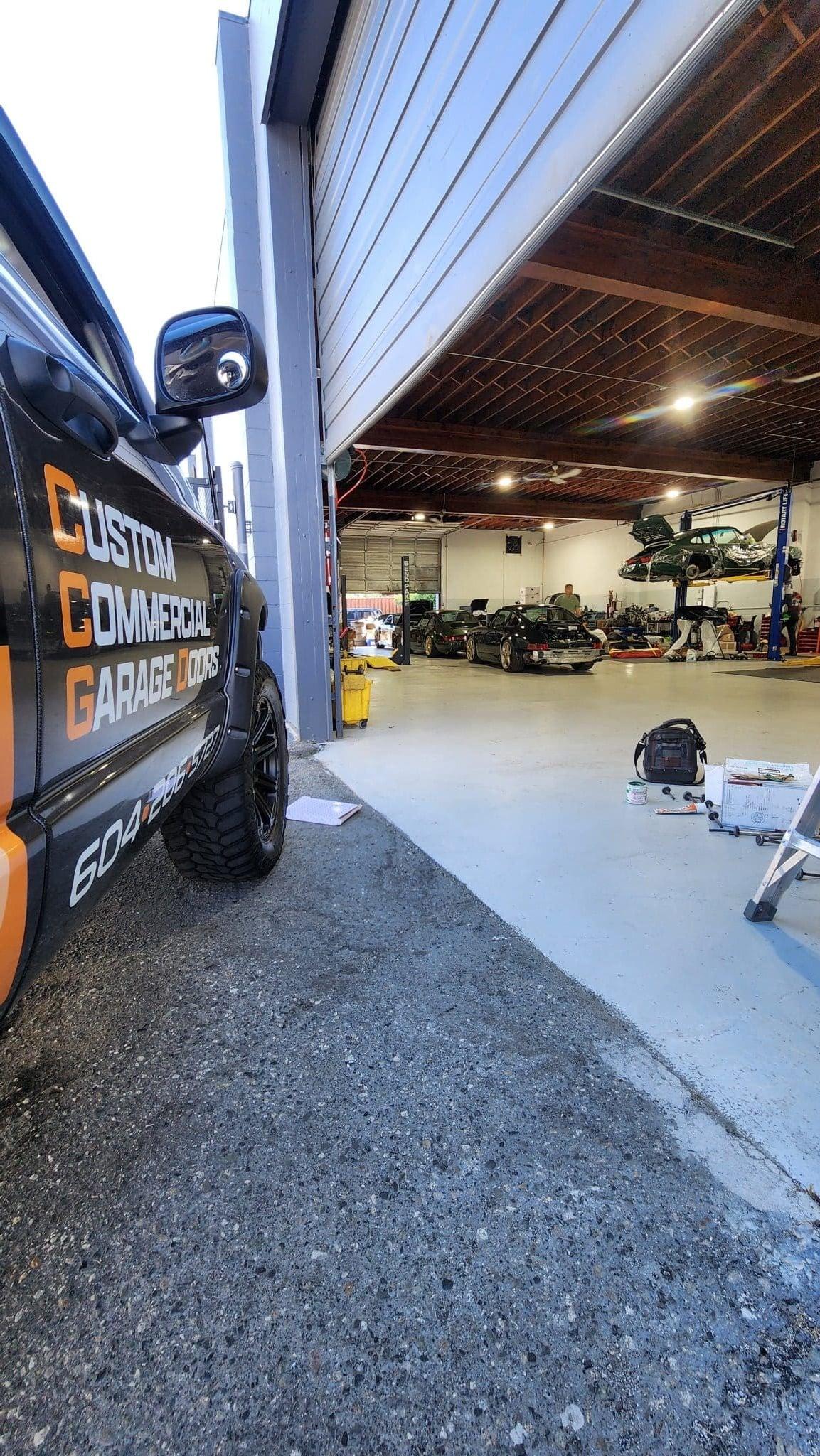
When a property manager calls CCGDS at (604) 206-5727, the call lands with a dispatcher who knows the difference between a sectional door on a loading dock and a rolling steel grille on a parkade entrance. We do not route through a generic call centre. The dispatcher logs the building address, the specific door ID if you have one, the symptom described, and the urgency level. That information goes straight to the technician assigned to your zone — Richmond, Vancouver, Burnaby, Surrey, Delta, North Vancouver, West Vancouver, New Westminster, Coquitlam, or Langley. The technician receives the work order on a mobile device with the site history attached: past repairs, parts replaced, and any open safety deficiencies. This is not a ticket number floating in a queue. It is a job brief built on prior visits to that same door.
Dispatch Logic and Zone Coverage
Our trucks run defined routes across the Lower Mainland. A call from a Richmond industrial park at 07:00 gets a technician who just finished a PM in Steveston. A 22:00 emergency at a Burnaby high-rise parkade pulls the on-call tech from New Westminster. We do not promise a fixed arrival window because traffic on the Knight Street Bridge or the Alex Fraser dictates reality. We do promise the dispatcher will give you the technician’s name, cell number, and real-time ETA once the truck is rolling. If the site has multiple buildings — say a strata complex with three parkades — the work order specifies which building, which level, and which bay. That precision prevents the tech from walking the wrong parkade while the overhead door cycles open and closed unattended.
After-Hours and Weekend Response
The 24-hour emergency line rings a live person, not voicemail. After 17:00 and on weekends, the on-call technician carries the phone. Calls are triaged: a door stuck open on a fire-rated separation wall at a Surrey warehouse gets immediate dispatch. A noisy operator on a low-traffic storage door in Langley gets scheduled for the next business day unless the strata authorizes overtime rates. The dispatcher confirms the billing authority before rolling a truck after hours. We have seen property managers approve an emergency call-out for a door that could wait until morning; we have also seen them decline, only to have the same door fail during a move-in weekend. The decision is yours. We provide the facts: symptom, safety risk, parts availability, and cost tier.
Access Coordination with Tenants and On-Site Staff
Commercial buildings run on schedules. A loading dock door at a Delta distribution centre cannot be taken offline while a trailer is docked. A parkade grille at a Coquitlam residential tower cannot be worked on during peak exit without blocking fire egress. The dispatcher asks for the on-site contact — superintendent, concierge, or tenant rep — and their direct number. The technician calls thirty minutes before arrival. If the door serves a secured area, the tech needs a fob, key, or escort. We do not prop fire doors. We do not bypass access control. If the site contact is unreachable, the tech waits on site for a reasonable window, then logs a “no access” visit and the property manager receives a report with photos of the locked gate or missing keyholder. That documentation protects both parties when the strata asks why the door was not fixed.
What the Technician Needs on Arrival
The work order lists the door manufacturer — Amarr, Raynor, LiftMaster Maxum, Manaras, Hörmann — and the operator model if known. The tech brings the common wear parts for that brand: torsion springs, cables, rollers, photo-eyes, limit switches, circuit boards. For a Hörmann industrial sectional, that means metric hardware and proprietary spring cones. For a Manaras operator, it means the correct logic board revision. If the door ID plate is painted over or missing, the tech measures spring wire diameter, inside diameter, and length; counts coils; checks track radius. That takes fifteen minutes. The property manager can shorten it by having the maintenance log or the original submittal package ready. The tech also needs clear space in front of the door — no pallets, no parked cars, no storage racks. A blocked approach adds billable time and delays the next call.
Safety Verification Before Work Begins
Every service call starts with a visual inspection of the door system and its safety devices. The tech checks photo-eye alignment, reversing edge function, and operator force limits. On fire-rated doors, the tech verifies the fusible link is intact and the drop test date is current. If a safety device is defeated — taped photo-eyes, disconnected edge sensor — the tech documents it with photos and refuses to return the door to automatic operation until the device is restored. This is not a negotiation. WorkSafeBC and the local fire department hold the building owner liable. The tech notes the deficiency on the work order and emails the property manager before leaving site. If the repair is authorized on the spot, the tech installs the replacement device. If not, the door is left in manual-only mode with signage.
Repair Execution and Parts Traceability
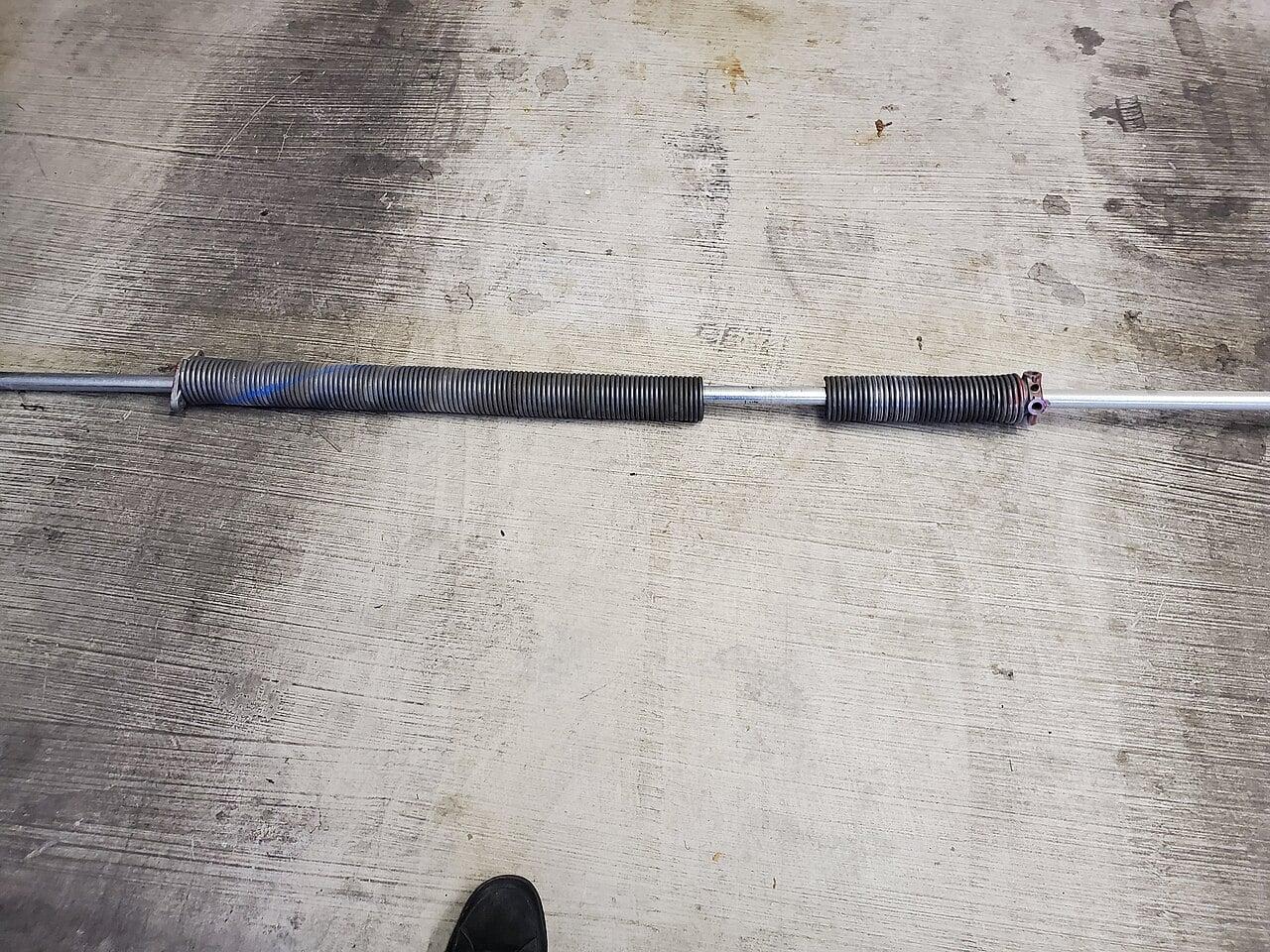
When a part is replaced, the old part stays on site unless the property manager requests disposal. The new part carries a manufacturer lot code. The tech records that code on the work order. For springs, the tech measures and records the relaxed length, wire size, and inside diameter. For operators, the tech logs the firmware version and dip-switch settings. This traceability matters when a warranty claim arises six months later or when the next tech needs to know what was installed. We do not use generic “universal” parts on branded systems. A Raynor door gets Raynor springs. A LiftMaster Maxum operator gets a LiftMaster logic board. Substituting off-brand components voids the manufacturer warranty and changes the door’s balance characteristics.
Documentation Returned After the Visit
Within four hours of job completion, the property manager receives a digital service report. It includes: building address, door identifier, date and time on site, technician name, symptom reported, findings, parts replaced with part numbers, labour hours, safety deficiencies noted, photos of the repaired components, and a recommendation line — “return to service,” “monitor,” or “replace door system.” The report is a PDF formatted for strata files and insurance audits. If the call was after-hours, the report flags the overtime rate tier. If a follow-up quote is needed — for a full spring conversion, operator replacement, or fire-door drop test — the quote is attached as a separate document with a validity date. No handwritten scribbles. No verbal summaries. The paper trail is complete before the invoice lands.
Billing and Authorization Workflow
Standard-hours calls are billed at the posted shop rate plus parts. After-hours calls carry a call-out premium and overtime labour. The dispatcher confirms the rate tier when the call is logged. For strata properties, the property manager typically provides a purchase order number or emails authorization before dispatch. For standalone commercial buildings, the building owner or authorized signatory approves. If the repair exceeds the authorized amount — discovered only after teardown — the tech calls for approval before proceeding. The work order reflects the approved scope. Invoices reference the work order number, the service report number, and the PO. Payment terms are net 30 unless a contract specifies otherwise. We do not surprise bill.
Frequently Asked Questions
What information should I have ready when I call for a service visit?
The building address, the specific door location (loading dock bay 3, parkade level P2, unit 104), the symptom (won’t close, grinding noise, reversed mid-cycle), the on-site contact name and cell number, and your purchase order or authorization reference.
Can the technician enter a secured parkade or tenant space without an escort?
Only if a fob, key, or access code is provided in advance. The dispatcher will ask for this at call intake. Without it, the tech waits for the on-site contact and bills wait time after fifteen minutes.
How quickly will I receive the service report after the technician leaves?
Within four hours during business days. After-hours and weekend visits are reported by 10:00 the next business morning. The report is emailed to the address on file and uploaded to the client portal if your portfolio uses one.