A crooked bottom bracket on a commercial overhead door means the door panel is no longer hanging square in the opening, causing one side to drag or bind during operation. This misalignment typically stems from impact damage, loose fasteners, or frame settlement, and it accelerates wear on rollers, hinges, and the door seal. Ignoring it leads to increased motor strain, premature component failure, and potential safety hazards if the door binds severely enough to jump the track.
Common Causes of Bottom Bracket Misalignment
Impact from forklifts, pallet jacks, or vehicles is the most frequent cause, especially in high-traffic loading docks. A direct hit can bend the vertical track, shift the jamb bracket, or deform the bottom bracket itself. Over time, vibration from regular operation loosens the lag bolts or anchor bolts securing the bracket to the concrete or steel jamb. In older buildings, gradual settlement of the foundation or wall framing can also pull the track out of plumb, forcing the door to hang at an angle.
What the Problem Looks and Sounds Like
Visually, the door will appear uneven at the floor—one side may have a larger gap under the seal or rub against the concrete. During operation, you might hear scraping, grinding, or a rhythmic thumping as the roller on the affected side binds in the track. The door may move slower on one side, stall mid-cycle, or trigger the safety reverse mechanism if equipped. On sectional doors, the misalignment often causes the bottom section to shift laterally, stressing the intermediate hinges and end stiles.
Safe DIY Checks Before Calling a Technician
Start by disconnecting the opener and manually operating the door. Watch for binding at the bottom and check if the door hangs square when stopped mid-travel. Use a level on the vertical track to confirm it’s plumb—any deviation over 1/4 inch in 10 feet warrants inspection. Examine the bottom bracket for visible damage, cracks, or elongated bolt holes. Tighten any loose lag bolts with a wrench, but do not over-torque, as this can strip the concrete anchor or split the jamb. If the track is bent or the bracket is deformed, do not attempt to straighten it yourself—this requires proper tools and anchoring to avoid worsening the misalignment or creating a pinch point.
When the Issue Requires Professional Service
If the vertical track is twisted, the bracket is cracked, or the door continues to bind after tightening fasteners, the repair involves realigning or replacing structural components. This often means loosening multiple track brackets, shimming the jamb, and re-anchoring the track to restore plumb—all while supporting the door’s weight. Technicians use track jacks and laser levels to ensure the door hangs square within manufacturer tolerances. Attempting to force a bent track back into place without relieving tension can cause sudden failure, especially if the door is under torsion spring load.
Why Torsion Springs Make This a Hazardous Repair
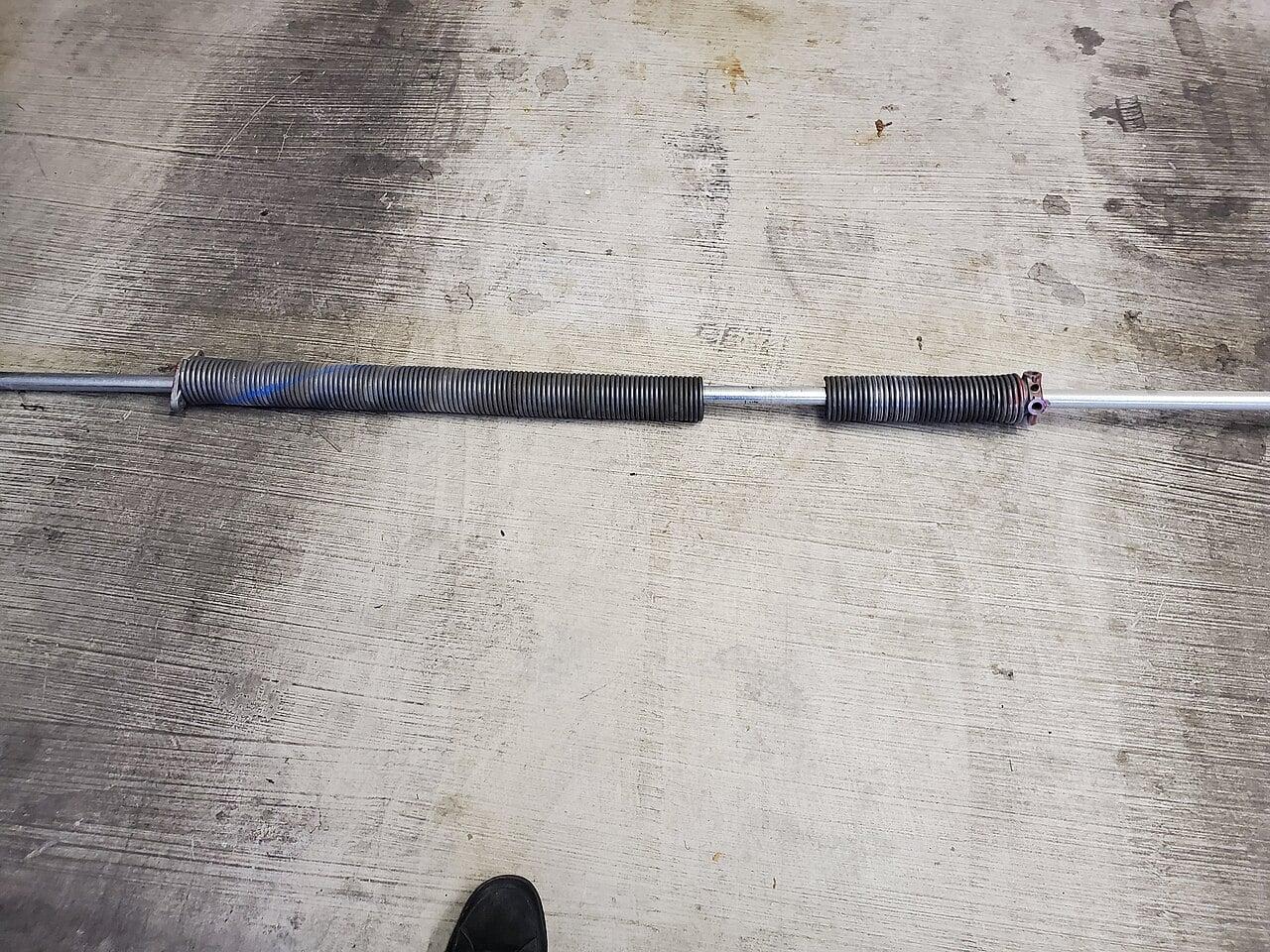
The bottom bracket on a sectional door is directly connected to the lift cables, which run up to the bottom brackets and are under constant tension from the torsion springs. Even with the opener disconnected, the springs store enough energy to cause severe injury if a cable slips or a bracket fails during adjustment. Never loosen the bottom bracket bolts or attempt to remove the cable while the door is in position—any release of spring tension must be done by unwinding the springs first using proper winding bars. This step is not a DIY task and requires specific training and tools.
Preventive Measures to Reduce Recurrence
Install impact-resistant brackets or bollards in high-risk zones to absorb forklift blows. Use grade 8 or stainless steel lag bolts with washers when re-anchoring brackets, and inspect fastener torque quarterly as part of preventive maintenance. Check track alignment during seasonal door service—look for uneven roller wear or debris buildup that can indicate developing misalignment. Address minor shifts early; correcting a 1/8-inch tilt is far easier than repairing a door that has jumped the track after months of dragging.
Frequently Asked Questions
### Can a crooked bottom bracket cause the door to come off the track?
Yes. If the bracket shifts enough, the roller can climb out of the track groove, especially during rapid closing or if the door hits an obstruction. This jams the door and creates a sudden drop hazard if the cables are not intact.
Is it safe to lubricate the rollers and hinges to reduce the noise?
Lubrication may quiet scraping temporarily, but it does not fix the underlying misalignment and can attract dust that worsens wear. Address the root cause first—lubricate only after the door hangs square and moves freely.
How do I know if the problem is the bracket or the track itself?
If the bracket is tight to the jamb but the door still binds, check the track for bends or twists. A straight bracket in a bent track will cause the same symptoms. Use a straightedge along the track’s inner face to detect deviations.
CCGDS (604) 206-5727