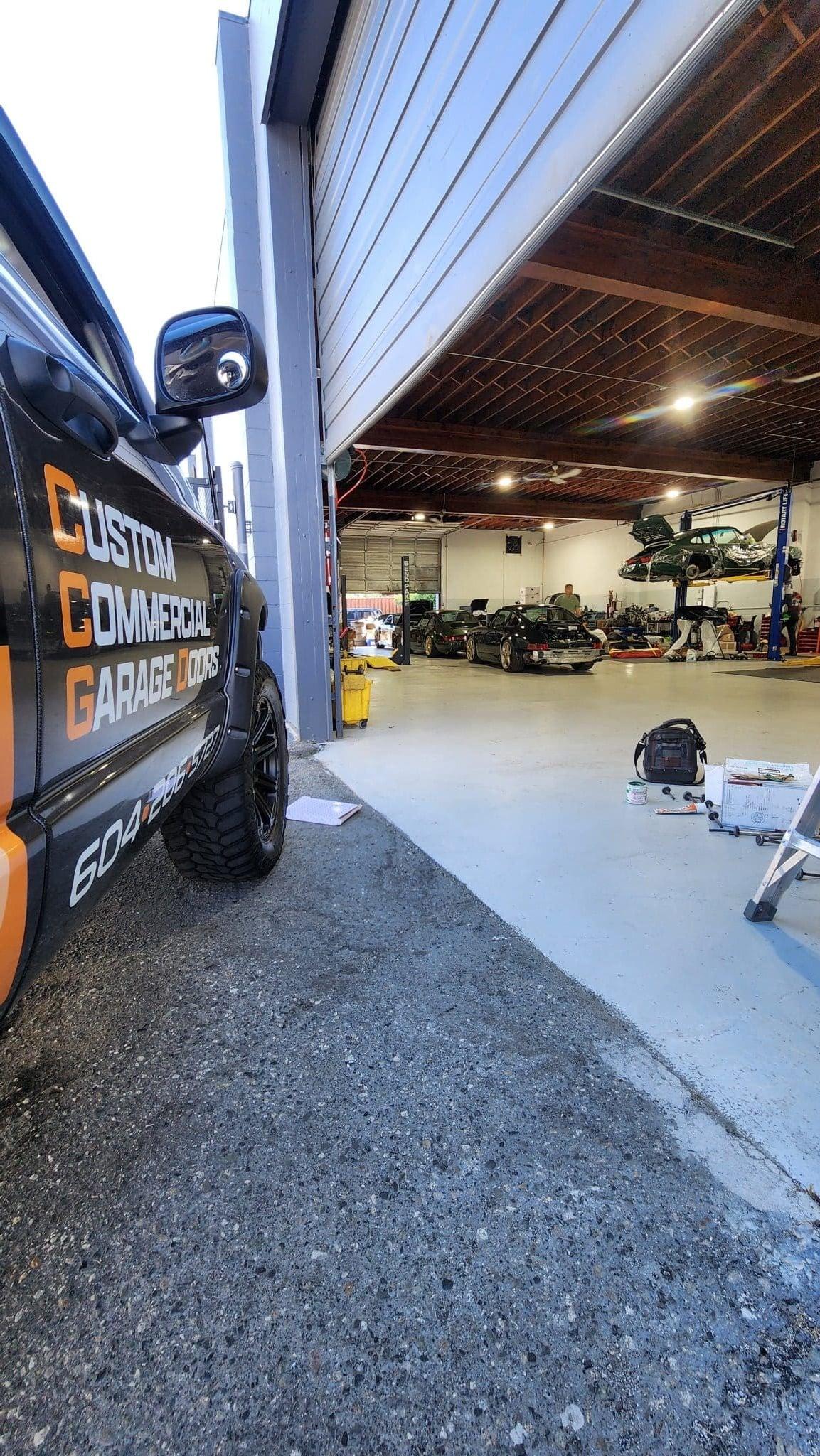
Heavy rain exposes weaknesses in commercial overhead door systems that remain hidden during dry weather. The bottom bracket, which anchors the door to the floor and transfers load from the cables to the jamb, is particularly vulnerable because it sits at the lowest point where water pools and debris accumulates. Prolonged moisture leads to rust on steel brackets, swelling in wooden jambs, and degradation of rubber seals, all of which alter alignment and increase friction. You’ll notice the door hesitating at the bottom, scraping unevenly, or making a grinding noise when closing—symptoms that worsen after storms and don’t improve with lubrication alone.
Corrosion and Rust Formation on Steel Brackets
Steel bottom brackets are prone to rust when exposed to standing water and road salts carried by rain runoff. Rust doesn’t just weaken the metal; it creates rough surfaces that snag the lifting cables, causing fraying or sudden failure. Over time, the bracket holes elongate as rusted metal flakes away, allowing the bracket to shift sideways under load. This misalignment forces the door to bind in the tracks, especially during the final inches of closure. Inspect the bracket after heavy rain: look for orange-brown flaking, pitting, or water stains. If the metal feels rough or flakes when scratched with a screwdriver, corrosion is advancing.
Wood Jamb Swelling and Rot
In facilities with wooden jambs, prolonged moisture absorption causes the wood to swell and eventually rot. A swollen jamb pushes the bottom bracket out of plane, twisting it relative to the door panel. This introduces binding forces that weren’t present when the wood was dry. You might see the door gap unevenly at the bottom—wider on one side—or notice the bracket pulling away from the jamb surface. Probe the wood near the bracket with an awl; if it sinks in easily or feels spongy, rot is present. Once wood loses structural integrity, re-securing the bracket won’t hold; the jamb itself needs repair or replacement.
Seal Degradation and Water Intrusion
The rubber astragal seal at the door’s bottom edge traps water against the bracket and jamb during rain. Over time, UV exposure and temperature cycles crack the seal, reducing its ability to shed water. A compromised seal allows moisture to wick upward into the bracket assembly and jamb, accelerating corrosion and rot. You’ll see water stains climbing the jamb or feel dampness behind the seal after a storm. Replace cracked or hardened seals promptly—they’re inexpensive and prevent far costlier damage to the bracket and surrounding structure.
Cable Wear and Bracket Hole Elongation
As rust roughens the bracket’s cable holes, the lifting cables begin to wear unevenly. You might notice broken strands near the bracket or hear a ticking sound as damaged cable links roll over rough edges. Elongated holes allow the bracket to tilt, changing the cable’s angle and increasing side load on the rollers. This accelerates wear throughout the system. Check cable condition by visually inspecting the area where the cable passes through the bracket—look for rust transfer, fraying, or asymmetry between left and right sides. Any sign of cable damage requires immediate attention due to the high tension involved.
When DIY Checks Are Safe and When They’re Not
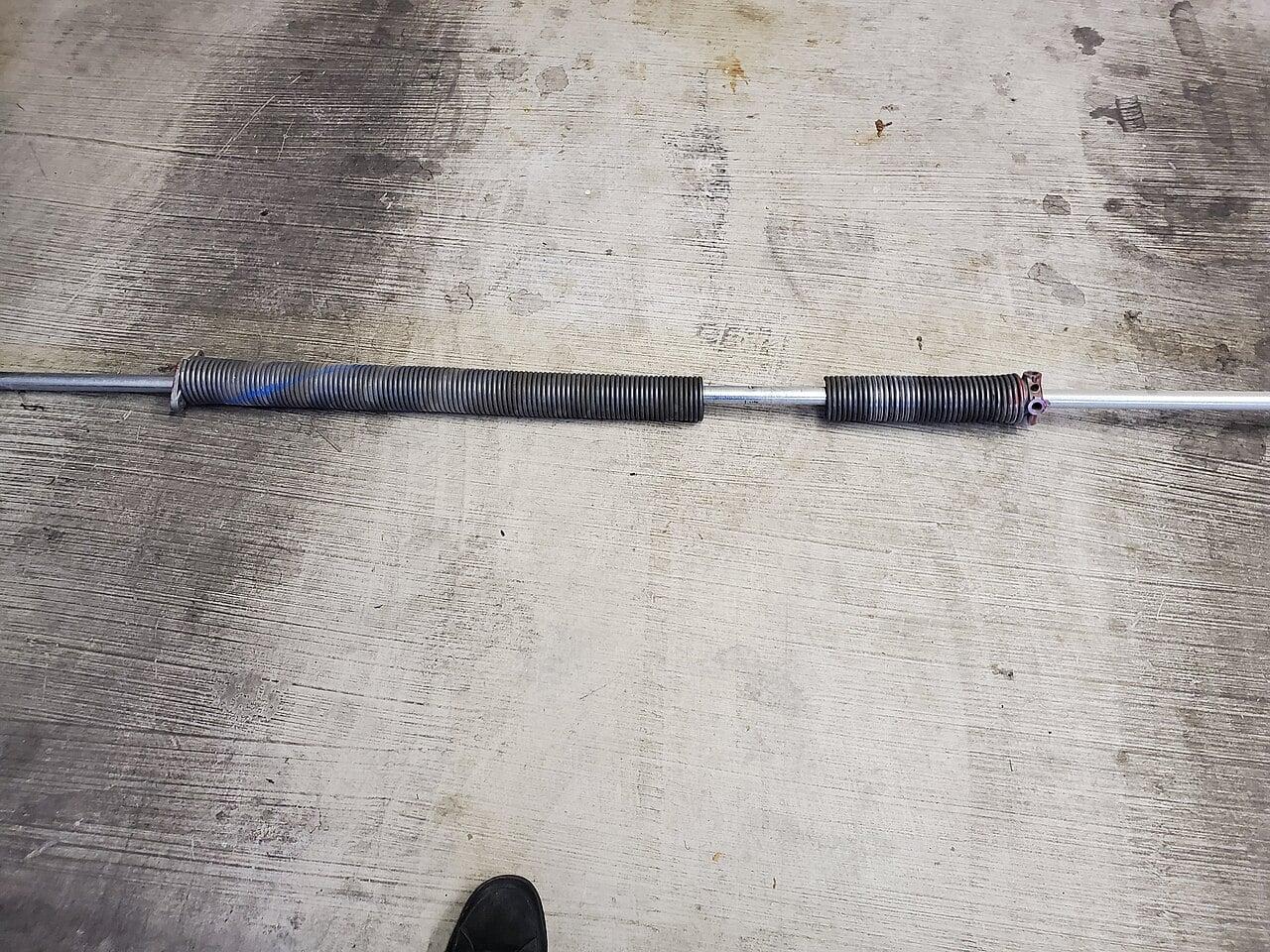
You can safely inspect the bracket for rust, check seal condition, and probe wooden jambs for softness using basic tools. Cleaning debris from the track and lubricating rollers and hinges (avoiding the bracket itself) is also appropriate DIY maintenance. However, do not attempt to loosen, tighten, or remove the bottom bracket bolts if the door is under tension. The cables are under significant stored energy—releasing them without proper tools and training can cause the bracket to snap loose violently, risking severe injury or death. Torsion spring systems, in particular, store lethal energy and must only be serviced by qualified technicians.
Frequently Asked Questions
### Can I paint or coat the bottom bracket to prevent rust?
Painting or coating a steel bracket offers temporary protection but is not a long-term solution in high-moisture environments. Coatings chip and crack under constant flexing and exposure to abrasives, trapping moisture underneath and accelerating hidden corrosion. Regular inspection and timely replacement are more reliable than surface treatments.
How often should I inspect the bottom bracket in a rainy climate?
In Metro Vancouver’s wet seasons, inspect the bottom bracket and surrounding components at least twice a year—once before the heavy rains begin in fall and once after they subside in spring. Facilities with poor drainage or frequent standing water may need quarterly checks.
What does a failing bottom bracket sound like?
A failing bracket often produces a grinding or scraping noise as the door closes, particularly in the last 6 to 12 inches of travel. You might also hear intermittent ticking or clicking from worn cable strands catching on rough bracket edges. These sounds typically worsen after rain and don’t resolve with lubrication.