Salt-laden air from the Pacific Ocean deposits microscopic chlorides on exposed metal surfaces. Over time, these chlorides break down protective coatings and initiate electrochemical corrosion, particularly in crevices and stress points like the bottom bracket assembly of a commercial overhead door. This corrosion weakens the steel, leading to cracks, seized components, and eventual failure if not addressed. For property managers and facility leads in Metro Vancouver, understanding this process is key to preventing operational downtime and safety hazards.
Corrosion Mechanism in Marine Environments
The bottom bracket bears the door’s weight and transfers it to the track and jamb. It consists of steel plates, bolts, bushings, and often a steel shaft or roller axle. Salt air doesn’t just sit on the surface—it attracts moisture, forming an electrolyte that enables galvanic corrosion. When dissimilar metals (like a steel bolt in an aluminum bushing) are present, the process accelerates. Protective paint or zinc plating degrades first, exposing bare steel. Once chlorides penetrate, rust forms in microscopic pits that grow under the surface, unseen until structural integrity is compromised.
Visual and Audible Signs of Failure
Early corrosion appears as white, flaky deposits (zinc oxide) or orange-brown rust streaks near bolt heads and welds. As it progresses, the bracket may show pitting, flaking metal, or visible cracks radiating from stress points. Operationally, you might hear grinding or squeaking during door movement—indicating seized bushings or misaligned rollers. The door may hang unevenly, bind in the track, or require more force to operate. In advanced cases, the bracket can fracture suddenly, dropping the door section.
What You Can Safely Inspect Yourself
Facility staff can perform visual checks during routine maintenance. Look for rust accumulation, especially under the bracket where water pools. Check bolt tightness—loose fasteners accelerate wear by allowing movement that wears holes into elongated slots. Spin the rollers by hand; they should turn freely without gritty resistance. Use a flashlight to inspect the shaft and bushing interface for seizing or metal debris. Never disassemble the bracket or attempt to remove components under load—this risks sudden door movement.
When Corrosion Requires Professional Intervention
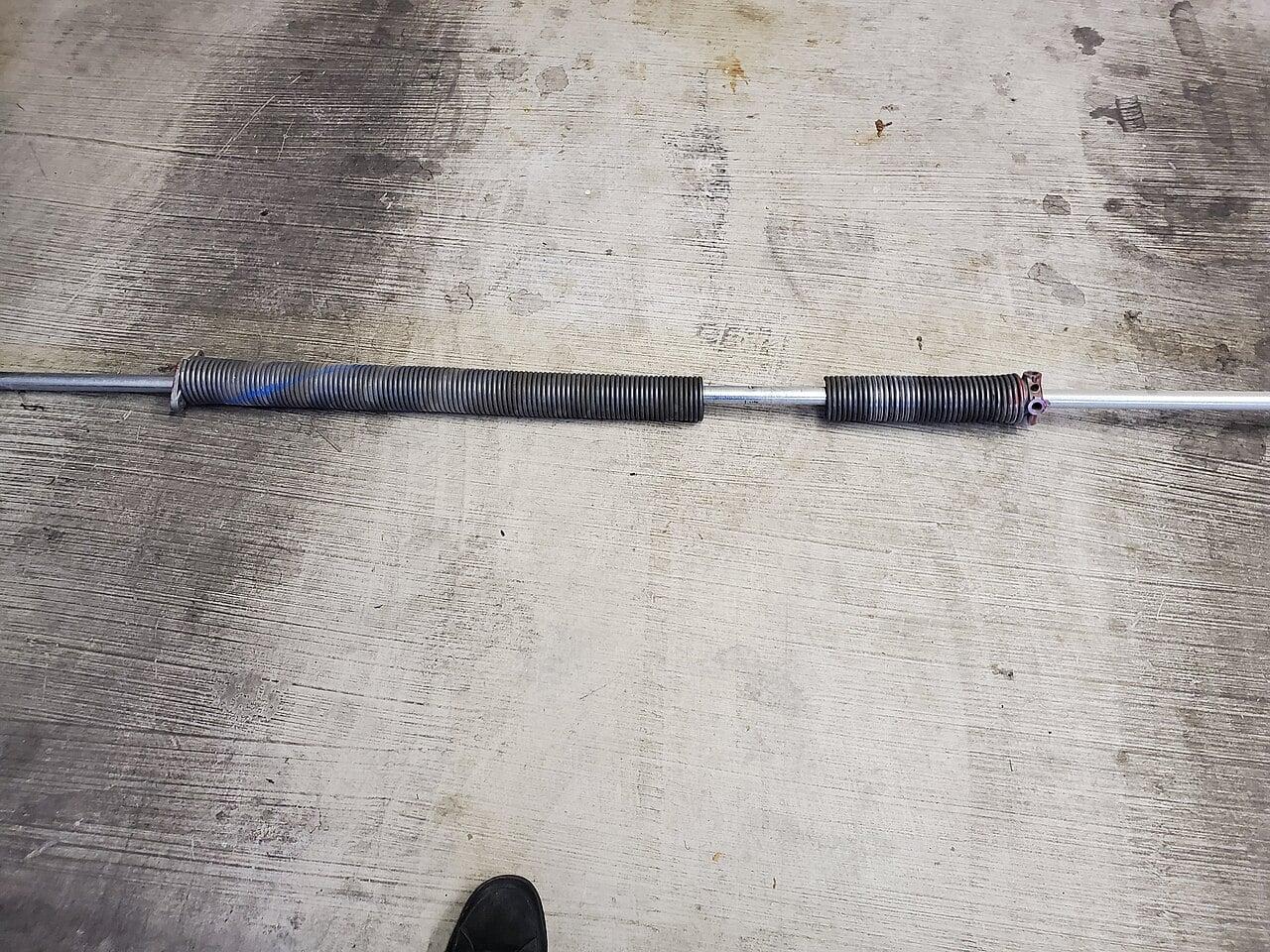
If rust has penetrated the metal, caused elongation of bolt holes, or created visible cracks, the bracket must be replaced. This involves releasing door tension, which on sectional doors is managed by torsion springs or extension springs. Torsion springs store lethal energy—improper release can cause serious injury or death. Even extension springs, while less energetic, can snap unpredictably. Only trained technicians should handle spring systems. Replacing a bracket also requires realigning the door, checking track integrity, and verifying roller and hinge condition—steps that affect overall system balance and safety.
Preventive Measures for Coastal Facilities
In salt-exposed areas like Richmond, Delta, or Vancouver’s waterfront, specify galvanized or stainless steel brackets for new installations. Apply a marine-grade corrosion inhibitor to existing brackets every six months, focusing on crevices and fastener heads. Keep the area clean—rinse door components with fresh water quarterly to remove salt buildup, then dry. Lubricate moving parts with a silicone-based spray that won’t attract dirt. Schedule professional inspections biannually to catch early-stage corrosion before it compromises safety.
Frequently Asked Questions
Can I paint over rust on the bottom bracket to stop the corrosion?
Painting over active rust seals in moisture and chlorides, allowing corrosion to continue underneath. The paint will blister and peel quickly. You must remove all rust to bare metal, treat the surface with a rust converter if pitting is minimal, then apply a zinc-rich primer and topcoat. For significant material loss, replacement is safer.
How often should I check the bottom bracket on a door exposed to salt air?
At minimum, inspect it every three months as part of routine maintenance. After winter storms or periods of high wind off the water, increase frequency to monthly. Look for new rust streaks, loose bolts, or changes in door alignment—these are early warnings.
Does lubricating the bracket prevent salt corrosion?
Lubrication helps moving parts like rollers and hinges but does not protect the bracket’s steel surfaces from atmospheric corrosion. Use lubricants only on pivot points; for corrosion protection, use a dedicated metal preservative or inhibitor designed for marine environments, applied to clean, dry metal.