Freezing temperatures make extension springs on commercial overhead doors brittle and prone to sudden failure. The steel loses flexibility as it cools, reducing its ability to stretch and store energy. When the door cycles, the spring may snap instead of extending smoothly, often with a loud bang. This can leave the door stuck open or cause it to slam shut, creating a safety hazard and disrupting operations. Property managers and facility leads should inspect for visible gaps, rust, or uneven movement before extreme cold sets in.
Why Cold Makes Extension Springs Brittle
Steel undergoes a ductile-to-brittle transition as temperatures drop below freezing. The molecular structure becomes less able to deform without fracturing. Extension springs, which store energy by stretching, rely on this ductility. In cold weather, the same force that would stretch the spring in milder conditions now exceeds its reduced tensile strength, causing micro-fractures that propagate until the spring breaks. This is not gradual wear—it’s a sudden loss of function.
What a Failed Extension Spring Looks and Sounds Like
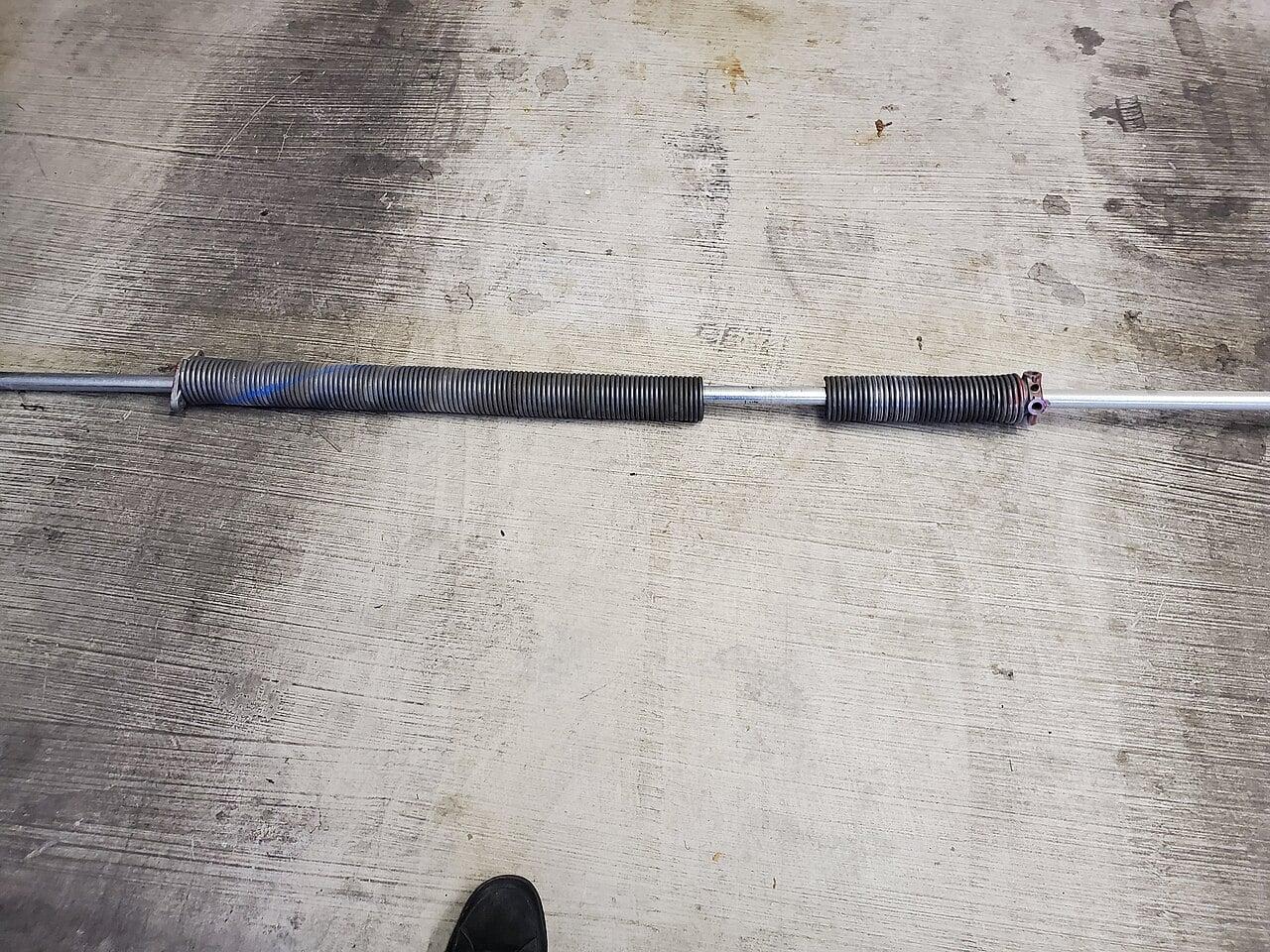
A broken extension spring typically produces a sharp, explosive snap—like a guitar string breaking under tension. Visually, you may see the spring separated into two pieces, often still attached to the pulley or cable at one end. The door may hang unevenly, sag on one side, or refuse to lift manually. If the safety cable is intact and properly installed, it will contain the broken spring; if missing or frayed, the spring can whip violently across the header, posing a serious injury risk.
How to Inspect Extension Springs Safely
Before winter, visually inspect each spring for rust, gaps between coils, or deformation. With the door closed and disconnected from the opener, manually lift it halfway—it should stay in place without drifting. If it drops or feels unusually heavy, the spring may be losing tension. Never attempt to adjust or remove extension springs while the door is under tension. The stored energy can cause severe injury if released unexpectedly. Safety cables must be present and intact; if absent, treat the spring as a hazard.
When Extension Spring Repair Is Not a DIY Job
Replacing or adjusting extension springs involves high stored tension. Even with safety cables, improper handling can lead to sudden release and injury. Torsion springs, which twist rather than stretch, are especially dangerous and must only be serviced by trained technicians. If you observe corrosion, uneven door movement, or hear creaking during operation, do not attempt DIY repair. These symptoms indicate advancing wear that requires professional assessment and proper winding techniques.
Preventive Steps for Winter Readiness
Lubricate springs, hinges, and rollers with a silicone-based lubricant rated for low temperatures—avoid WD-40, which attracts dirt and hardens in cold. Check that safety cables run through the center of each spring and are secured to both the track and ceiling angle. Test the door balance monthly: disconnect the opener and lift the door manually; it should move smoothly and stay open at waist height. If it drifts, spring tension is off and needs correction.
Frequently Asked Questions
### Can I use heat tape or a heater to keep the springs warm?
Applying direct heat to springs is not recommended. It can create uneven expansion, degrade lubricants, and pose a fire risk near electrical components or insulation. Instead, focus on maintaining proper lubrication and tension.
How often should extension springs be replaced in a cold climate?
Extension springs typically last 10,000 to 15,000 cycles. In high-use commercial doors exposed to frequent cycling and freezing temps, replacement every 3 to 5 years is common, though inspection frequency should increase as they age.
What’s the difference between extension and torsion springs in cold weather?
Both types lose flexibility in the cold, but torsion springs store energy through twisting and are under even higher tension. A torsion spring failure is more hazardous due to the sudden release of rotational energy, making professional service essential.