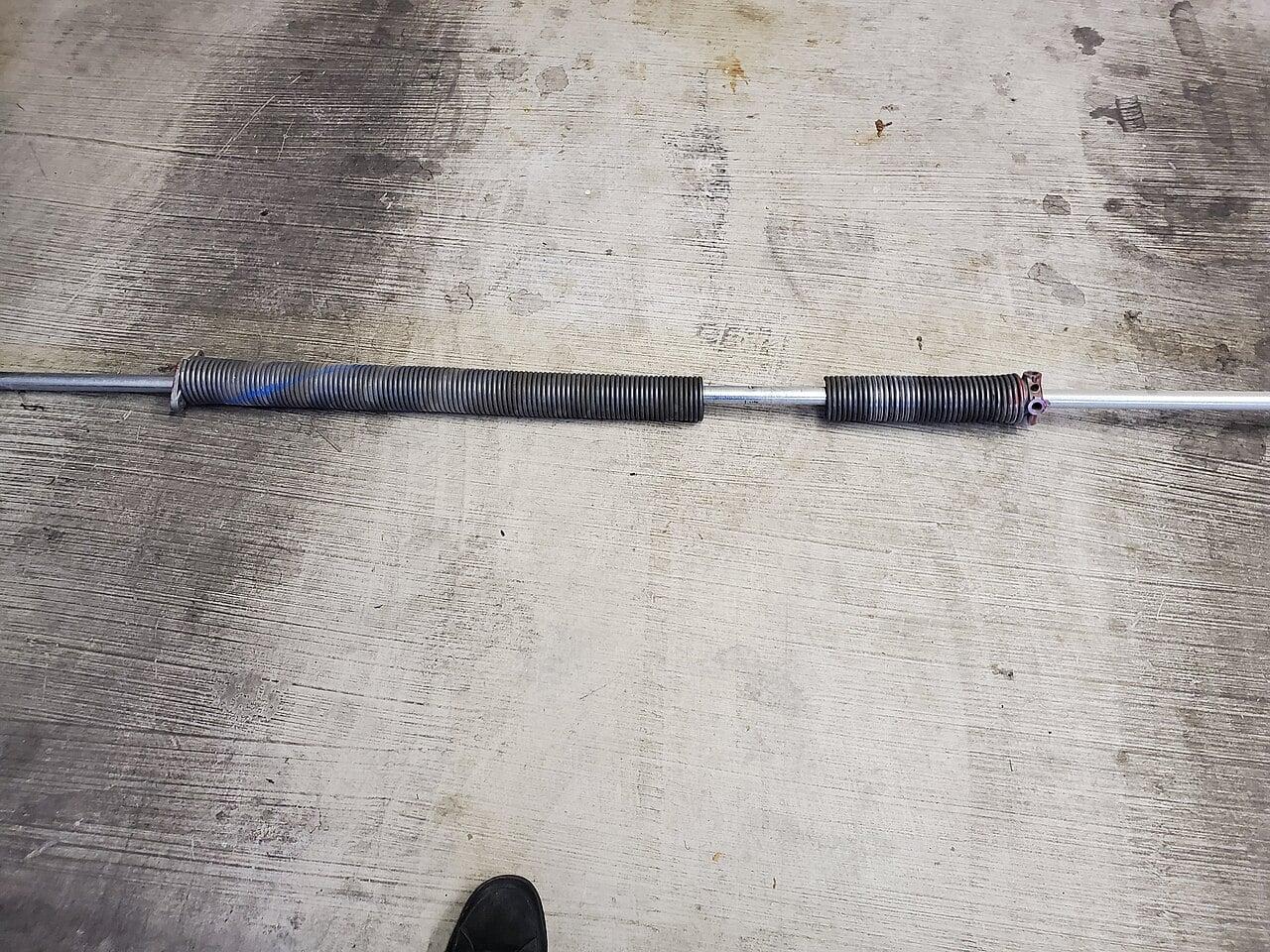
Heavy rain accelerates corrosion and reduces the effective tension in extension springs on commercial overhead doors, leading to uneven lifting, increased strain on motors and cables, and potential sudden failure if not addressed. Unlike torsion springs, extension springs are mounted on either side of the door horizontal track and stretch to counterbalance the door’s weight, making them more exposed to environmental moisture. Prolonged wet conditions cause rust to form on the spring coils, which increases friction between windings and gradually degrades the spring’s ability to store and release energy. This results in the door feeling heavier during operation, moving slower, or jerking as it travels—symptoms often mistaken for opener issues when the root spring degradation is overlooked.
How Extension Springs Function in Commercial Doors
Extension springs run parallel to the horizontal tracks, one on each side, and connect to the door bottom bracket via lift cables. When the door closes, the springs stretch, storing mechanical energy. When opening, that energy assists in lifting the door. Their effectiveness depends on consistent coil tension and freedom from binding. Any corrosion or deformation disrupts this balance, causing one side to lift faster than the other or the door to bind in the track.
What Heavy Rain Does to the Spring Material
Rainwater, especially in Metro Vancouver’s mixed urban and industrial runoff, contains minerals and pollutants that accelerate electrochemical corrosion. Uncoated or poorly galvanized steel springs develop surface rust that pits the wire. As rust flakes off, it creates abrasive particles that grind between coils during cycling, increasing internal friction. Over time, this reduces the spring’s effective elongation capacity—meaning it can’t stretch as far or rebound with the same force. A door that once opened smoothly may now stall midway or require the motor to draw excess current to compensate.
Visible and Audible Signs of Rain-Induced Degradation
Facility staff should inspect for orange-brown discoloration along the spring length, particularly near the ends where coils are bent or clamped. Surface flaking or a rough texture when gloved hand is passed lightly over the spring indicates active corrosion. Audibly, a noisy operation—squeaking, groaning, or a rhythmic clicking during travel—suggests coils are binding due to rust debris. Visually, watch for uneven door movement: one side lagging, the door appearing crooked in the opening, or cables vibrating excessively during transit.
What Maintenance Teams Can Safely Check
Before any contact, disconnect power to the opener and secure the door in the open position using locking pliers on the track or a C-clamp on the shaft to prevent sudden drop. With tension relieved, visually inspect springs for rust buildup, broken coils, or gaps in the winding. Check cable ends for fraying where they attach to the bottom bracket—corroded springs often cause cables to wear faster due to inconsistent loading. Lubrication with a silicone-based spray can reduce noise temporarily but does not reverse corrosion; if rust is heavy or the spring shows deformation, it needs replacement.
Why DIY Replacement Is Not Advisable
Extension springs store significant kinetic energy when stretched. Attempting to remove or adjust them without proper winding bars and containment devices risks sudden release, which can cause severe injury from flying metal. Even with the door open, residual tension remains, and improper handling can lead to uncontrolled recoil. Torsion springs, while not the focus here, are under even greater stored tension and are strictly off-limits for untrained personnel. If springs show corrosion, loss of tension, or uneven performance, replacement should be handled by technicians who use safety cages and follow ANSI/DASMA 102 standards.
The Role of Preventive Maintenance in Coastal Climates
In BC’s wet climate, scheduling semi-annual spring inspections—before and after the rainy season—helps catch degradation early. Applying a light corrosion inhibitor designed for garage door hardware (not WD-40, which attracts dirt) can slow surface oxidation. Keeping tracks clean and dry reduces splash-back onto springs. However, coatings wear, and springs have a finite cycle life; environmental exposure shortens that lifespan. Tracking service history allows prediction of replacement needs before failure disrupts operations.
Frequently Asked Questions
### Can I spray lubricant on rusty springs to fix the problem?
Lubricant may reduce noise temporarily but does not stop corrosion or restore lost tension. It can also attract dirt, creating a grinding paste that accelerates wear. If rust is present, the spring’s integrity is compromised and lubrication alone is insufficient.
How long does it take for rain to noticeably weaken an extension spring?
In consistently wet conditions, surface rust can appear within weeks, but measurable tension loss typically occurs over several months of exposure. The rate depends on spring coating quality, door usage frequency, and whether water pools or splashes directly onto the springs.
Should I replace both extension springs if only one looks bad?
Yes. Springs work as a pair and age similarly. Replacing only one creates imbalance in lifting force, leading to uneven wear on cables, rollers, and the opener. Always replace both to maintain proper door balance and prevent premature failure of the new spring.
CCGDS (604) 206-5727