Cold weather directly impacts commercial overhead door panels by causing metal components to contract, lubricants to thicken or fail, and moisture to freeze in critical joints, leading to increased resistance, misalignment, and potential panel damage. These effects are not merely inconvenient — they can compromise safety, increase wear on operators, and lead to costly downtime if ignored. Understanding the physical mechanisms helps facility teams distinguish between normal seasonal stiffness and signs of impending failure.
Metal Contraction and Panel Warping
Steel and aluminum panels contract in freezing temperatures, often unevenly due to varying thicknesses or insulation cores. This differential contraction can cause panels to bow slightly, especially in wide, uninsulated doors common in warehouses. You might notice gaps forming between panels at the top or bottom when the door is closed, or hear creaking as the door cycles — sounds that weren’t present in warmer months. Inspect the door’s seal along the bottom and sides; if light shows through where it didn’t before, or if the door binds at a specific point in its travel, contraction-induced warping is likely. Do not attempt to force the door closed or adjust panel alignment yourself — this risks damaging hinges or rollers.
Lubricant Failure in Rollers, Hinges, and Tracks
Standard garage door lubricants thicken significantly below -10°C, losing their ability to reduce friction. Rollers may seize in their shafts, hinges stiffen, and the door requires far more force to move — straining the motor and drive system. You’ll hear grinding or squealing noises, particularly during startup, and the door may move jerkily or stall mid-cycle. Check rollers for visible ice buildup or hardened grease; wipe them clean with a rag and apply a low-temperature silicone-based lubricant rated for -30°C or lower. Avoid petroleum-based greases — they attract dirt and freeze harder. If lubrication doesn’t restore smooth motion after cleaning, the rollers or hinges may be worn and need replacement.
Ice Buildup in Weather Seals and Bottom Edges
Melting snow or runoff refreezing overnight can seal the door shut to the floor, especially if the bottom weather seal is cracked, compressed, or missing. This creates a vacuum-like effect when trying to lift the door, potentially tearing the seal, bending the bottom panel, or overloading the opener. Look for ice crusting along the door’s bottom edge or inside the track where it meets the floor. Use a plastic scraper or de-icing spray (non-corrosive, safe for rubber seals) to clear ice — never use hot water, which can crack seals or warp metal when it refreezes. If the seal is torn, hardened, or no longer pliable, replace it; this is a DIY task for most facility staff with basic tools.
Increased Stress on Torsion Springs and Cables
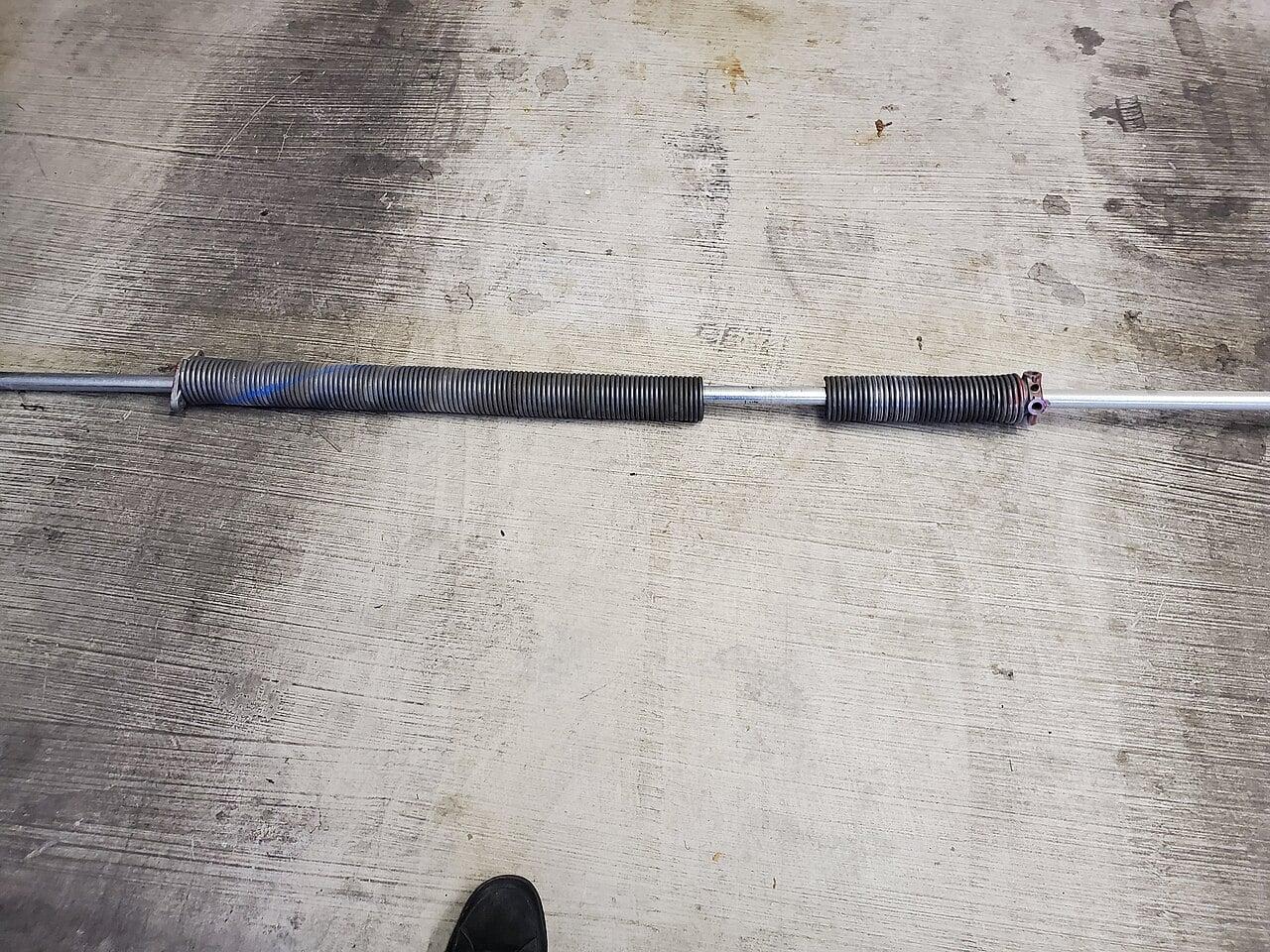
Cold makes steel springs more brittle and less elastic. A spring that’s already near the end of its life may snap under the extra load of a stiff, frozen door. You might hear a loud bang — like a firecracker — when the door fails to open, followed by sudden slack in the cables or the door dropping unevenly. Never inspect or attempt to adjust torsion springs yourself. They store lethal amounts of energy; a sudden release can cause severe injury or death. If you suspect spring fatigue — visible gaps in the coils, rust, or the door feels unusually heavy to lift manually — stop using the door and call a qualified technician. Cables should also be checked for fraying or corrosion; replace them in pairs if damaged.
Operator and Control System Strain
Motors, gears, and control boards work harder to overcome increased friction and resistance from cold-induced stiffness. This leads to overheating, tripped thermal overloads, or erratic behavior like the door reversing mid-close for no apparent reason. Check the opener’s error codes if it has a display — many log torque faults or obstruction detection triggers that spike in winter. Ensure ventilation around the motor unit is clear; avoid enclosing it in tight spaces where cold air pools. If the door requires multiple attempts to open or the motor hums but doesn’t turn, disconnect power and let it warm up before retrying — persistent issues indicate mechanical binding, not an electrical fault.
Preventive Checks Facility Staff Can Perform
Before deep winter sets in, inspect the door’s balance: disconnect the opener and lift the door manually to waist height. It should stay put — if it falls or rises, the springs are out of adjustment (call a pro). Clean tracks of debris and ice; lubricate rollers, hinges, and pivot points with cold-rated silicone spray. Test the auto-reverse feature by placing a 2×4 on the floor where the door closes — it should reverse on contact. Replace worn weather seals and ensure drainage around the door’s exterior prevents water pooling. Keep a log of unusual noises or cycle times; trends often predict failure before it happens.
When to Call a Commercial Door Specialist
Any sign of spring damage, cable wear, panel misalignment that worsens with cold, or repeated opener faults requires professional service. Do not delay — a failing spring or cable under tension is a immediate hazard. CCGDS provides diagnostic and repair services for commercial overhead doors across Metro Vancouver. For assistance, call (604) 206-5727.
Frequently Asked Questions
Can I use WD-40 to lubricate my door in winter?
No. WD-40 is a water displacer and light penetrant, not a lubricant. It evaporates quickly and leaves no lasting film, actually attracting dirt and moisture that can freeze. Use a silicone-based lubricant specifically formulated for low temperatures.
Why does my door open fine in the morning but stick by afternoon?
Temperature swings cause metal to expand and contract cyclically. Morning cold may contract parts just enough to bind; afternoon warmth expands them slightly, freeing the mechanism. This indicates insufficient lubrication or worn rollers — not a temperature issue alone.
Is it safe to chip ice off the door with a metal tool?
No. Metal tools can gouge panels, damage seals, or scratch tracks, creating corrosion points. Use a plastic scraper, rubber mallet, or approved de-icing spray. Never strike the door or panels directly.