Cold weather directly impacts the reliability of commercial overhead door safety sensors by causing condensation to freeze on lens surfaces, contracting wiring insulation, and altering the alignment of photo-eye components. When temperatures drop below freezing, moisture from humid air inside loading docks or warehouses can accumulate on the sensor lenses and turn to ice, blocking the infrared beam. This prevents the sensor from detecting obstructions, causing the door to either fail to close or reverse unexpectedly. The system may also interpret ice buildup as a constant obstruction, keeping the door in an open state as a safety precaution.
How Photo-Eye Sensors Work in Cold Conditions
Commercial overhead doors use opposed photo-eye sensors that transmit an infrared beam across the door opening. If the beam is interrupted, the door stops or reverses. In cold weather, the lens surfaces are prone to fogging or icing, especially when warm, moist air from inside the facility meets the cold sensor housing. Even a thin layer of frost can scatter or absorb enough infrared light to break the beam continuity. The sensor’s internal electronics may also experience reduced sensitivity due to semiconductor performance changes at low temperatures, though this is less common than physical obstruction.
Signs Your Safety Sensor Is Affected by Cold
Look for doors that refuse to close when temperatures fall below 0°C, even with nothing visibly in the way. You might hear the motor run briefly, then stop and reverse, or see the flashing indicator lights on the sensor units—typically a rapid blink pattern signaling beam misalignment or obstruction. In some cases, the door may close partially and then reopen. These symptoms often appear suddenly after a temperature drop or during humid cold snaps when condensation forms rapidly.
What You Can Safely Check Yourself
Before assuming a component failure, inspect the sensor lenses for ice, frost, or condensation. Use a clean, dry cloth to gently wipe each lens—never use hot water or de-icing chemicals, as thermal shock can crack the housing. Check that the sensors are still mounted securely and facing each other directly; vibration or thermal contraction can shift brackets slightly over time. Verify that the indicator lights on both units are solid (not flashing) when the beam is unobstructed. If icing recurs, consider improving ventilation or using a sensor hood designed to minimize moisture buildup.
When Condensation Becomes a Recurring Issue
Persistent icing suggests a deeper environmental problem: warm, humid air escaping from the facility and contacting cold sensor surfaces. This is common in food processing warehouses, refrigeration facilities, or any space with significant indoor-outdoor temperature differentials. Inspect door seals and weatherstripping for gaps that allow moist air to leak out. Addressing the source of humidity is more effective than repeatedly cleaning sensors. In extreme cases, relocating sensors to a less exposed position or installing heated lens covers may be necessary, but these require professional evaluation.
What Not to Do in Cold Weather
Do not attempt to disassemble the sensor housing or tamper with internal wiring to ‘dry out’ moisture—this risks damaging sealed components or creating electrical hazards. Never bypass or disable the safety sensor system to make the door operate; this violates workplace safety regulations and creates a serious entrapment risk. Avoid using lubricants, solvents, or adhesive tapes on or near the sensors, as these can degrade the lens material or interfere with beam transmission.
Safety Systems vs. Mechanical Components: Know the Difference
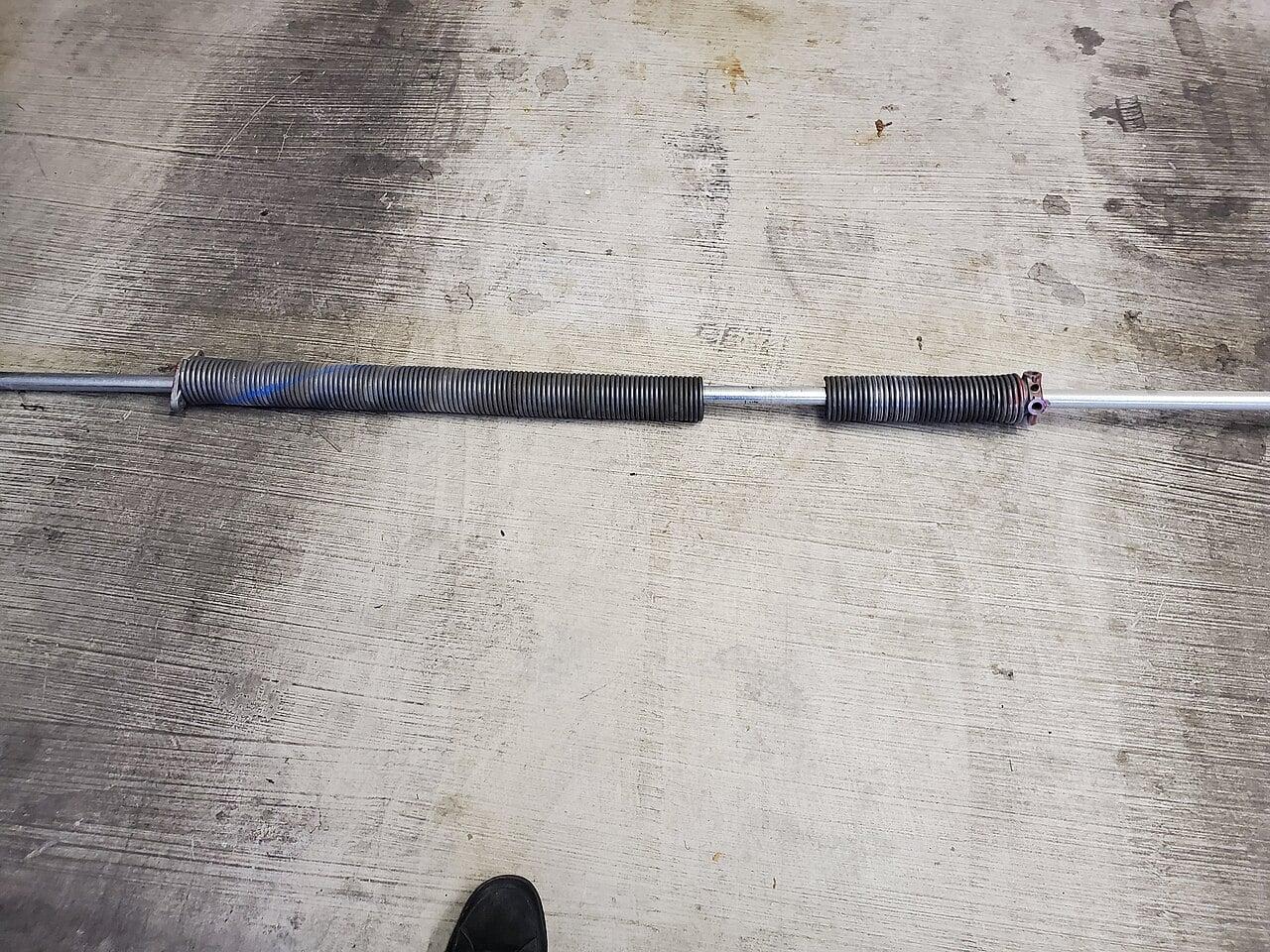
While sensor issues are often environmental and diagnosable by facility staff, other cold-related door problems involve mechanical parts under high tension. Torsion springs, lift cables, and roller assemblies store dangerous amounts of energy and must only be inspected or adjusted by trained technicians. Cold temperatures can make steel more brittle, increasing fracture risk, but diagnosing or repairing these components is not a DIY task. If the door struggles to lift, makes loud snapping noises, or shows visible spring damage, stop operation and contact a qualified service provider.
Frequently Asked Questions
### Can I use a hairdryer or heat gun to defrost frozen sensors?
No. Applying direct heat risks warping the lens casing, cracking seals, or damaging internal electronics. Use only a dry cloth at ambient temperature to remove ice. If freezing is frequent, address the humidity source or consult a professional about environmental-rated sensor upgrades.
Will cold weather permanently damage my safety sensors?
Not typically. Most commercial sensors are rated for operation down to -30°C. Performance issues are usually reversible once ice is cleared and alignment is restored. However, repeated thermal cycling can contribute to long-term wear on wiring or mounting hardware, so persistent problems should be evaluated.
Should I replace my sensors with a different type for cold climates?
Standard photo-eye sensors work reliably in cold environments when kept clear of ice and properly aligned. Alternatives like ultrasonic or laser sensors exist but are rarely needed for commercial overhead doors unless in extreme particulate or vapor conditions. Focus first on eliminating moisture buildup before considering sensor replacement.