A noisy commercial overhead door often points to a problem with the safety sensor system, not just general wear. If you hear grinding, clicking, or intermittent beeping during operation—especially when the door reverses unexpectedly—the issue may lie in how the photo-eye sensors are communicating with the opener. These sensors create an infrared beam across the door opening; when interrupted, they trigger a safety stop. Noise arises when the system struggles to maintain that signal, causing the motor to strain or cycle abnormally.
How Safety Sensors Work in Commercial Overhead Doors
Commercial doors use paired photo-eye sensors mounted near the floor on either side of the opening. One emits an infrared beam; the other receives it. If the beam is broken—by a person, object, or misalignment—the door stops and reverses. The opener constantly monitors this circuit. When the signal is weak or intermittent, the control board may misinterpret it as an obstruction, triggering repeated reversal attempts that produce clicking, buzzing, or grinding noises from the motor or drive mechanism.
Common Causes of Noise Linked to Sensor Problems
Misalignment is the most frequent issue. Even a slight shift—from vibration, impact, or loosened brackets—can break the beam. Dirt, dust, or condensation on the lenses scatters the infrared signal, reducing signal strength. Wiring issues, such as frayed cables from rodent damage or conduit wear, cause intermittent connectivity. In older systems, failing sensors or degraded components in the sensor circuit board can produce erratic behavior that the opener interprets as a fault, leading to noisy correction cycles.
What the Noise Actually Sounds Like
You might hear rapid clicking from the opener’s relay as it repeatedly tries to engage and disengage the motor. A low buzz or hum may indicate the motor is straining against a perceived obstruction. If the door starts to close, reverses, then tries again in a loop, you’ll hear cyclic grinding or clunking from the drive chain, belt, or trolley. These sounds are distinct from worn rollers or loose hardware—they’re rhythmic and tied directly to the door’s attempt to comply with faulty safety input.
What You Can Safely Check Yourself
First, inspect the sensor lenses. Clean them with a dry microfiber cloth—no solvents. Check that both sensor lights are steadily lit; flickering or off lights indicate power or alignment issues. Ensure nothing is blocking the beam path, including debris, spider webs, or misaligned brackets. Verify the sensors are pointing directly at each other; use a string or laser level if needed. Confirm the wiring is intact where it enters the sensor housing—look for chews, cuts, or loose staples. Do not open the sensor housing or attempt to rewire anything.
When to Stop and Call a Technician
If cleaning and realigning the sensors doesn’t stop the noise, or if the lights remain erratic, the problem may be internal to the sensor unit, the wiring inside the wall or ceiling, or the opener’s control board. Continuing to operate the door under these conditions risks premature motor wear or failure. More critically, if the door fails to reverse when the beam is broken—a test you can perform by waving a broomstick in the path—you have a serious safety defect that requires immediate professional attention. Never disable or bypass the sensors.
Why Torsion Springs and High-Tension Components Are Off-Limits
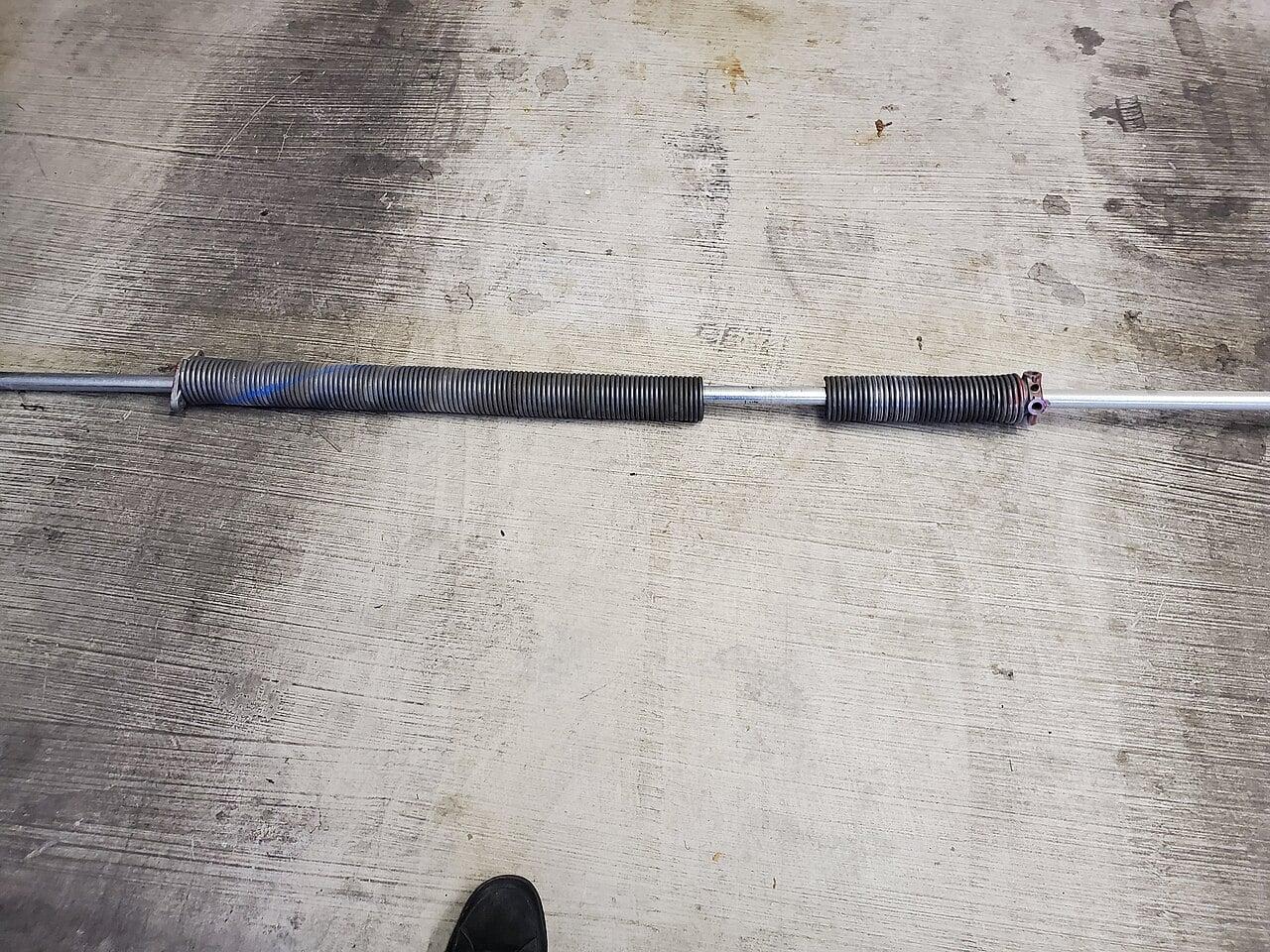
While diagnosing sensor noise, you might be tempted to inspect other parts. Do not touch torsion springs, cables, bottom brackets, or anything connected to the spring assembly. These components store lethal amounts of energy. A sudden release can cause severe injury or death. Sensor diagnostics stay limited to the low-voltage safety circuit and visible hardware. Any work involving spring tension, door balancing, or opener disconnection must be performed by a qualified technician.
Frequently Asked Questions
### Can dirty sensors cause the door to reverse for no reason?
Yes. When dust or moisture scatters the infrared beam, the receiving sensor may not detect enough signal to confirm the path is clear. The opener interprets this as an obstruction and triggers a reversal, even if nothing is physically blocking the door.
Is it safe to use the door if the sensors are noisy but it still closes most of the time?
No. Intermittent sensor failure creates unpredictable behavior. The door might fail to reverse when someone or something is in the path, creating a pinch or impact hazard. Noise indicates the system is not operating reliably.
How often should commercial safety sensors be checked?
At minimum, inspect and clean the sensors monthly as part of routine facility maintenance. In high-dust environments—like woodshops, food processing, or warehouses with conveyor activity—check them weekly. Include sensor function in your regular door safety test.
CCGDS (604) 206-5727