Safety sensors on commercial overhead doors wear out faster in wet climates due to persistent moisture ingress, thermal cycling, and contaminant buildup on optical components. In Metro Vancouver, frequent rain, high humidity, and seasonal temperature swings create conditions where condensation forms inside sensor housings, corroding internal circuitry and degrading lens clarity over time. This is not merely surface dampness—it’s a slow electrochemical process that compromises the sensor’s ability to reliably transmit and receive infrared signals, leading to false obstructions or complete failure to detect objects in the door’s path.
How Moisture Damages Sensor Electronics
Commercial safety sensors use paired infrared transmitters and receivers mounted on either side of the door track. When moisture enters the housing—often through microscopic gaps in seals or conduit fittings—it creates conductive paths across circuit boards. Over time, this causes corrosion on solder joints and traces, increasing resistance and weakening signal strength. In wet climates, this process accelerates because humidity keeps surfaces damp longer, preventing full drying between rain events. The damage is rarely visible externally; the sensor may still align visually but fail intermittently, especially during temperature drops when condensation forms inside the lens.
The Role of Temperature Cycling
Metro Vancouver experiences frequent shifts between cold, wet winters and mild, damp springs. These cycles cause materials in the sensor housing—plastics, seals, and adhesives—to expand and contract repeatedly. This stress micro-cracks seals and loosens conduit fittings, creating new entry points for moisture. Each cycle also pulls humid air into the housing during cooling phases, which then condenses when the door warms from sunlight or internal facility heat. This repeated wetting and drying accelerates oxide buildup on metal contacts and clouds the optical lenses, reducing the effective range of the infrared beam.
Contaminant Buildup from Airborne Particulates
Wet climates increase the adhesion of airborne particulates—dust, pollen, road salt residue, and industrial pollutants—to sensor lenses. When moisture is present, these particles form a thin, conductive film that scatters or absorbs infrared light. Unlike dry environments where dust might simply sit on the surface, here it combines with water to create a hazy layer that mimics an obstruction. Sensors may trigger false reversals during operation, or fail to clear after a blockage is removed because the film prevents the receiver from detecting the transmitter’s signal.
What Sensor Wear Looks and Sounds Like
Worn sensors rarely fail catastrophically. Instead, they show intermittent faults: the door reverses unexpectedly mid-close, the safety LED flashes erratically, or the door refuses to close unless the open button is held continuously (bypassing safety logic). You might hear a rapid clicking from the control board as it repeatedly tries to validate the sensor signal. Visually, inspect for fogging inside the lens, white or green corrosion on terminals, or water droplets visible through the housing seams. If the sensor alignment lights are dim or flickering despite proper mounting, internal degradation is likely.
What Facility Staff Can Safely Check
You can perform basic checks without opening housings or touching wiring. First, wipe the exterior lenses with a dry, lint-free cloth—never use solvents or ammonia-based cleaners, which can damage coatings. Check that sensors are firmly mounted and aligned; the sender and receiver LEDs should glow steadily when unobstructed. Verify that conduit entries are sealed and free of visible water tracing. Test the door’s response by placing a solid object in the path—it should reverse immediately and smoothly. If the door hesitates, reverses late, or requires holding the close button, the sensors are likely degraded and need professional evaluation.
When DIY Ends and Professional Service Begins
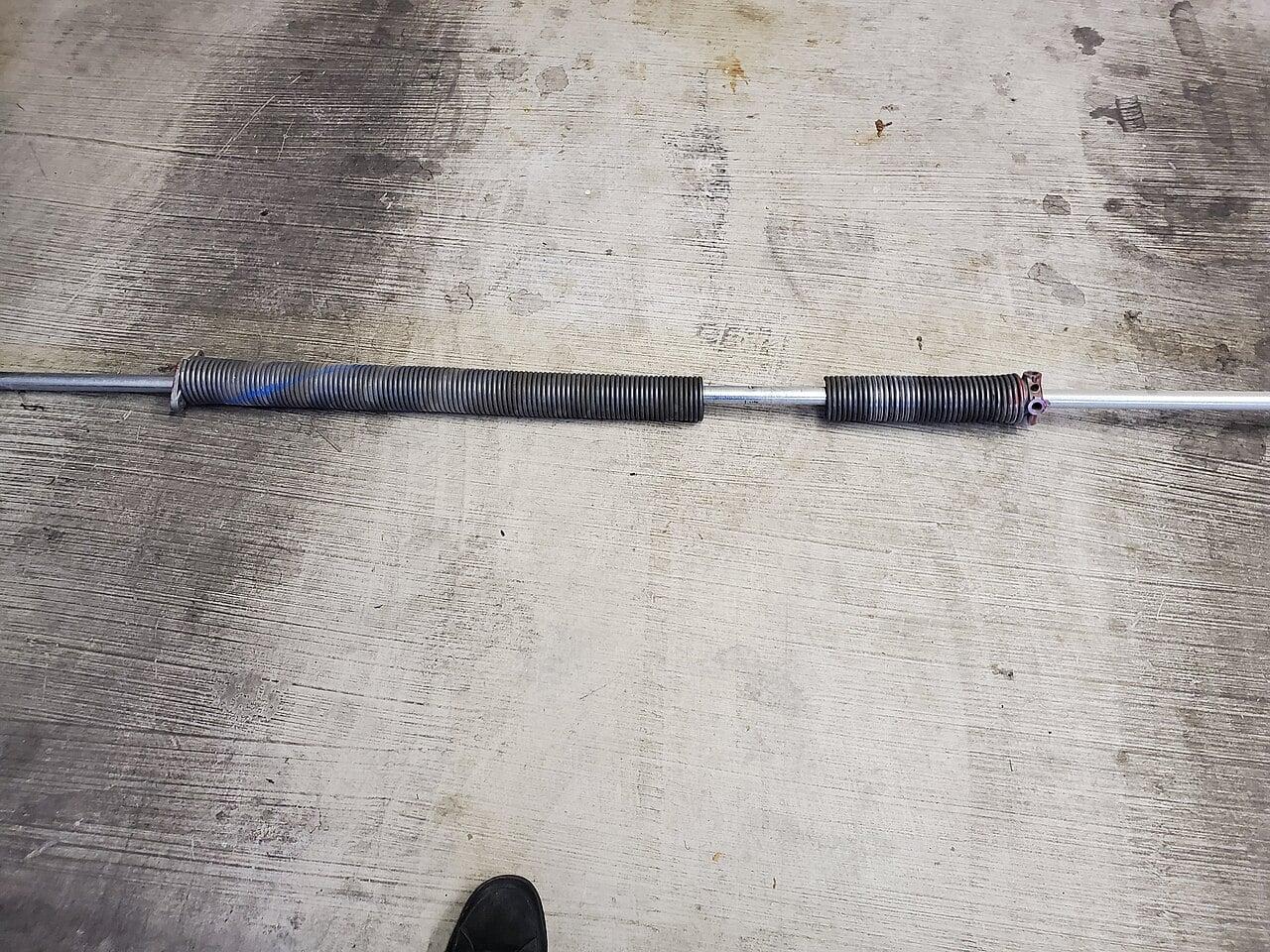
Cleaning lenses and verifying alignment are safe, routine tasks. However, opening sensor housings, testing circuit continuity, or replacing sealed units involves working with low-voltage control circuits that, while not high-risk, require proper diagnostics to avoid misalignment or creating new moisture pathways. More critically, never attempt to adjust or service torsion springs, cables, or the door’s counterbalance system—these components store lethal energy and must only be handled by trained technicians using proper tools. If sensor issues persist after basic cleaning and alignment checks, or if you observe corrosion inside the housing, contact a qualified door technician.