Lubricating a commercial overhead door safety sensor is not about oiling the photo-eye itself but maintaining the moving parts that can interfere with its alignment or trigger false obstructions. The safety sensor system uses an infrared beam between a transmitter and receiver mounted near the floor on either side of the door track. If the beam is interrupted, the door reverses. Lubrication does not apply to the sensor lenses or wiring—it applies to the door’s rollers, hinges, and track where buildup or drag can cause the door to sag, vibrate, or shift slightly during operation, which may misalign the sensors or trigger a false obstruction signal. This guide explains how to service the mechanical components that affect sensor performance without risking injury or voiding equipment integrity.
Understanding How Safety Sensors Interact with Door Mechanics
Safety sensors do not have moving parts that require lubrication. Their function depends on a clear, unobstructed infrared beam. However, if the door does not travel smoothly—due to dry rollers, corroded hinges, or dirty tracks—it can tilt, jerk, or vibrate as it moves. This motion may cause the sensor brackets to shift minutely, breaking the beam alignment even when nothing is physically blocking it. The result is a door that reverses unexpectedly, refuses to close, or shows a flashing sensor light. These symptoms are often mistaken for sensor failure when the root cause is mechanical resistance in the door’s travel path.
Identifying When Lubrication Is Needed
Check for these signs: the door reverses mid-close with no visible obstruction, the sensor lights blink or flicker during operation, or the door makes grinding, squeaking, or rubbing noises as it moves. Manually disconnect the opener and lift the door halfway—if it does not stay put or feels sticky, resistance is present. Inspect the rollers for flat spots or seized bearings, check hinges for rust or cracks, and look for dirt, grease buildup, or debris in the vertical and horizontal tracks. These conditions increase friction, which can induce micro-movements that disrupt sensor alignment over time.
Selecting the Right Lubricant for Door Hardware
Use a silicone-based or lithium-based grease specifically formulated for garage door hardware. Avoid WD-40, penetrating oils, or general-purpose lubricants—they attract dust, dry out quickly, and can degrade rubber rollers or damage plastic sensor housings if overspray occurs. Apply lubricant sparingly to the roller bearings where they meet the shaft, the pivot points of each hinge, and the inside of the vertical track where the rollers slide. Wipe away excess with a clean cloth to prevent drips onto the sensor lenses or floor. Never spray lubricant near the sensor units themselves—overspray can coat the infrared lenses and cause false beam interruptions.
Step-by-Step Lubrication Procedure
First, disconnect the door opener from power. Close the door fully. Clean the rollers, hinges, and track with a dry brush or cloth to remove old grease and debris. Apply a small amount of lubricant to each roller bearing—focus on the metal interface, not the rubber tire. Lubricate each hinge at its knuckle points. Run a thin bead of lubricant along the inside of the vertical track where the rollers make contact, then wipe it smooth. Operate the door manually several times to distribute the lubricant, then re-engage the opener. Test the door cycle and observe the sensor lights—they should remain steady throughout travel.
When Not to Lubricate and What Requires Professional Service
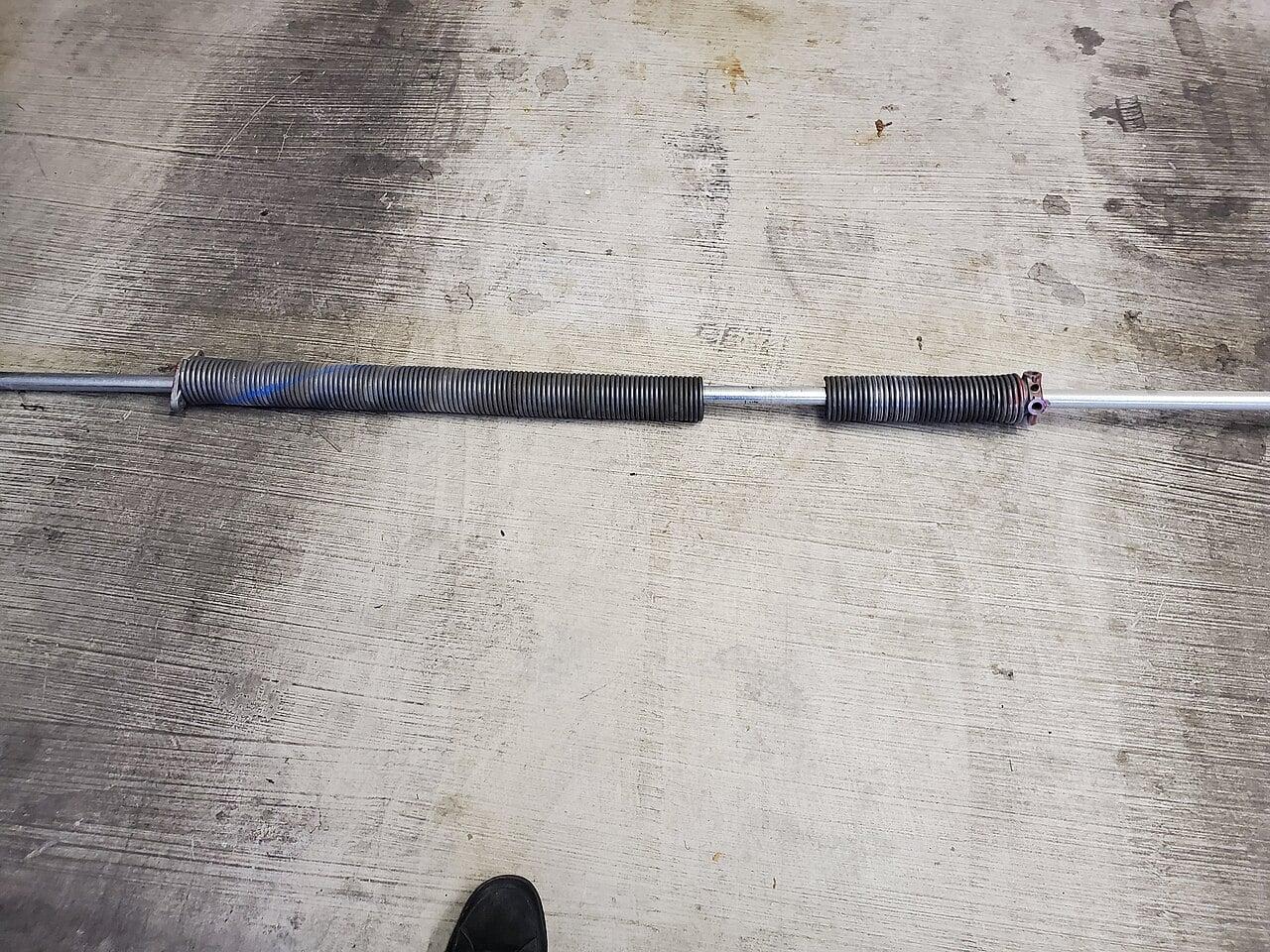
Do not attempt to lubricate torsion springs, extension springs, cables, or any component under high tension—these store dangerous energy and can cause severe injury if mishandled. If the door is unbalanced, sagging on one side, or the sensors remain misaligned after lubricating the hardware, the issue may involve worn brackets, damaged sensor mounts, or electrical faults. Sensor wiring, lens cleaning, or alignment adjustments should be performed with the door stationary and power disconnected. If the sensors themselves are damaged, corroded, or fail to light up when powered, they require replacement—not lubrication.
Frequently Asked Questions
### Can I lubricate the safety sensor lenses to improve performance?
No. Lubricating the sensor lenses will attract dust and debris, scatter the infrared beam, and cause false obstructions. Clean the lenses only with a dry, soft cloth or a slightly damp microfiber towel—never use solvents, oils, or sprays.
How often should I lubricate the door hardware to prevent sensor issues?
In industrial or high-cycle environments, lubricate rollers, hinges, and tracks every three months. In lower-use facilities, every six months is sufficient. Always inspect for wear or damage during lubrication.
What if the door still reverses after lubricating the hardware?
Check for loose sensor brackets, misaligned sensors, dirty lenses, or damaged wiring. Ensure the door is balanced and travels smoothly without binding. If the problem persists, the sensors or opener logic may need professional evaluation.
CCGDS (604) 206-5727