The safety sensor on a commercial overhead door must be properly balanced to function correctly. If the door is out of balance, the sensors may not trigger reliably, creating a safety hazard. This test checks whether the door moves smoothly and stops at the correct points without binding or drifting, which directly affects sensor alignment and response.
Understanding Door Balance and Sensor Function
A commercial overhead door relies on spring tension—either torsion or extension—to counterbalance its weight. When properly balanced, the door should stay in place when manually lifted to any point along its travel and move up or down with minimal force. The safety sensors, typically photo-eyes mounted near the floor on either side of the door opening, require the door to travel along a consistent, unobstructed path. If the door is unbalanced, it may sag, bind, or drift during operation, causing the sensors to misalign or the door to reverse unexpectedly.
Visual and Operational Checks You Can Perform
Start by disconnecting the door opener using the release cord. Manually lift the door to waist height and let go. A properly balanced door will remain nearly stationary, drifting only slightly due to friction. If it falls quickly or rises on its own, the spring tension is incorrect. Next, open and close the door fully by hand. It should move smoothly without sticking, grinding, or requiring excessive force. Listen for uneven rubbing or scraping sounds, which indicate misaligned tracks or worn rollers. Check that the door seals evenly against the weatherstripping along the full width of the opening—gaps on one side suggest the door is tilting.
Testing Sensor Alignment After Balance Check
Once you’ve confirmed the door moves freely and stays in position, reconnect the opener. Place a solid object, like a 2×4, flat on the floor where the door closes. Activate the door to close. It should reverse immediately upon contacting the object. If it doesn’t, the sensors may be misaligned, obstructed, or faulty. Clean the sensor lenses with a dry cloth and ensure the LED indicators on both units are steady—not flickering or off. Misalignment often results from the door shifting during operation due to imbalance, so recurring sensor faults after realignment usually point to an underlying balance issue.
What You Can Safely Adjust Yourself
You can inspect and clean sensor lenses, verify mounting brackets are tight, and check for wire damage or loose connections. If the door sticks in the tracks, you can lubricate rollers, hinges, and pivot points with a silicone-based lubricant—never use WD-40 on moving parts. You may also adjust the sensor mounting brackets slightly to realign the beams if the LEDs indicate misalignment. These tasks pose minimal risk and are appropriate for facility maintenance staff.
What Requires a Qualified Technician
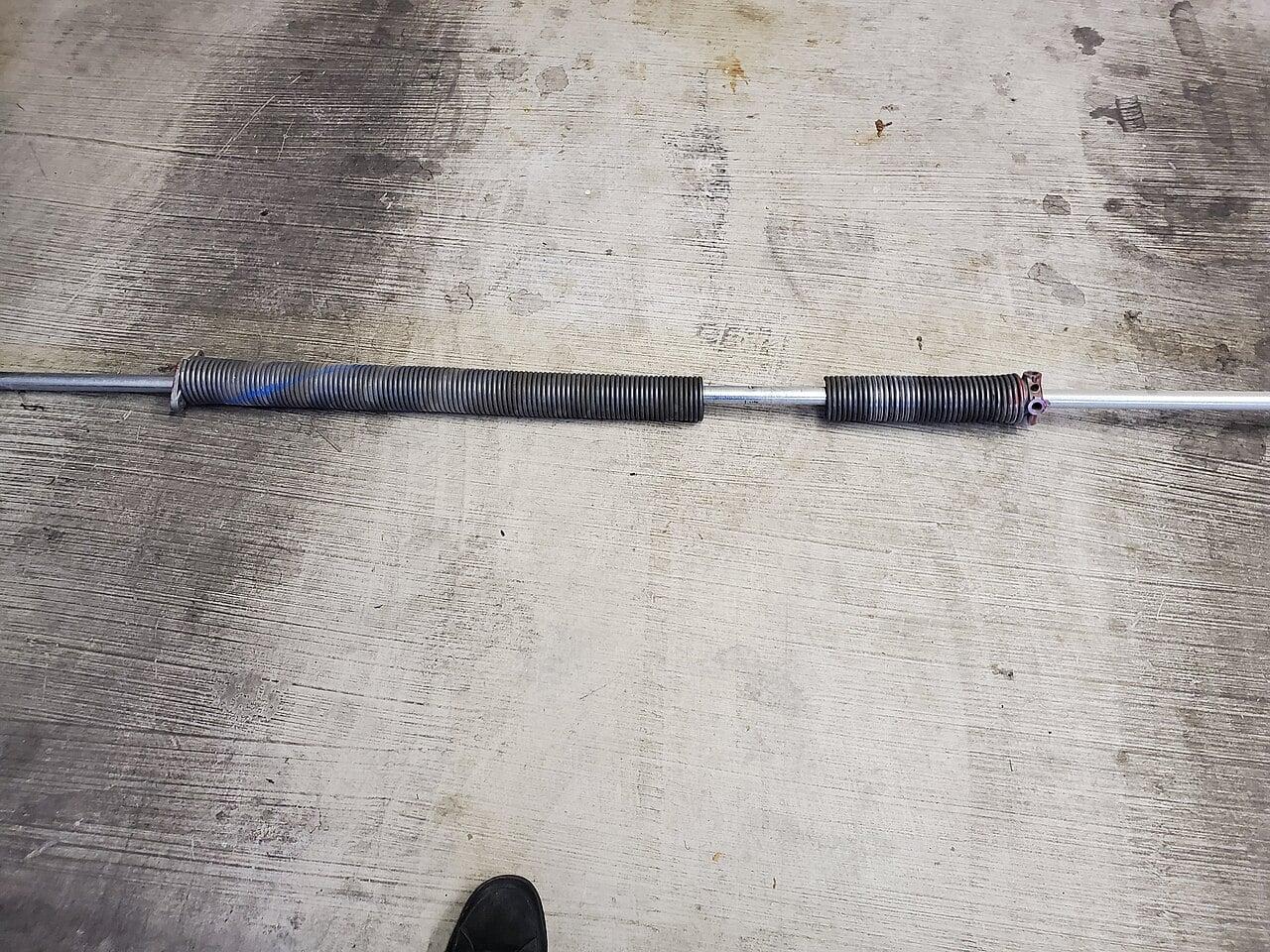
Any adjustment to torsion springs, extension springs, or their associated cables and drums is hazardous and must be performed by a trained technician. These components store extreme energy—releasing them improperly can cause severe injury or death. If the door fails the manual balance test (drifts significantly when released at mid-travel), do not attempt to adjust spring tension. Similarly, if the door is bent, the tracks are visibly damaged, or the door binds despite lubrication and roller inspection, these are mechanical issues requiring professional correction. Attempting to force operation under these conditions risks sensor failure, door collapse, or cable snap.
Frequently Asked Questions
### How often should I test the balance and safety sensors on a commercial overhead door?
Perform a manual balance check and sensor function test monthly. High-cycle doors in warehouses or loading docks may need weekly inspection. Document results and note any changes in movement, noise, or sensor response.
Can a door be balanced if the springs are broken?
No. A broken spring means the door has no counterbalance and will fall rapidly when released. Operating the door under these conditions is unsafe and can damage the opener, tracks, and sensors. Springs must be replaced before any balance testing or adjustment.
Why do my safety sensors keep faulting even after cleaning and realigning them?
Recurring sensor faults often indicate the door is shifting during travel due to imbalance, worn rollers, or track misalignment. Fixing the sensor alone treats the symptom, not the cause. Check door balance and hardware condition before assuming the sensors are defective.