Summer heat accelerates wear on commercial overhead door lifting cables by causing metal fatigue, drying out lubricants, and increasing tension in the system as components expand. This isn’t just about discomfort—it’s a mechanical failure waiting to happen. Property managers and facility leads need to recognize the early signs before a cable snaps under load, which can drop a door suddenly and create a serious safety hazard.
How Heat Causes Cable Degradation
Steel lifting cables lose tensile strength when repeatedly heated and cooled. In summer, door cycles expose cables to temperatures that can exceed 60°C inside the drum housing, especially in poorly ventilated warehouses. This thermal cycling causes microscopic cracks in the wire strands. Over time, these cracks propagate, reducing the cable’s ability to handle the door’s weight. The core issue isn’t just surface rust—it’s internal fatigue that you can’t see without disassembly.
What the Failure Looks and Sounds Like
A failing cable often shows visible fraying near the drum or bottom bracket—look for broken strands sticking out like a frayed rope. You might hear a rhythmic clicking or ticking during operation as damaged strands catch on the drum grooves. In advanced stages, the door may jerk or lag on one side because the cable is no longer winding evenly. If you notice the door hanging unevenly when closed, or see grease mixed with metal dust on the cables, stop using the door immediately.
Why Lubricant Breakdown Matters
The lubricant on lifting cables isn’t just for quiet operation—it prevents metal-on-metal friction that accelerates wear. High summer temperatures cause petroleum-based greases to oxidize and harden, turning into a crust that traps heat and abrasive debris. This dried lubricant increases friction between strands, which raises local temperatures further and speeds up fatigue. Re-lubricating in spring and early summer with a high-temp synthetic grease rated for at least 120°C can slow this process, but it won’t reverse existing damage.
Thermal Expansion and Increased Tension
Steel expands about 0.000012 per degree Celsius. On a 30°C day versus a 5°C winter morning, a 10-foot cable can lengthen by over 4mm. While this seems small, in a tightly wound drum system, that extra length increases pre-load on the cable and shifts the load balance between cables. If one cable is already weakened, this added tension can push it past its failure point during the next cycle. Doors with misaligned tracks or worn rollers amplify this effect by creating uneven drag.
What You Can Safely Check Yourself
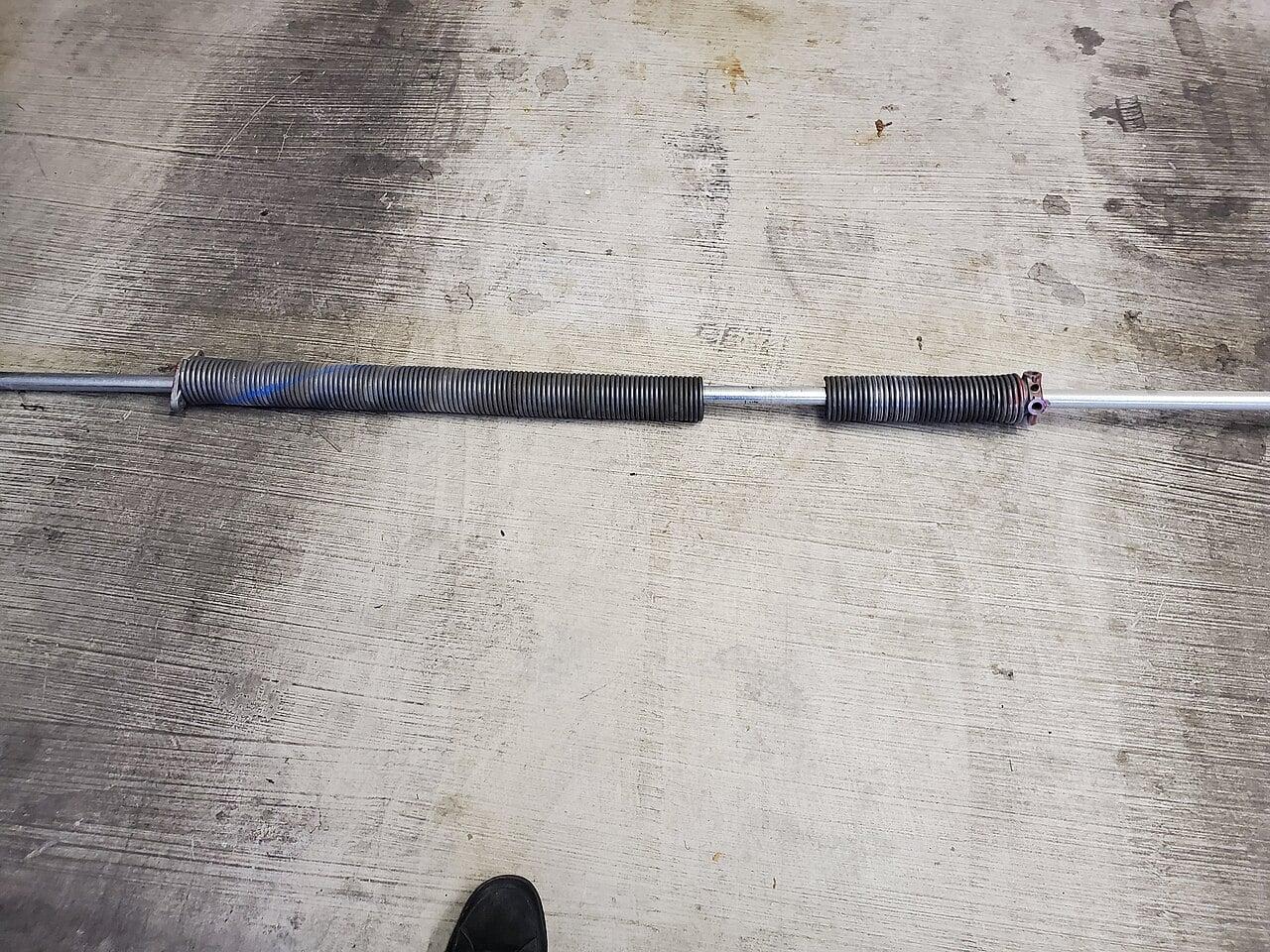
You can inspect cables visually for fraying, corrosion, or missing lubricant—use a flashlight and look closely at the drum attachment points and where the cable passes over pulleys. Check for even winding on the drum; cables should stack neatly without crossing over themselves. Listen for unusual noises during manual operation (disconnect the opener first). Never attempt to adjust cable tension, remove cables from the drum, or touch torsion spring components. These are under extreme stored energy and can cause lethal injury if mishandled.
When to Call a Professional
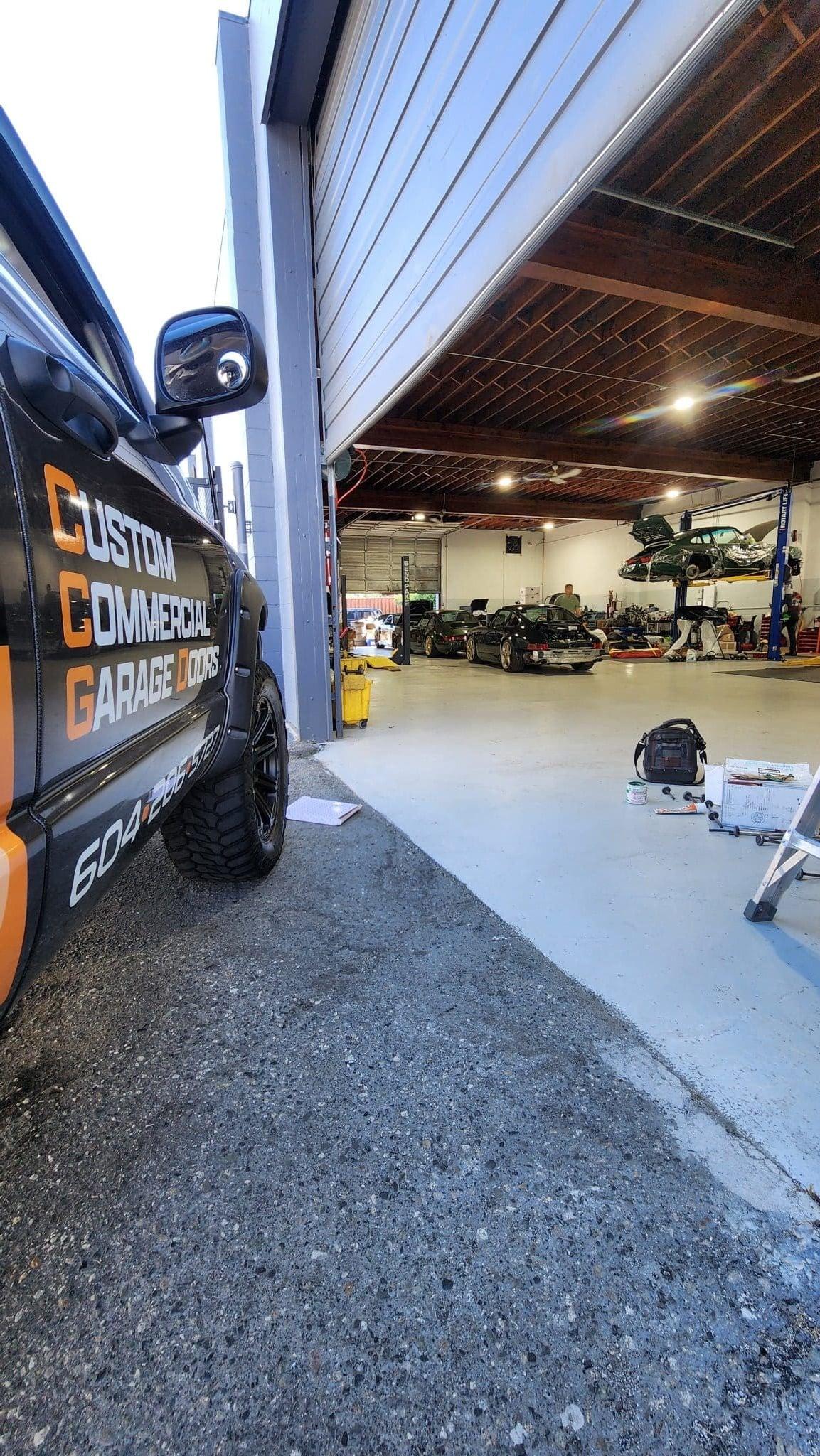
If you see broken strands, significant rust, or the door operates unevenly, stop using the door and contact a technician. Cable replacement requires releasing torsion spring tension—a procedure that demands specific tools and training. A professional will also inspect drums, bearings, and cable alignment to prevent repeat failures. In Metro Vancouver, CCGDS handles these assessments and replacements for commercial facilities.
Frequently Asked Questions
### Can I just spray WD-40 on the cables to fix heat damage?
No. WD-40 is a water displacer, not a lubricant suited for lifting cables. It attracts dust and evaporates quickly, leaving no protective film. Use a approved synthetic cable lubricant or consult a technician for proper product selection.
Does painting the cables help prevent heat-related wear?
No. Paint adds no structural benefit and can hide developing fraying or corrosion. It may also crack and flake, creating abrasive particles that accelerate wear. Keep cables clean and lubricated, not coated.
How often should lifting cables be inspected in summer?
At minimum, inspect cables at the start of summer and again mid-season if the door cycles more than 20 times daily. High-use facilities should check monthly during hot weather. Any sign of wear warrants immediate professional review.