Humidity accelerates corrosion on steel lifting cables used in commercial overhead doors, especially in coastal or poorly ventilated facilities across Metro Vancouver. Moisture reacts with the steel strands and any existing micro-scratches, forming iron oxide that weakens the cable over time. This isn’t just surface rust—it reduces tensile strength, increases friction in the drum and pulley system, and can lead to sudden failure under load. The first sign is often a faint rust-colored residue on the cable or nearby hardware, followed by stiffness in door operation. You might hear a scraping or grinding noise as the door moves, particularly during opening or closing cycles when cable tension shifts. In advanced stages, individual strands may appear frayed or broken, and the cable can develop a brittle feel when bent slightly by hand.
How Moisture Breaks Down Steel Cable
Commercial lifting cables are typically made of galvanized aircraft-grade steel, designed to resist rust but not immune to it. In high-humidity environments, condensation forms on the cable surface, especially during temperature swings overnight. This moisture penetrates microscopic imperfections in the galvanized coating, creating localized electrochemical cells that eat away at the steel. Over time, the cross-sectional area of the cable decreases, reducing its safe working load. Unlike visible rust on exterior surfaces, internal corrosion between strands can progress unseen, making visual inspection insufficient without close examination. Doors in food processing plants, wash bays, or unheated warehouses are at highest risk due to constant moisture exposure or frequent cleaning cycles.
What Failure Looks and Sounds Like
Early-stage corrosion shows as light orange-brown staining on the cable, often worst near the bottom where moisture pools or near the drum where flexing occurs. As damage advances, you may notice the door hesitates mid-cycle or requires more force to operate manually. Audible cues include a consistent squeak or groan that changes pitch with door position—different from the rhythmic clicking of rollers or the snap of a spring. A severely degraded cable may produce a sharp metallic twang when under load, indicating strand breakage. If the door sags on one side when closed or the cable appears slack while under tension, it’s a sign of uneven wear or partial failure that needs immediate attention.
What You Can Safely Check Yourself
Facility staff can perform a basic visual and tactile inspection without tools. With the door fully closed and locked out, examine the cables along their full length—paying attention to the bottom bracket connection, the drum wrap area, and where the cable passes over pulleys. Look for rust flaking, broken strands (which may look like fuzzy ends), or kinks that don’t straighten when tension is applied. Wipe the cable with a clean cloth; if it comes away with orange residue, corrosion is active. Check that both cables show similar wear—uneven deterioration suggests misalignment or binding elsewhere. Never attempt to adjust cable tension, remove cables from drums, or loosen bottom brackets, as this can release stored energy.
When It’s Time to Call a Professional
Any sign of broken strands, significant pitting, or cable deformation requires replacement by a technician trained in high-tension systems. Cables operate under constant load equal to the door’s weight, and failure can cause the door to drop suddenly. Replacement involves releasing tension from the torsion spring system—a procedure that carries serious risk of injury if done incorrectly. Technicians use specialized tools to wind and unwind springs safely, verify drum alignment, and install new cables with proper pre-load. Lubrication alone cannot reverse corrosion damage; applying grease to a corroded cable traps moisture and accelerates further decay. If your door is over 10 years old and operates in a damp environment, consider cable inspection part of your seasonal maintenance.
Why Torsion Springs Are Off-Limits for DIY
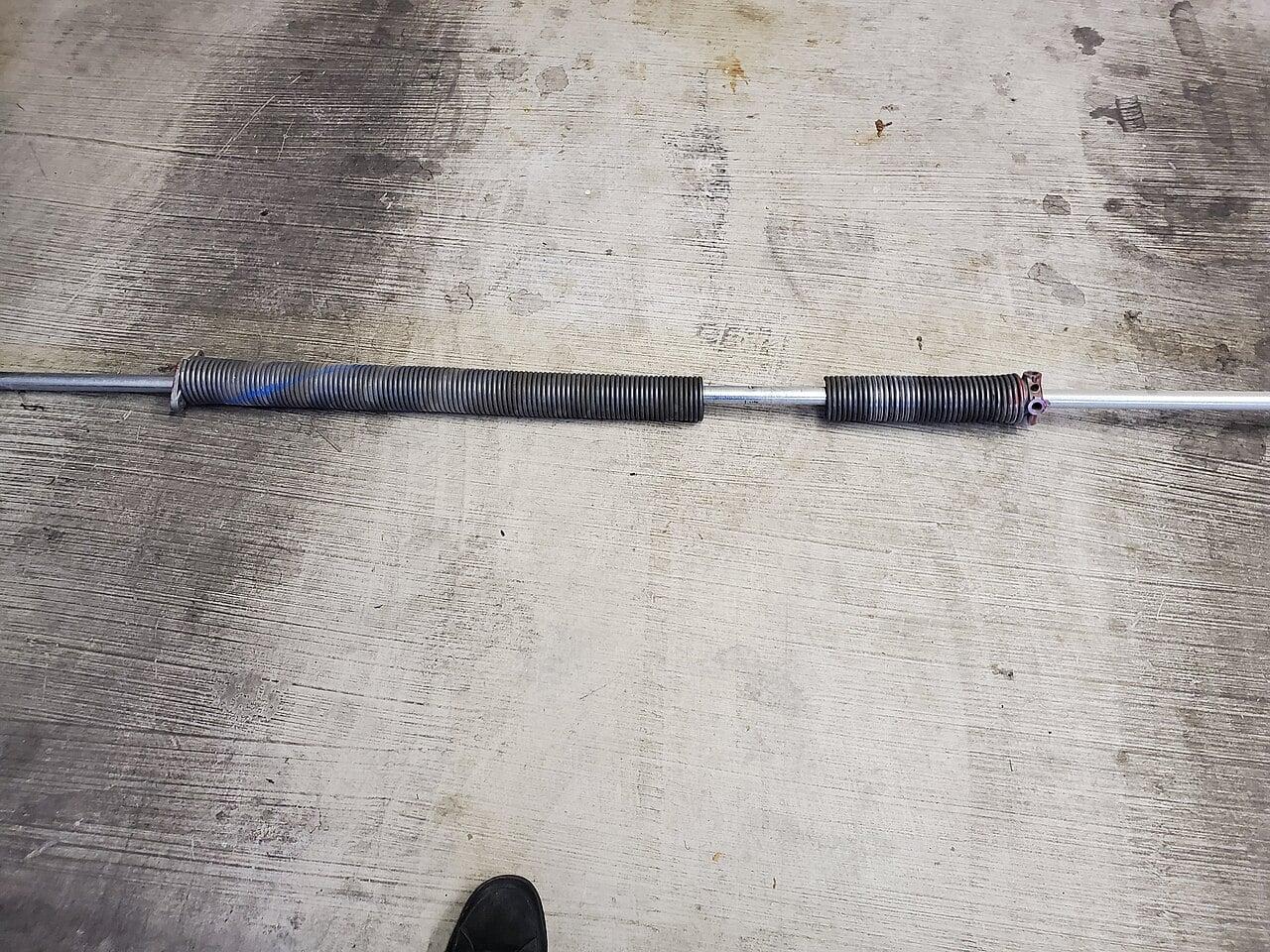
The torsion spring assembly stores enough energy to lift a heavy commercial door—often several hundred pounds—meaning any misstep during adjustment or release can result in severe injury. Cables are directly connected to this system via the drum, so working on them without first securing the spring tension is extremely hazardous. Even experienced maintenance leads should not attempt to loosen set screws on the spring anchors, turn the winding cone, or remove the cable drum without proper training and equipment. These tasks require knowledge of spring indexing, torque application, and lateral load management—skills gained through formal training, not online guides.
Frequently Asked Questions
Can I just lubricate the cable to stop rust?
Lubrication does not prevent or reverse corrosion on steel cables; it only masks the problem by trapping moisture against the metal. Effective prevention requires controlling humidity, using corrosion-resistant coatings, or replacing cables with stainless steel in extreme environments. A light application of approved cable lubricant may reduce friction, but it should never be seen as a substitute for inspection or replacement when degradation is present.
How often should I check the cables in a humid climate?
In facilities with persistent high humidity—such as those near the coast, with frequent washdowns, or lacking climate control—inspect lifting cables at least quarterly. Increase frequency if you notice operational changes like slower movement, uneven closing, or unusual noises. Document findings each time to track progression, as corrosion can accelerate rapidly once the protective coating is compromised.
Does cold weather make humidity damage worse?
Cold temperatures alone don’t increase corrosion, but the combination of cold air and moist air leads to condensation when warm, humid air meets cold door components—especially overnight. This dew point cycling creates repeated wet-dry phases that speed up electrochemical breakdown. Facilities that heat interior spaces while doors remain exposed to outside air are particularly vulnerable to this effect during winter months.