Freezing temperatures cause the grease inside a commercial overhead door centre bearing to thicken and lose lubricity, increasing friction and wear on the bearing surfaces. This can lead to metal-on-metal contact, overheating, and eventual seizure or spalling of the bearing races. The first sign is often a grinding or squeaking noise during door operation, especially at startup, followed by uneven door movement or binding in the track. In severe cases, the bearing may seize completely, preventing the door from opening or closing and placing excessive load on the motor and drive system.
Why Cold Weather Degrades Centre Bearing Performance
Centre bearings in commercial overhead doors are typically sealed ball or roller bearings packed with lithium-based grease designed for a specific temperature range. When ambient temperatures drop below -10°C, the grease viscosity increases significantly, reducing its ability to flow and replenish the lubricating film between rolling elements and races. This boundary lubrication failure increases friction, generating heat locally within the bearing housing. Over time, the increased mechanical stress causes micro-spalling on the bearing surfaces, which accelerates wear and contaminates the remaining grease with metal particles, creating an abrasive paste that further degrades performance.
What Failure Looks and Sounds Like
Early symptoms include a high-pitched squeal or grinding noise that occurs consistently during door travel, particularly when the door is moving slowly or reversing direction. As wear progresses, the noise may change to a low-frequency rumble or knocking sound. Visually, inspectors may notice grease leakage around the bearing housing, discoloration of the metal from overheating, or visible pitting on the shaft where the bearing inner race contacts it. The door may exhibit jerking motions, require higher motor current to operate, or trigger overload protection on the opener. In some cases, the door will stop mid-cycle and refuse to move until manually assisted.
What Facility Staff Can Safely Check
Before calling a technician, facility staff can perform a few basic checks. First, disconnect the door opener and manually operate the door to feel for resistance or roughness in the roller path—focus on the centre bearing area. Listen for abnormal noises during manual travel. Check for visible grease expulsion or metal shavings near the bearing seal. Verify that the door hangs level and that the centre shaft is not bent or wobbling. If the door binds only when cold but operates freely when warmed by sunlight or internal heat, temperature-related grease stiffening is likely the cause. Never attempt to disassemble the bearing or apply lubricants without proper training—over-lubrication can attract contaminants and worsen failure.
When DIY Ends and Professional Service Begins
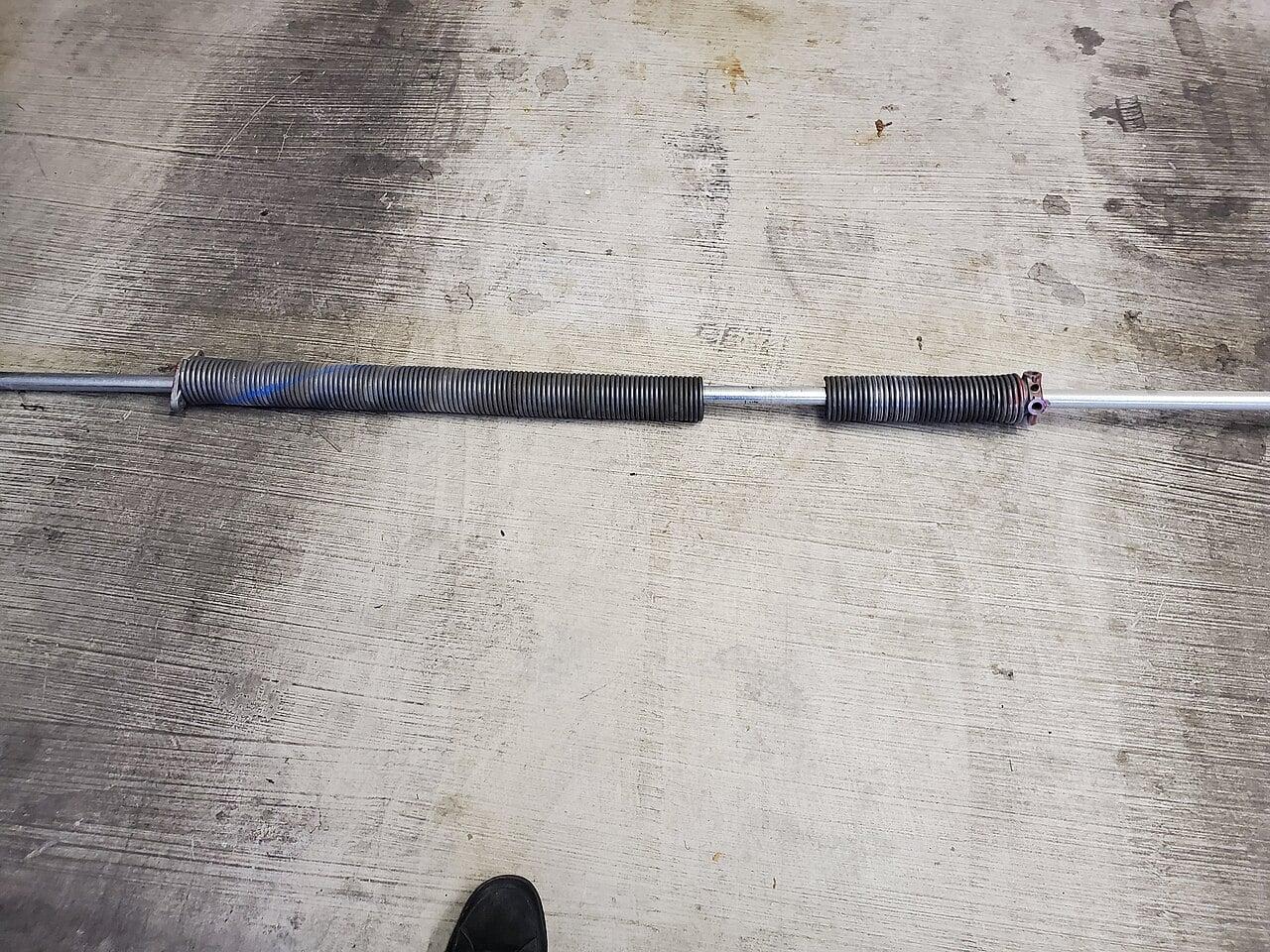
Re-lubricating a centre bearing is not a recommended DIY task for commercial overhead doors. The bearing is often under indirect load from the door’s weight and torsion spring system, and attempting to inject grease without disassembling the housing can force contaminants past seals or create hydraulic pressure that damages the seal. More critically, the centre shaft is connected to the torsion spring assembly, which stores dangerous amounts of energy. Any work that involves loosening set screws, removing the shaft, or accessing the bearing housing risks sudden release of spring tension, which can cause serious injury or death. Bearing replacement requires proper shaft alignment, torque specifications, and bearing preload adjustment—tasks that require specialized tools and training.
Why Ignoring Cold-Related Bearing Wear Leads to Bigger Problems
A failing centre bearing increases friction across the entire door system. This places extra strain on the motor, drive chain or belt, and torsion springs, accelerating wear on those components. Misalignment from bearing play can cause rollers to derail or tracks to bend. In extreme cases, a seized bearing can prevent the door from operating during an emergency, compromising safety and security. Addressing bearing wear early prevents cascading failures and reduces long-term maintenance costs. Regular inspection before winter months helps identify degraded grease or early wear before temperatures drop.
Frequently Asked Questions
Can I use a different grease to prevent cold-weather bearing failure?
Using a grease not specified by the door manufacturer can compromise bearing seals and internal tolerances. Low-temperature greases may exist, but they must match the original equipment’s NLGI grade, base oil viscosity, and additive package. Substituting without engineering approval risks seal incompatibility or inadequate load-bearing capacity.
How often should centre bearings be inspected in a BC climate?
In Metro Vancouver, where temperatures frequently hover near freezing with damp conditions, centre bearings should be inspected at least twice a year—once before winter and once in spring. Look for noise, grease condition, and smooth manual operation. High-cycle facilities may require quarterly checks.
Does door usage frequency affect how quickly cold damages the bearing?
Yes. Higher cycle counts increase the number of stress repetitions on the bearing, accelerating wear when lubrication is compromised. A door that cycles 20 times per day in freezing conditions will show bearing degradation much faster than one used only twice daily, even if both are exposed to the same temperatures.
CCGDS (604) 206-5727