A failing centre bearing on a commercial overhead door typically produces a rhythmic grinding or growling noise that synchronizes with the door’s movement, often loudest during mid-travel when the shaft is under the most lateral load. This sound differs from the sharp squeak of dry rollers or the slap of a loose cable because it originates from metal-on-metal contact inside the bearing housing as the shaft wobbles or binds. The noise may start intermittently—only during cold starts or after prolonged operation—but becomes constant as wear progresses, sometimes accompanied by vibration felt through the wall or header where the bearing is mounted.
How the Centre Bearing Functions in the System
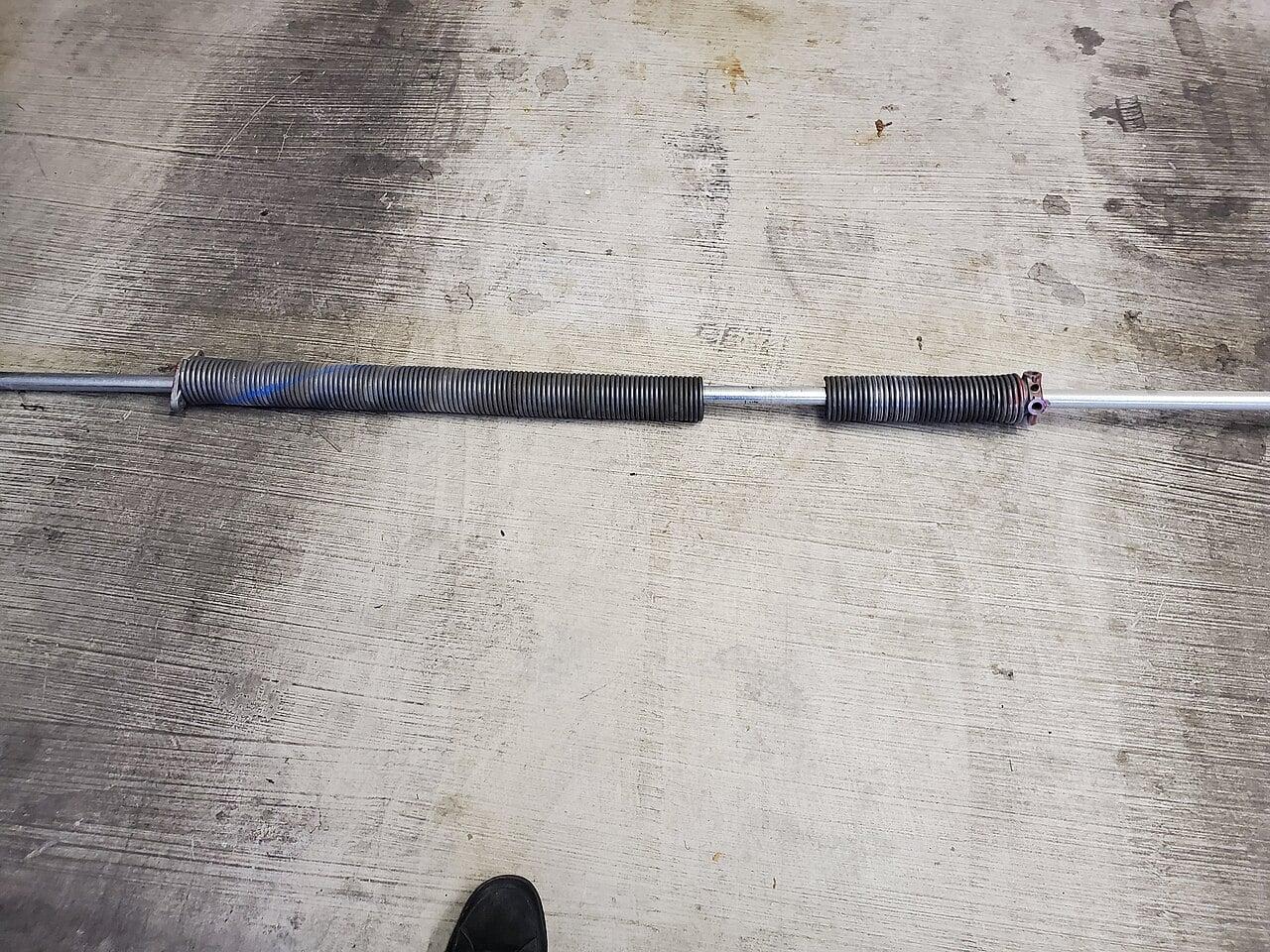
The centre bearing supports the torsion shaft at the midpoint of the door width, preventing deflection under the combined weight of the door panels and the torque from the springs. It is usually a sealed ball or roller bearing pressed into a steel bracket bolted to the building header. Its job is to allow the shaft to rotate freely while maintaining alignment so the drums, cables, and door remain synchronized. When the bearing wears, the shaft can drop or tilt, causing the drums to move out of plane. This misalignment makes the cables drag unevenly and increases friction at the bearing point, which is what creates the audible symptom.
Common Causes of Bearing Failure
Centre bearings fail primarily due to lubrication breakdown, contamination, or overload. In industrial environments, dust, debris, or moisture can penetrate the seal over time, washing out grease and introducing abrasives that accelerate pitting on the races or rollers. Misalignment from a sagging header, uneven spring tension, or a bent shaft increases side loading on the bearing, which it is not designed to handle continuously. Over-tightening the bearing bolts can also distort the housing and bind the internal elements. Unlike torsion springs, the bearing itself does not store energy, but its failure can lead to secondary hazards if the shaft drops and cables lose tension.
What the Failure Sounds and Feels Like
Listen for a low-frequency growl that changes pitch with door speed—slower when the door moves slowly, faster in rapid operation. It may sound like a worn wheel bearing on a vehicle: a consistent, load-sensitive noise that disappears when the door is stationary. As wear advances, the sound may evolve into a metallic knocking if the shaft begins to impact the bearing housing. You might also notice the door jerking or hesitating at certain points in its travel, or see visible wobble in the shaft when the door is open. Unlike a broken spring, which produces a sudden loud bang and renders the door inoperable, bearing failure degrades gradually.
What You Can Safely Check Yourself
With the door locked out and disabled, visually inspect the centre bearing bracket for loose bolts, cracks, or signs of grease leakage around the seal. Shine a light on the shaft where it passes through the bearing—look for rust, scoring, or excessive play. Try to wiggle the shaft side-to-side; any noticeable movement indicates wear. Listen as you manually rotate the shaft (if safe to do so) for roughness or grinding. Do not attempt to disassemble the bearing or apply lubricant while the door is under tension. If you observe metal shavings, hear internal roughness, or detect shaft movement, stop and contact a technician—continued operation risks cable derailment or shaft drop.
When to Call a Professional Technician
Any confirmed bearing wear requires replacement, which involves lowering the torsion shaft to relieve load on the bearing—a procedure that exposes the technician to stored spring energy. Even if the springs are not being touched, supporting the shaft while unbolting the old bearing and installing the new one demands proper tools and control to prevent sudden movement. A technician will also inspect the shaft for straightness, check drum and cable alignment, and verify header integrity before reinstalling. Lubricating a noisy bearing without addressing wear is a temporary mask; it does not restore lost precision and can attract more contaminants.
Frequently Asked Questions
Can I lubricate the centre bearing to stop the noise?
Lubricating a sealed centre bearing is generally ineffective because the internal components are not accessible without disassembly, and adding grease to the outside does not penetrate worn races or rollers. If the bearing is noisy from internal wear, lubrication will not fix the underlying pitting or brinelling. In some cases, applying lubricant can attract dust and accelerate further contamination.
How long does a centre bearing typically last in a commercial setting?
Lifespan varies widely based on usage, environment, and maintenance. In a clean, low-cycle industrial facility, a quality sealed bearing may last 8–10 years. In high-cycle, dusty, or moist environments—such as food processing or woodworking shops—failure can occur in 3–5 years due to seal degradation and abrasive ingress.
Is a noisy centre bearing dangerous if the door still opens and closes?
While not an immediate hazard like a broken spring, a failing bearing can lead to cascading issues: uneven cable wear, drum misalignment, or eventual shaft drop if the bearing seizes or disintegrates. Continued operation increases the risk of sudden cable slack or door imbalance, which could result in uncontrolled movement or component failure during operation.