A commercial overhead door that reverses before fully closing is most often caused by excessive friction or binding in the centre bearing assembly, which tricks the opener’s safety system into detecting an obstruction. The centre bearing supports the torsion shaft and carries the full rotational load of the door; when it wears, seizes, or becomes misaligned, it increases resistance to shaft rotation. This added load is interpreted by the opener’s torque sensor as an obstacle in the door’s path, triggering the reverse function even when nothing is physically blocking the door. The issue typically presents as the door closing partway—often 6 to 12 inches from the floor—then immediately reversing to the open position, sometimes with a straining or groaning noise from the motor unit.
How the Centre Bearing Affects Door Operation
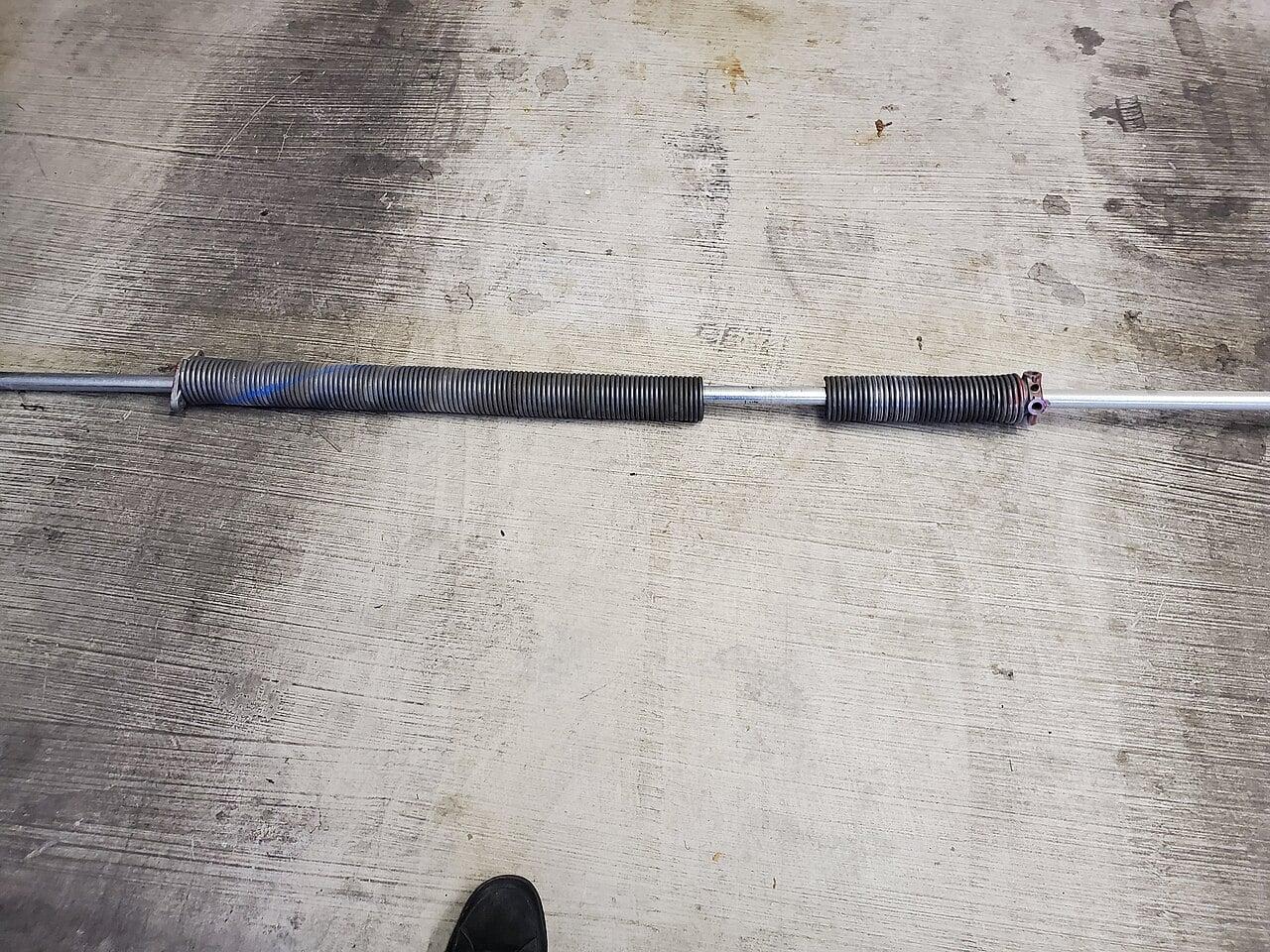
The centre bearing is a critical load point in a torsion spring system. It is a sealed or greaseable unit mounted to the header bracket, through which the torsion shaft passes. The shaft transfers torque from the springs to the cable drums and ultimately lifts the door. When the bearing fails, the shaft cannot rotate freely. This creates drag that the opener’s motor must overcome. Modern commercial operators monitor motor current draw; if it exceeds a preset threshold during closing, the system assumes an obstruction and reverses to prevent damage or injury. Worn bearings, lack of lubrication, or corrosion increase this drag progressively, so the problem worsens over time rather than appearing suddenly.
Symptoms of a Failing Centre Bearing
Listen for a high-pitched squeal or grinding noise coming from the centre of the header when the door is in motion—this often indicates metal-on-metal contact or dried grease inside the bearing. You may also notice the door moves unevenly or jerks during travel, particularly near the bottom of the close cycle. Visually, inspect the bearing housing for signs of grease leakage, rust, or visible wobble in the torsion shaft when the door is stationary. If the shaft can be moved laterally by hand more than a few millimetres, the bearing is likely worn. In some cases, the door may close normally when operated manually but reverse under motor power, confirming the issue is load-related rather than a spring or cable problem.
What You Can Safely Check Yourself
Before calling a technician, verify that nothing is physically obstructing the door’s path—check the floor sweep, weather seal, and tracks for debris or damage. Ensure the photo-eye sensors are aligned and their lenses are clean; misaligned or dirty sensors can also cause reversals, but this usually happens earlier in the close cycle and lacks the mechanical strain noise. With the door disengaged from the opener (pull the emergency release cord), manually lift and lower the door. It should move smoothly with minimal resistance. If it binds or feels stiff at the same point where the motor reverses, the issue is mechanical—likely the centre bearing, hinges, or rollers. Do not attempt to disassemble or adjust the bearing while the door is under spring tension.
When the Problem Is Not the Centre Bearing
If the door reverses immediately upon starting to close, or reverses intermittently without pattern, the issue may be in the opener’s force settings, limit switches, or wiring. A door that reverses only when closing from the fully open position but closes normally from a partial open may indicate a limit switch drift. Intermittent reversals tied to weather changes often point to contracting or expanding metal affecting track alignment. None of these involve the centre bearing directly, but they can mimic similar symptoms. Always rule out basic electrical and alignment issues before assuming a mechanical failure at the bearing point.
Why DIY Repair Is Risky Here
Replacing a centre bearing requires releasing the tension from the torsion springs to remove the shaft. Torsion springs store enough energy to cause serious injury or death if mishandled. Even experienced technicians use specialized tools like winding bars and follow strict procedures to control the release of this energy. Attempting to remove the shaft or bearing without first securing and unwinding the springs is extremely hazardous. Lubricating an accessible bearing with a approved grease (such as lithium-based NLGI #2) is something a facility lead can do safely, but any disassembly, adjustment, or replacement of the bearing assembly must be performed by a qualified door technician.
Frequently Asked Questions
### Can a bad centre bearing cause the door to open slowly as well?
Yes, increased drag from a failing bearing affects both opening and closing cycles, though the opener’s safety reverse function is only active during closing. You may notice slower opening speed or the motor straining more than usual when lifting the door.
How often should centre bearings be greased on a commercial door?
For high-cycle doors in warehouses or loading docks, grease the centre bearing every 3 to 6 months using a manufacturer-approved lubricant. Low-cycle doors may only need annual service, but inspection should occur quarterly to check for noise, play, or leakage.
Will reversing due to a bearing issue damage the opener over time?
Repeated reversals cause the opener’s motor and drive gear to cycle under load, accelerating wear. Continued operation with excessive bearing drag can overheat the motor or strip the drive gear, leading to more costly repairs than addressing the bearing early.