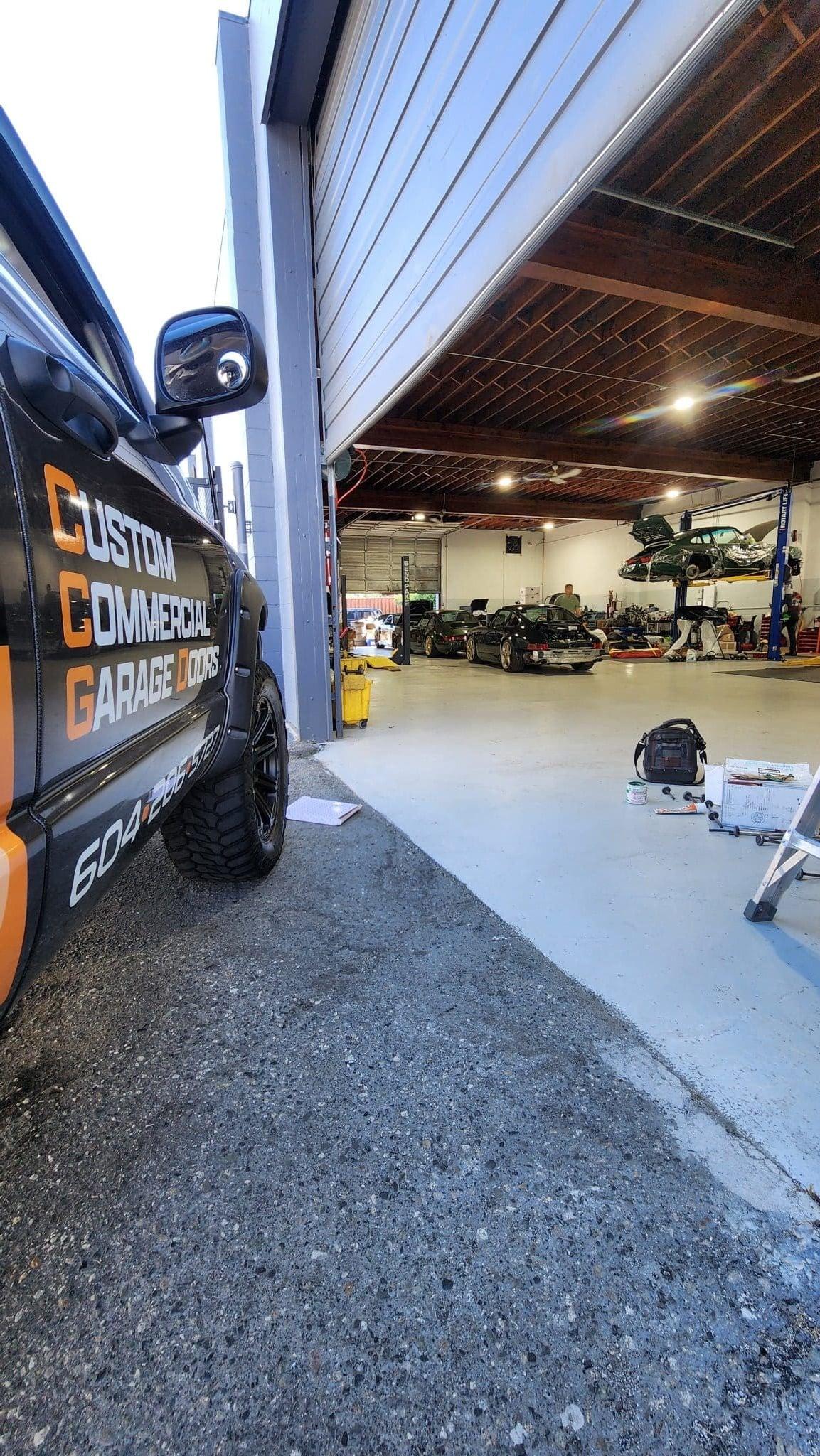
A commercial overhead door that shakes during operation usually indicates a mechanical issue with moving components rather than the door panel itself. The shaking is often rhythmic and tied to the door’s travel, worsening at certain points in the cycle, and may be accompanied by grinding or squeaking noises. Ignoring it can accelerate wear on hardware and lead to sudden failure, especially in high-cycle facilities like warehouses or loading docks.
Worn or Damaged Rollers
Rollers guide the door along the track and are subject to constant friction and load. Steel rollers with worn bearings or cracked nylon rollers can bind or skip, causing the door to jerk or shake as it moves. Inspect rollers for flat spots, seized movement, or visible cracking. If the door shakes primarily in the vertical sections and the rollers feel rough when spun by hand, replacement is likely needed. Nylon rollers are quieter but degrade faster under heavy use; steel is more durable but requires lubrication.
Misaligned or Bent Tracks
Tracks must remain parallel and plumb for smooth operation. Impact from forklifts, shifting building structure, or loose mounting brackets can cause tracks to bend or drift out of alignment. When the door encounters a misaligned section, the rollers may jump or bind, creating a shudder. Check track alignment with a level and look for gaps between the roller and track flange. Do not attempt to bend tracks back—this risks weakening the metal or worsening the misalignment. Loose mounting bolts should be tightened only if the track is confirmed to be in correct position.
Loose or Worn Hinges
Hinges connect door sections and allow them to flex as the door curves around the track. Over time, hinge bolts can loosen or the hinge barrels can wear, creating play between sections. This play accumulates during movement, causing the door to shake or shimmy, especially near the top where leverage is greatest. Inspect hinges for side-to-side movement in the barrel or elongated bolt holes. Tighten bolts to manufacturer torque if loose, but replace hinges if the barrel is worn or the hinge leaf is cracked.
Imbalanced Door or Spring Issues
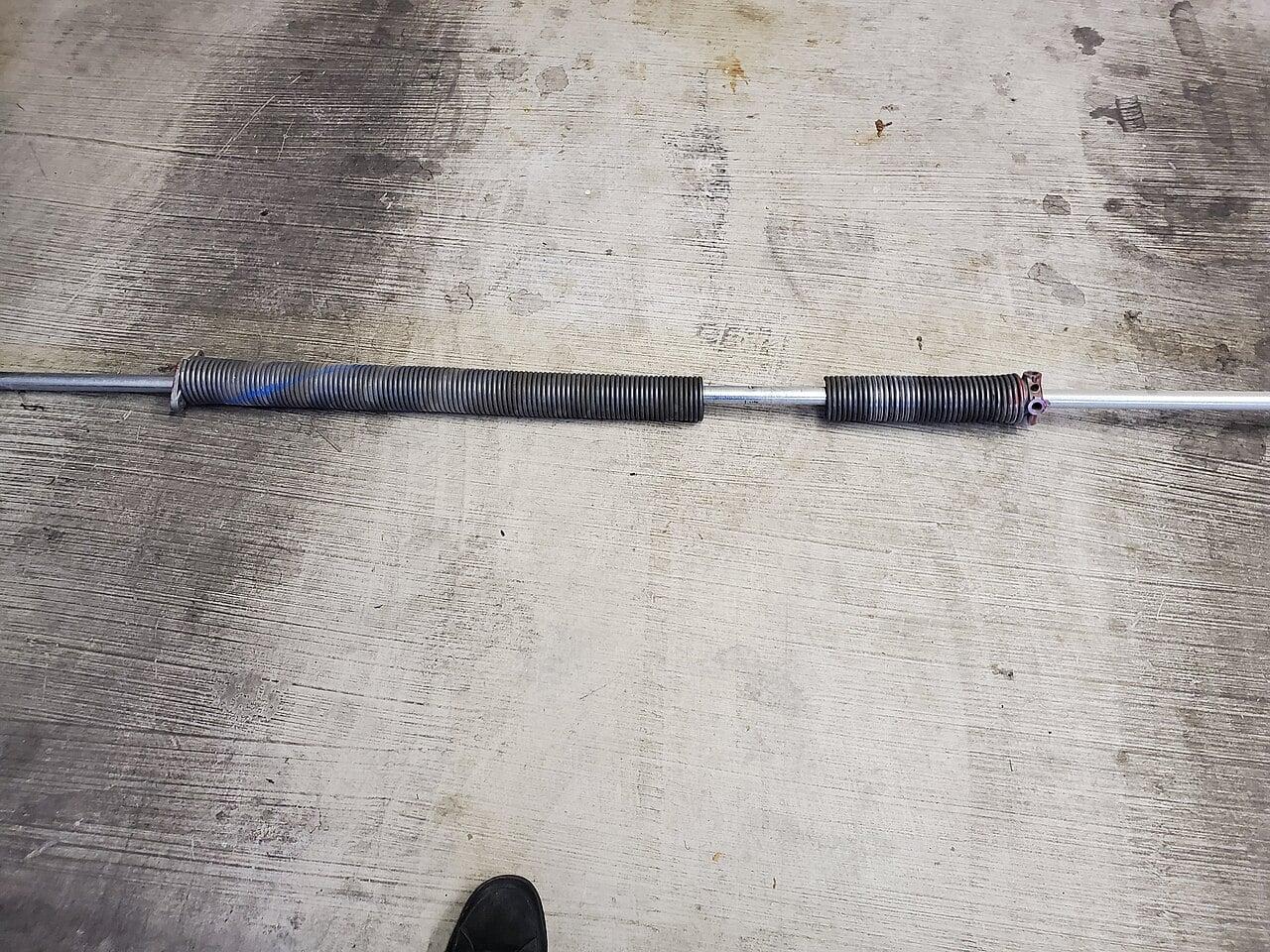
If the door is not properly balanced, the opener or manual force must compensate, leading to uneven movement and shaking. A door that sags on one side or requires excessive force to lift may have a broken torsion spring, uneven spring tension, or a damaged cable. Torsion springs store dangerous levels of energy and must only be adjusted or replaced by trained technicians. Never attempt to inspect or adjust springs while the door is under tension. Visually check for gaps in the spring coil or frayed cables—these require immediate professional service.
Opener Drive System Problems
In electrically operated doors, a failing drive chain, belt, or gear reducer can cause vibration that transfers to the door. A loose chain will slap against the rail, while worn sprockets or motor mounts can create cyclic shaking synchronized with the motor shaft. Listen for rhythmic clunking or whining from the opener unit. Check chain tension (approximately 1/4 inch of deflection mid-span) and inspect motor mounting bolts. Internal gear wear requires disassembly and is not a field-serviceable item for most facility staff.
What You Can Safely Check
Facility personnel can inspect rollers, hinges, and track mounting bolts for obvious wear or looseness. Lubricate rollers, hinges, and pivot points with a silicone-based door lubricant—not grease, which attracts debris. Clean tracks with a damp cloth to remove buildup. Operate the door manually (disconnect opener) to isolate whether the shaking originates in the door hardware or the opener system. If shaking persists when operated by hand, the issue is in the door’s mechanical assembly.
When to Call a Technician
Any suspicion of spring damage, cable wear, track bending, or internal opener failure requires a qualified technician. Torsion spring systems are high-risk and improper handling can result in serious injury. If the door binds, shakes violently, or shows signs of cable fraying or spring separation, discontinue use and schedule service. CCGDS provides diagnostic and repair services for commercial overhead doors across Metro Vancouver. Contact them at (604) 206-5727.
Frequently Asked Questions
Can lubrication alone fix a shaking overhead door?
Lubrication reduces friction and may temporarily improve smoothness if components are dry but intact. It will not correct worn rollers, bent tracks, or loose hinges—those require adjustment or replacement. Over-lubricating can attract dirt and worsen buildup in tracks.
Is it safe to operate a shaking door if it still opens and closes?
Continued use increases stress on components and raises the risk of sudden failure, such as a cable snap or roller detachment. If shaking is pronounced or worsening, limit operation and have it inspected to prevent collateral damage or safety hazards.
How often should commercial door hardware be inspected?
High-cycle facilities should inspect rollers, hinges, and track fasteners monthly. Springs and cables require visual quarterly checks by trained staff, with professional adjustment annually or per manufacturer cycle rating. Immediate inspection is advised after any impact or unusual noise.