A failing commercial overhead door panel typically produces distinct noises that point to specific mechanical issues. You’ll hear rhythmic creaking or groaning during travel, sudden sharp bangs when the door hits resistance, or persistent rattling that changes with speed. These sounds aren’t random—they’re symptoms of wear, misalignment, or component fatigue. Ignoring them risks sudden failure, safety hazards, or costly secondary damage to tracks, operators, or surrounding structures.
Common Sounds and What They Mean
Creaking or groaning that repeats with each cycle usually indicates dry or worn rollers. Steel rollers in high-use facilities degrade faster than nylon, especially when lubrication breaks down. The noise comes from metal-on-metal friction in the roller shaft or where the roller contacts the track. If the sound is localized to one side, inspect that roller assembly first. Rust or flat spots on the roller surface will amplify the noise.
A loud bang or clunk at the same point in the door’s travel often means a panel is sagging or dragging on the track. This happens when hinges loosen, allowing the panel to drop slightly. As the door moves, the bottom edge catches on the track flange or a bolt head, releasing with a snap. Check hinge bolts for play—if you can wiggle the panel side-to-side by hand, the hinges need tightening or replacement. Do not operate the door if dragging is severe; it can bend tracks or crack panels.
Rattling that vibrates through the door frame typically points to loose hardware. Track bolts, strut screws, or even the operator mounting can vibrate loose over time. The sound is higher-pitched than creaking and may only appear at certain speeds. Use a wrench to check all accessible fasteners on the door and track—look for shiny metal around bolt heads, which indicates recent movement. Tighten to manufacturer specs; over-tightening strips threads or distorts thin gauge track.
How Panel Alignment Affects Noise
When a panel twists or bows, it changes how it sits in the track. A top corner pulling inward creates a scraping sound as the panel edge rubs the track inside flange. A bottom corner pushing out causes the roller to climb slightly, producing a chirp or squeak. You can test alignment by disconnecting the operator and lifting the door manually. It should move smoothly with minimal resistance. If one panel binds or tilts as it moves, the hinges or struts on that panel are likely failing. Visual gaps between panels or uneven reveal where sections meet confirm misalignment.
The Role of Weather Seals and Bottom Edges
A worn or compressed bottom seal doesn’t usually create noise on its own, but it allows the door to sit lower than designed. This changes the geometry of the entire panel stack, increasing stress on hinges and rollers. Listen for a new scraping sound at the floor—especially if the seal is torn or missing. Replace seals that are hard, cracked, or no longer flexible. A door that drags on the seal will overload the motor and accelerate roller wear.
When Noise Indicates Immediate Danger
Never ignore a sudden, loud snap or pop during operation. This can signal a fractured hinge, cracked panel, or failed strut. These components are under constant stress; a failure can cause a panel section to detach or the door to bind violently. If you hear this, stop using the door immediately. Secure it in the open or closed position if safe to do so, and isolate the operator. Do not attempt to realign or force the door—stored energy in the springs makes this hazardous.
What You Can Safely Check Yourself
You can inspect rollers for wear, check hinge tightness, and look for visible damage to panels or struts. Listen with the door disconnected from the operator to isolate mechanical noise from motor sounds. Lubricate rollers and hinges with a silicone-based spray—avoid WD-40, which attracts dirt and doesn’t last. Clean tracks with a degreaser and check for dents or bends that could cause rubbing.
What Requires a Professional
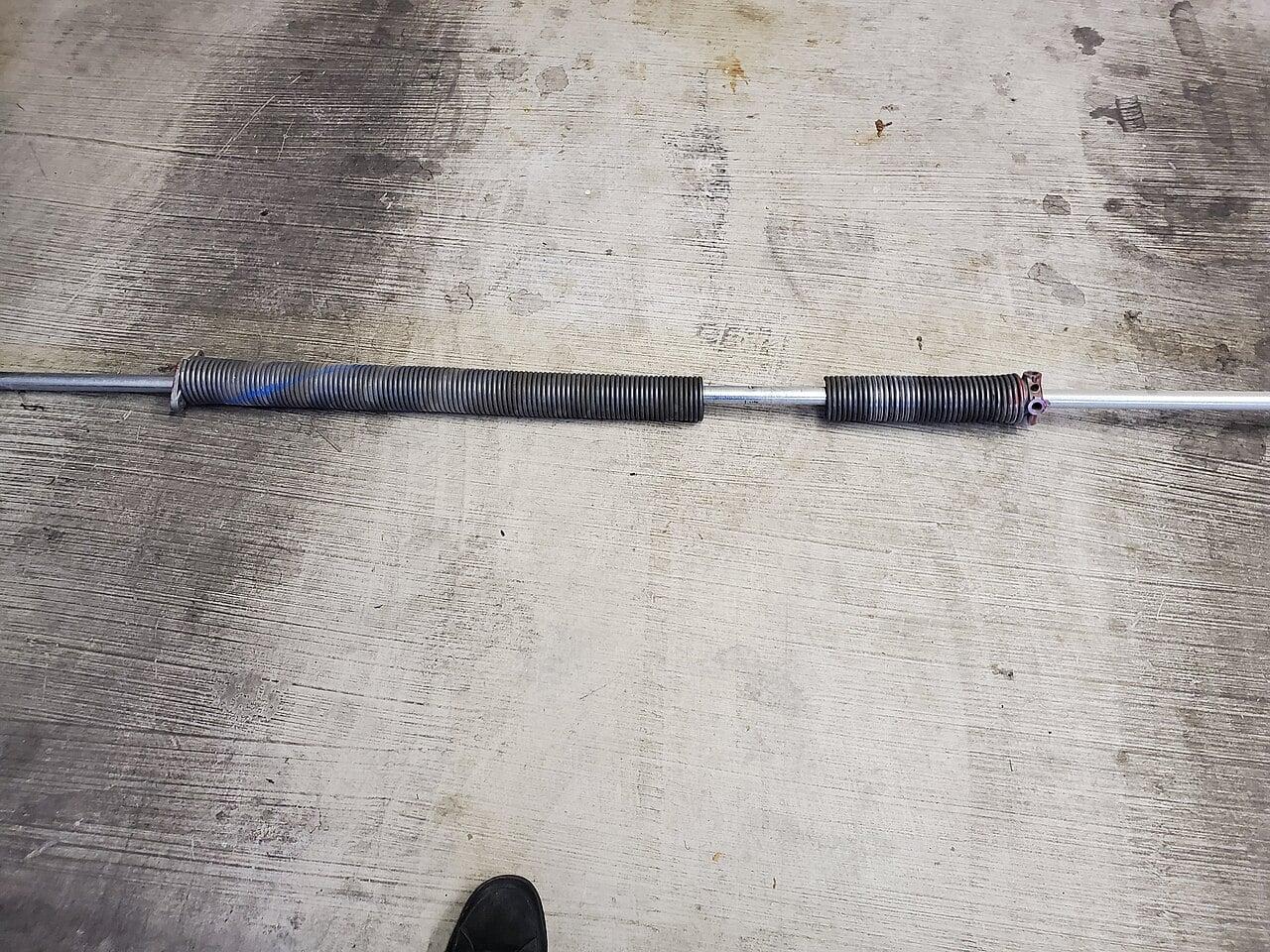
Any issue involving torsion springs, cable drums, or the spring shaft is not a DIY task. These systems store lethal amounts of energy. If the noise is accompanied by uneven lifting, the door jumping the track, or visible spring gaps, call a technician. Similarly, if panel replacement is needed—especially on insulated or fire-rated doors—proper handling and reinstallation require expertise to maintain safety ratings and operational integrity.
Frequently Asked Questions
Is it normal for a new door to make noise during break-in?
Some operational sound is expected as components seat, but loud creaking, banging, or rattling is not normal. New doors should move smoothly and quietly after initial lubrication. Persistent noise indicates improper installation, incorrect spring tension, or defective parts.
Can cold weather make door noise worse?
Yes. Metal contracts in low temperatures, increasing friction in rollers and hinges. Lubricants thicken, reducing their effectiveness. Noise that appears or worsens in winter often resolves with proper cold-weather lubrication and hardware inspection.
How often should I listen for changes in door sound?
Incorporate a 30-second operational listen into monthly preventive maintenance. Operate the door fully open and closed, standing to the side. Note any new or changing sounds. Early detection prevents minor wear from escalating to failure or safety incidents.