A failing torsion spring on a commercial overhead door typically produces a loud, sharp bang or report, similar to a firecracker or gunshot, when it breaks under tension. This sound occurs because the spring, which stores significant mechanical energy to counterbalance the door’s weight, suddenly releases that energy in a catastrophic failure. Unlike gradual wear noises, this is an instantaneous, high-energy event that often startles anyone nearby and may be followed by the door dropping unevenly or slamming shut if not restrained by other safety devices. Recognizing this sound is critical for safety, as a broken spring can render the door inoperable and create hazardous conditions if someone attempts to operate it.
How Torsion Springs Store and Release Energy
Torsion springs are mounted horizontally above the door opening and wound tightly to store rotational energy. When the door closes, the springs wind up, absorbing energy; when it opens, they unwind, releasing that energy to lift the door. This system balances the door’s weight, often several hundred pounds, so the opener or manual force only needs to overcome friction and inertia. The springs are calibrated to the door’s specific weight, track radius, and cable drum size. Over time, metal fatigue from repeated cycling causes microscopic cracks to form in the spring wire. These cracks propagate until the wire can no longer withstand the torsional stress, resulting in a sudden, brittle fracture.
The Sound of Failure: What You’ll Hear
When a torsion spring fails, the release of stored energy causes the spring to unwind violently in a fraction of a second. This rapid motion generates a sharp, explosive bang—often described as a loud pop, crack, or report—that transmits through the door structure and building frame. In some cases, if the spring is fragmented, you may hear a secondary rattling or clattering as pieces shift inside the spring anchor or cone. Unlike the gradual squeaking or grinding of worn rollers or bearings, this sound is instantaneous and singular. It is not a rhythmic noise; it is a single, high-intensity event that marks the point of fracture. If multiple springs are present (common on wider doors), only one may fail initially, but the sound is still unmistakable.
Visual and Operational Signs After the Break
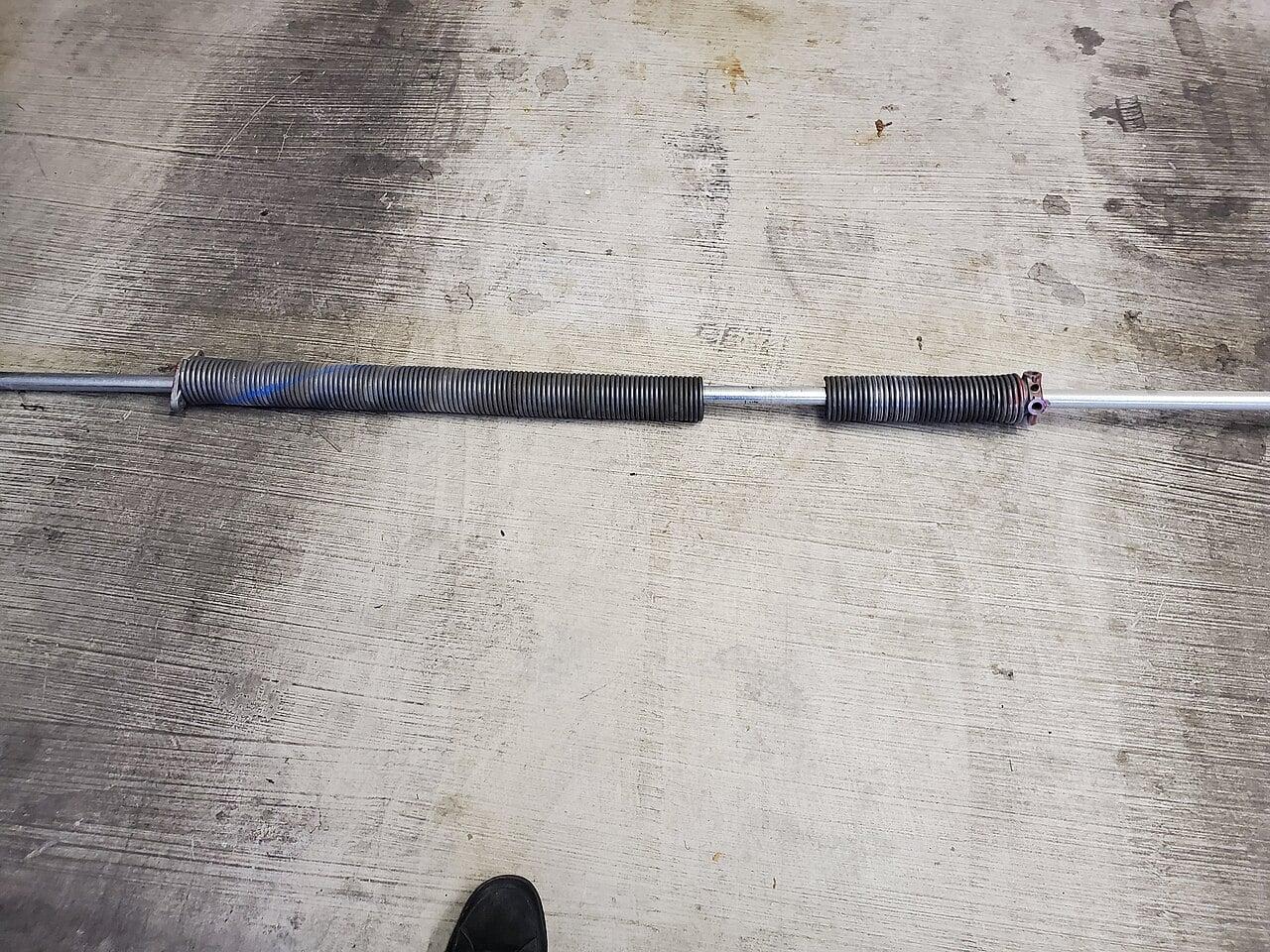
After the bang, inspect the spring assembly. A broken torsion spring will show a clear gap in the coils, usually where the wire has snapped. The spring may be in two pieces, or one end may be detached from the anchor bracket or center cone. The door may appear uneven when closed, with one side lower than the other, because the unbroken spring (if present) is still trying to lift its share of the load. Attempting to operate the door may result in heavy resistance, jerking motion, or the door failing to stay open. In some cases, the cables may slip off the drums or become slack due to sudden loss of tension. Do not attempt to manually lift or close the door after hearing this sound—it can fall rapidly and cause injury or damage.
What You Can Safely Check Yourself
You can visually inspect the torsion spring system for signs of wear before failure occurs. Look for rust, corrosion, or gaps between coils when the door is in the closed position (springs are under maximum tension then). Listen for unusual creaking or groaning during operation, which may indicate binding or fatigue, though these are not reliable predictors of imminent breakage. Check that the spring is properly seated in the anchor bracket and that the center cone is secure. Never attempt to touch, adjust, or wind the spring—any tool applied to the winding cones can release stored energy explosively. If you suspect wear or hear abnormal noises, document the symptoms and contact a qualified technician. Lubrication of the spring wire with a silicone-based spray can reduce friction and corrosion but does not extend fatigue life.
Why DIY Repair Is Extremely Dangerous
Torsion springs store energy equivalent to lifting the door’s weight—often 500 to 2,000 pounds or more—rotated into torque. Attempting to adjust, remove, or replace a torsion spring without proper training and equipment risks sudden release of this energy. The winding cones can spin at high speed, turning steel bars into projectiles. Serious injury or death has occurred from improper handling. Even releasing tension on a seemingly intact spring is hazardous if done incorrectly. Professionals use winding bars, torque-limiting tools, and strict procedures to control energy release. The door’s weight, cable tension, and spring alignment must be managed simultaneously. This is not a task for handymen, maintenance staff, or online tutorials—it requires specific certification and experience with high-tension systems.
When to Call a Professional Technician
If you hear the characteristic bang of a failing spring, observe a gap in the spring, or notice the door operating unevenly or with excessive strain, stop using the door immediately. Isolate the area if possible, and contact a commercial door service provider. Technicians will verify the spring failure, check for related damage to cables, drums, or bearings, and replace the spring with one correctly sized for the door’s specifications. They will also balance the door, test safety features, and lubricate moving parts. Annual inspections can identify early signs of wear, but torsion spring fatigue is unpredictable—replacement based on cycle count (typically 10,000 to 20,000 cycles) is the most reliable preventive measure.
Frequently Asked Questions
### Can a torsion spring fail without making a loud bang?
While the loud report is typical of a sudden, complete fracture, some springs may fail gradually due to corrosion or end detachment, producing less noise. However, a loss of tension or uneven door movement usually accompanies these failures, and the energy release is still hazardous if the spring is disturbed.
How long do torsion springs last on commercial overhead doors?
Lifespan is measured in cycles, not time. Most commercial torsion springs are rated for 10,000 to 20,000 cycles (one cycle = one open and close). High-use facilities may reach this in 2–3 years; low-use sites may take longer. Environmental factors like humidity and temperature swings can accelerate fatigue.
Is it safe to operate the door if I suspect a spring is weak but haven’t heard a bang?
No. A weakened spring can fail at any time under load. Continued use increases the risk of sudden breakage and may cause additional damage to the opener, cables, or tracks. Have the system inspected before further use.