Coastal salt air accelerates the deterioration of commercial overhead door weather seals by depositing chlorides on rubber and vinyl components, which then draw moisture and break down polymer chains through oxidative degradation. This process is worsened by wind-driven spray and frequent temperature cycling common in Metro Vancouver’s coastal zones. The first sign is often a stiff, cracked seal that no longer compresses evenly against the door frame, leading to air leaks, water ingress, and increased energy loss. You’ll hear increased wind noise during storms or notice daylight visible along the bottom or sides of the door when it’s closed. Over time, the seal may harden, flake, or pull away from its retainer, especially at the corners where stress concentrates.
How Salt Chlorides Attack Seal Materials
Rubber and vinyl weather seals are formulated with plasticizers and stabilizers to maintain flexibility. When salt-laden air settles on these surfaces, chloride ions penetrate the material and disrupt the cross-linked polymer structure. This causes embrittlement as plasticizers leach out and stabilizers degrade. The process is electrochemical: chlorides act as catalysts in oxidation reactions, especially when combined with UV exposure and wet-dry cycles. In sheltered areas like door tracks or seal retainers, salt can accumulate in crevices, creating localized corrosion points that spread under the seal’s surface. Unlike surface dirt, this degradation happens beneath the visible layer, so wiping the seal clean doesn’t reverse the damage.
What Failure Looks and Sounds Like
A failing seal due to salt exposure doesn’t just wear thin—it changes behavior. You’ll notice the door doesn’t seal flush; there may be a consistent gap of 3-6 mm along the jamb or header. During windy conditions, you’ll hear a whistling or fluttering noise as air forces its way through micro-tears. Water streaks or mineral deposits (white, chalky residue) on the interior side of the seal indicate moisture is getting trapped and evaporating, leaving behind salts. In freezing conditions, a hardened seal can crack audibly when the door cycles, and ice may form in the gap because warm, moist interior air meets the cold exterior surface. These symptoms worsen after winter storms or periods of high humidity with onshore winds.
What You Can Safely Inspect Yourself
Facility staff can check for salt-related seal degradation without tools. Close the door and visually inspect the seal along all four sides—look for cracking, flattening, or sections that have pulled out of the retainer. Run a gloved hand along the seal; it should feel pliable, not brittle or sticky. Shine a flashlight at a low angle to highlight surface fractures. Try to insert a thin piece of cardboard (like a file folder) between the seal and the frame—if it slides in easily with little resistance, the seal isn’t compressing properly. Listen during operation: any new squeaking, grinding, or air noise warrants attention. Never attempt to adjust or remove the seal if it’s held under tension by the door’s movement or if it’s integrated with a bottom bar that connects to lifting cables.
When DIY Repair Isn’t Safe or Effective
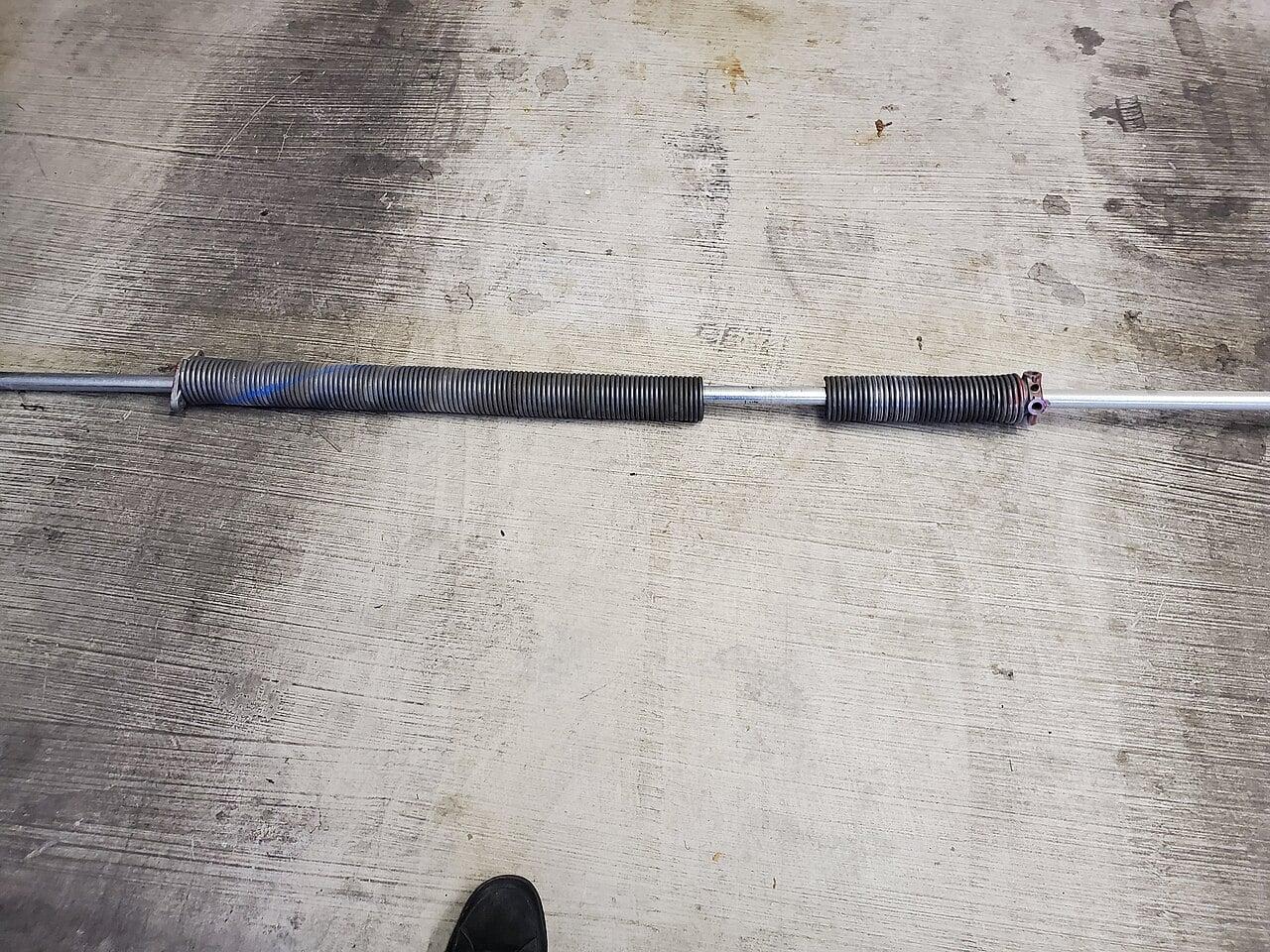
Replacing a weather seal seems simple, but on commercial overhead doors, the seal is often part of a bottom bar assembly that bears load or interfaces with safety edges. If the seal is retained in an aluminum extrusion that’s bolted to the door panel, removal requires supporting the door’s weight—never rely on the opener alone. More critically, if the door has torsion springs (standard on most commercial units), any work near the bottom brackets or lift cables risks sudden release of stored energy. These springs can generate over 1,000 pounds of force; a slipping wrench or released cable can cause severe injury. Even if the seal itself is non-structural, disturbing the bottom bar can misalign the door or damage the safety photocells. If you’re unsure how the seal is attached or whether springs are present, stop and consult a technician.
Preventive Measures for Coastal Environments
In salt-exposed areas, choose seals made from EPDM rubber or marine-grade vinyl with UV inhibitors and chloride resistance—these outperform standard nitrile or PVC. Clean seals quarterly with fresh water and a mild detergent to remove salt buildup; avoid petroleum-based solvents that degrade rubber. Apply a silicone-based protectant (not petroleum jelly) to maintain flexibility, but only after cleaning and drying. Inspect after every major storm and lubricate hinges and rollers separately—never lubricate the seal face, as it attracts dirt and reduces compression. Keep the door balanced; an imbalanced door puts uneven pressure on the seal, accelerating wear on one side. Schedule annual professional inspections to check spring tension, track alignment, and seal integrity as part of a full door service.