Freezing temperatures cause lubricants in commercial overhead door roller assemblies to thicken or seize, increasing friction between the roller and the track. This added resistance strains the door operator, accelerates wear on bearings and shafts, and can lead to rollers flat-spotting or cracking under load. The first sign is often a grinding or squealing noise during operation, especially at the start of a cycle when the door is cold. You may also notice the door moving unevenly or hesitating at certain points along the track. Inspect the rollers visually for flat spots, cracks, or missing pieces, and listen for abnormal sounds when cycling the door manually with the operator disengaged. Check that the track is clear of ice or debris buildup, which can exacerbate roller binding. Lubrication is the primary DIY-safe maintenance task—use a silicone-based or low-temperature synthetic lubricant designed for door hardware, applying it sparingly to the roller bearings and shaft while avoiding contact with the door surface or tracks. Never attempt to disassemble the roller shaft or adjust torsion springs, as these components store dangerous amounts of energy and require specialized tools and training. If rollers show visible damage, binding persists after lubrication, or the door fails to operate smoothly, contact a qualified technician. Regular inspection before winter and after extreme cold snaps helps catch wear early and prevents unexpected downtime.
Roller Material Behavior in Sub-Zero Conditions
Steel and nylon rollers respond differently to cold. Steel rollers contract slightly, which can tighten their fit in the track and increase friction if lubrication is inadequate. Nylon rollers become more brittle and prone to cracking under impact or side-loading, especially if they are old or have absorbed moisture that freezes internally. Both materials experience reduced elasticity in their bearings or bushings, which diminishes their ability to absorb shock and maintain smooth rotation. In prolonged cold, moisture that penetrated seals during warmer months can freeze inside the roller assembly, expanding and causing internal damage or seizing the bearing. This is why rollers that functioned adequately in fall may fail suddenly in January, even without apparent external damage.
Track and Environmental Contributors
Ice accumulation in the vertical or horizontal tracks creates physical barriers that rollers must overcome, effectively increasing the load on the door system. This is not a roller failure per se, but it mimics one by forcing the motor to work harder and causing rollers to skid or flat-spot against icy surfaces. Snow melt refreezing overnight often leaves a thin, hard layer of ice that is difficult to see but sufficient to bind rollers. Condensation from temperature swings inside unheated warehouses can also freeze on tracks and rollers overnight. Keeping the area around the door clear of snow drift and ensuring proper drainage away from the threshold reduces ice formation. Facility staff should check for ice buildup during morning inspections and use only non-corrosive de-icers safe for metal and rubber components.
Lubrication Failure as the Primary Cold-Weather Issue
Most roller problems in freezing weather stem not from material failure but from lubricant breakdown. Standard greases lose viscosity and become waxy or solid below -10°C, ceasing to lubricate and instead acting as an abrasive paste that grinds roller bearings. This increases friction, heat, and wear rapidly. Even if lubricated in fall, the grease may have migrated or oxidized by mid-winter. Using a lubricant rated for low-temperature operation is essential—look for products specifying performance down to -30°C or lower. Apply lubricant only to the roller’s bearing points and shaft, wiping away excess to prevent attracting dirt. Avoid petroleum-based products that can degrade nylon rollers or attract contaminants.
What Facility Staff Can Safely Check and Do
Visual inspection, manual operation testing, and lubrication are within the scope of trained facility maintenance leads. Disconnect the operator and lift the door manually—it should move smoothly with minimal resistance and no grinding or catching. Rollers should rotate freely; if any feel stiff or wobble on the shaft, they need attention. Check for loose roller shafts or worn brackets that allow rollers to tilt and bind. Clean the track with a dry brush or cloth to remove ice, dirt, or old lubricant residue. Apply approved low-temperature lubricant sparingly to roller bearings and shafts. Document any abnormalities and schedule professional service if issues persist after basic maintenance.
When to Call a Technician: Beyond DIY Scope
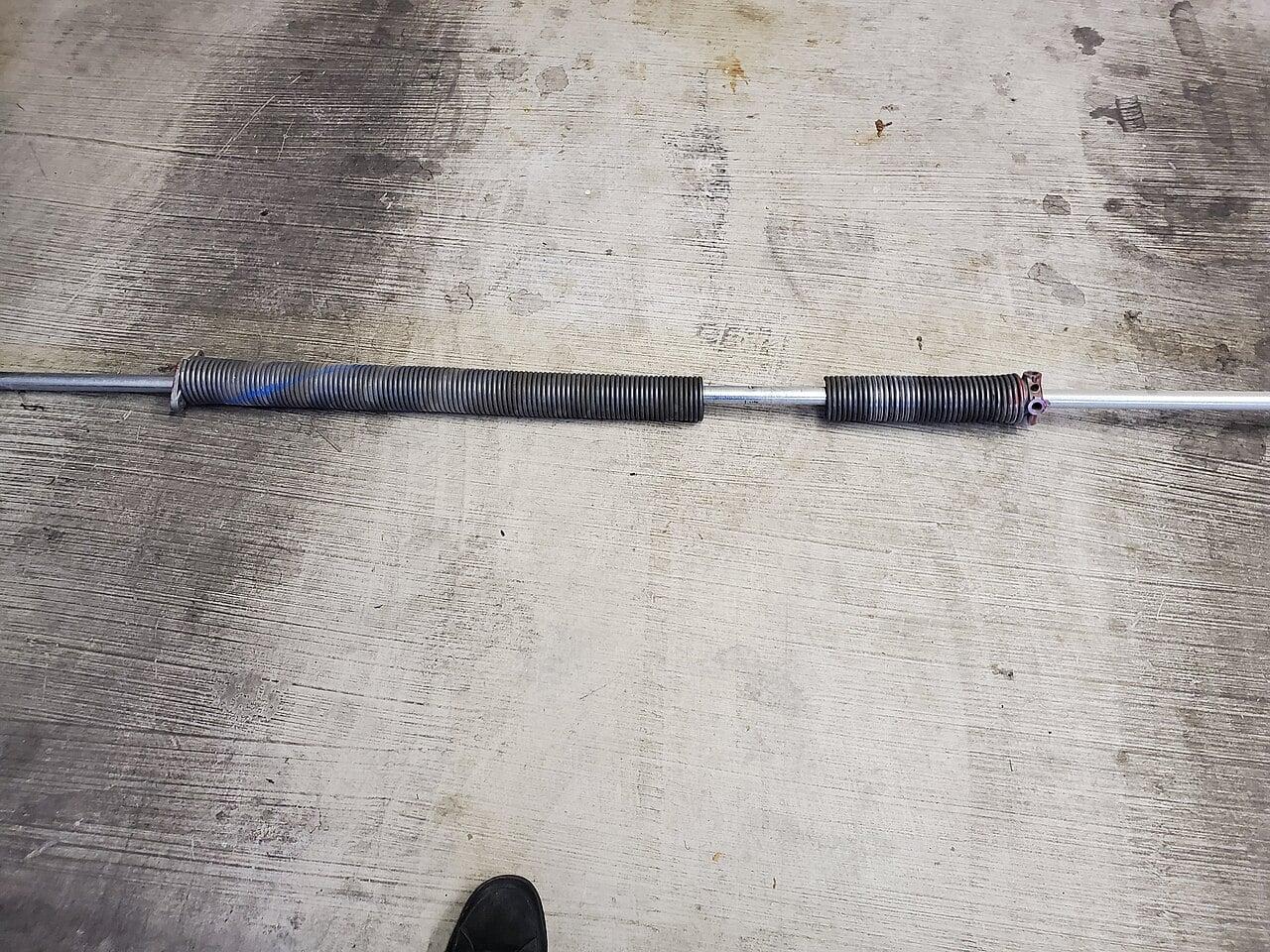
Replace rollers immediately if they show cracks, flat spots, missing chunks, or seized bearings—do not rely on lubrication to fix mechanical damage. Any roller that does not turn freely, even after cleaning and lubricating, indicates internal failure. If the door binds in specific locations despite clear tracks and lubricated rollers, the issue may be track misalignment or damaged hinges, which require professional adjustment. Never attempt to remove or install rollers on a door under torsion spring tension—releasing or adjusting springs without proper training and tools risks severe injury or death. Technicians have the equipment to safely manage spring tension and ensure rollers are correctly seated and aligned during installation.
Preventive Maintenance for Winter Readiness
Schedule roller inspection and lubrication in early fall before temperatures drop consistently below zero. Use this opportunity to assess roller wear and plan replacements for units nearing end-of-life. Keep a log of lubrication dates and products used to track effectiveness. Consider upgrading to rollers with sealed bearings or low-temperature-rated nylon for better cold-weather performance. Ensure weather seals at the bottom and sides of the door are intact to minimize moisture and cold air infiltration that contributes to ice buildup. Train multiple staff members on safe inspection procedures so checks continue during absences or shift changes.
Frequently Asked Questions
### Can I use WD-40 on my door rollers in winter?
No. WD-40 is a water displacer and light lubricant that dries quickly and attracts dust and dirt. In cold temperatures, it can become stiff and ineffective, potentially worsening roller binding. Use a silicone-based or low-temperature synthetic lubricant specifically formulated for door hardware.
How often should I lubricate commercial door rollers in freezing weather?
Check and lubricate rollers at least once a month during sustained freezing conditions, or more frequently if the door cycles many times daily. Always lubricate after cleaning ice or debris from the track, and inspect for wear each time.
Will heating the garage prevent roller problems in winter?
Maintaining indoor temperatures above freezing reduces the likelihood of lubricant thickening and ice formation, but it does not eliminate the need for proper lubrication and inspection. Doors exposed to frequent opening and closing will still experience cold air infiltration and roller cooling during operation.