Commercial overhead door rollers wear faster in wet climates due to constant exposure to moisture, which strips lubricant and promotes corrosion on steel components. In Metro Vancouver, frequent rain and high humidity mean rollers are regularly wet, washing away grease and leaving bare metal surfaces vulnerable. Once lubrication is gone, friction increases between the roller and the track, causing accelerated wear on both the roller bearings and the track surface. This wear manifests as flat spots on the roller, increased noise during operation, and eventually binding or derailment if left unchecked.
How Moisture Breaks Down Roller Lubrication
Water displaces grease from the roller bearings and track interface. Even water-resistant greases emulsify or wash out over time with repeated exposure. Without lubrication, metal-on-metal contact occurs, generating heat and microscopic wear particles. These particles act like abrasive paste, grinding down the roller’s outer diameter and the track’s rolling surface. In a wet climate, this cycle repeats daily, especially on doors that cycle frequently, such as those at loading docks or warehouse entrances.
Corrosion and Surface Degradation
Steel rollers and tracks are prone to surface rust when wet. Rust creates uneven surfaces that increase friction and trap more moisture, accelerating degradation. Aluminum or nylon rollers resist corrosion better but can still suffer from embedded debris or UV degradation if exposed. Rust flakes also contaminate remaining lubricant, forming a grinding compound that speeds up wear. Inspect for orange-brown discoloration on rollers or tracks, especially in areas where water pools or drips from the building envelope.
Debris Accumulation in Wet Conditions
Rain washes dirt, leaves, and industrial particulates onto the door track. This debris sticks to wet surfaces and builds up in the track channel. As the door cycles, rollers push this abrasive mixture forward, wearing down the roller face and track. In facilities near construction zones, forests, or busy roads, debris buildup is more pronounced. Check the track for packed grime, especially in the corners and along the vertical lift, where rollers spend more time under load.
Temperature Cycling and Material Stress
Metro Vancouver’s climate features frequent temperature swings around freezing. Water in the track or on rollers can freeze overnight, expanding and creating micro-fractures in roller coatings or track paint. Thawing then allows water to penetrate deeper. This freeze-thaw cycle stresses materials and accelerates fatigue. Listen for clicking or popping sounds when the door moves in cold weather—this can indicate ice binding or roller flat spots catching on irregularities.
Signs of Roller Wear You Can Observe
Look for rollers that appear flattened on one side or have visible cracks in the rubber or nylon tread. Listen for squealing, grinding, or rhythmic thumping during operation—these indicate binding or uneven rolling. Watch the door as it moves; if it jerks, lags, or pulls to one side, rollers may be seized or worn unevenly. Check track alignment; bent or twisted tracks exacerbate roller wear by forcing rollers to operate at an angle.
What You Can Safely Check Yourself
You can inspect rollers and tracks visually and by hand when the door is disabled and locked out. Clean debris from the track with a brush and vacuum. Apply a silicone-based lubricant to the roller bearings and track—never use WD-40 or grease that attracts dirt. Spin each roller by hand; it should turn freely without wobble or roughness. Replace any roller that feels gritty, loose, or damaged. Always disconnect power and secure the door before touching moving parts.
When to Call a Professional
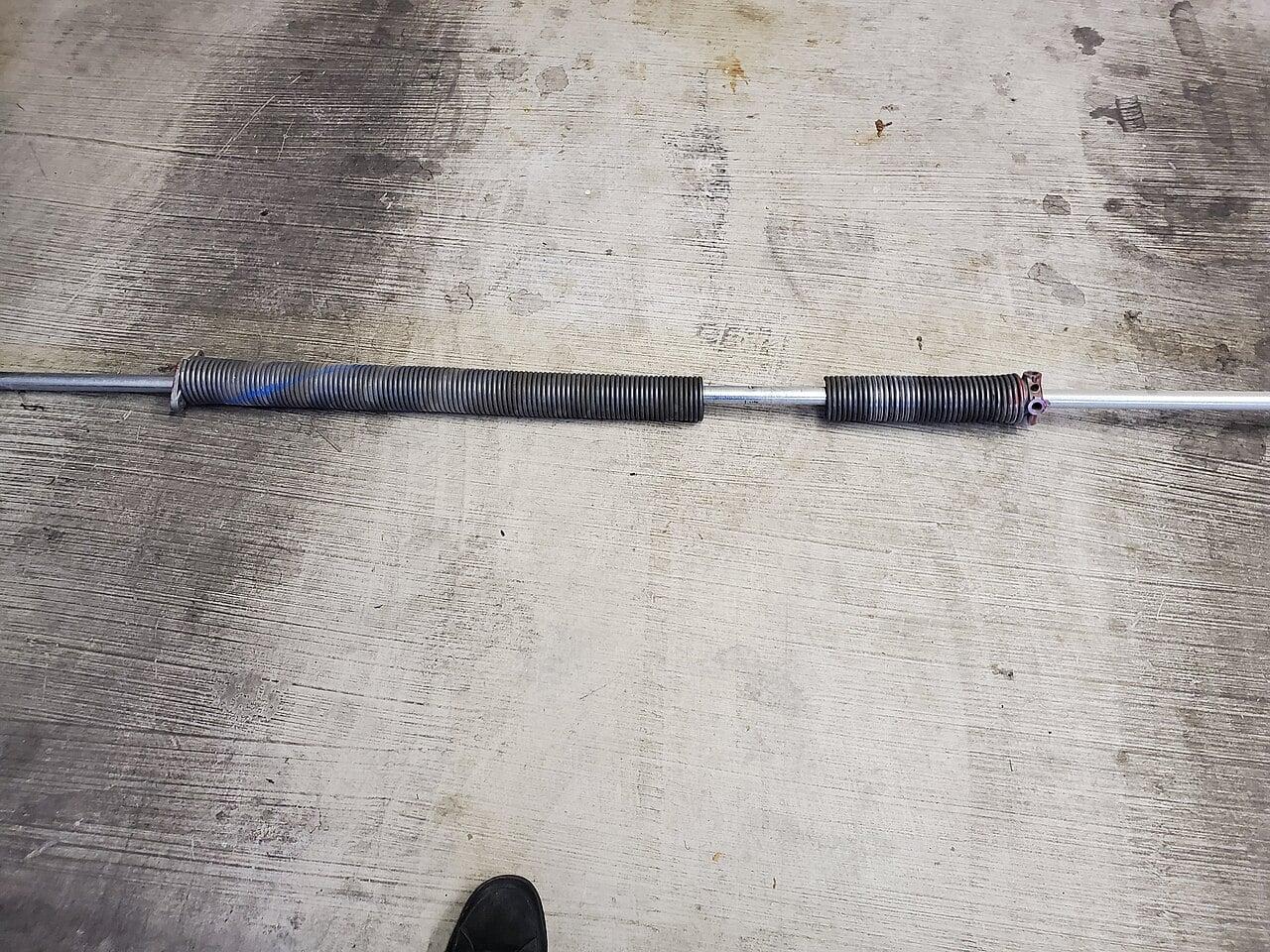
Replace rollers only if you have the proper tools and training to manage cable tension. On sectional doors, rollers are often held under tension by lift cables connected to the bottom bracket. Releasing this tension incorrectly can cause cables to snap or the door to fall. Torsion spring systems store lethal energy and must only be serviced by qualified technicians. If you notice cable fraying, drum damage, or spring corrosion, do not attempt adjustment—call a professional.
Frequently Asked Questions
### Can I use regular grease on overhead door rollers in a wet climate?
No. Standard grease attracts and holds dirt, debris, and water, forming a grinding paste that accelerates wear. Use a silicone-based lubricant designed for door hardware—it repels water, doesn’t attract contaminants, and remains effective in temperature fluctuations common in Metro Vancouver.
How often should I inspect rollers on a door exposed to rain?
At least quarterly, or monthly if the door cycles more than 10 times per day or is located where water drips from the roof or walls. Increase frequency during rainy seasons or after storms. Early detection of wear prevents track damage and costly emergency repairs.
Does roller wear affect the door’s balance or spring system?
Yes. Worn or binding rollers increase resistance, making the motor work harder and creating uneven load distribution. This can mimic spring issues and lead to premature opener strain or cable wear. While rollers themselves don’t change spring tension, their condition directly impacts how smoothly the door moves through its arc.