In Metro Vancouver’s wet climate, commercial overhead door openers wear faster due to constant moisture exposure, salt-laden air from coastal winds, and frequent temperature cycling. These conditions accelerate corrosion, degrade lubricants, and compromise electrical components, leading to premature failure of motors, chains, and control systems. Understanding the specific failure mechanisms helps facility teams identify early warning signs before a complete breakdown occurs.
How Moisture Attacks Electrical Components
Persistent dampness infiltrates motor housings, control boards, and wiring conduits through worn seals or microscopic gaps. Water causes corrosion on copper traces, leading to intermittent signals or complete circuit failure. You might notice the door responding erratically to remote commands, or the opener humming without moving the door. Check for white or green crust on terminals and inspect conduit seals for cracking—these are early signs moisture is getting in. Never attempt to dry or reseal electrical enclosures yourself; trapped moisture can create short-circuit risks when power is reapplied.
Why Salt Accelerates Metal Degradation
Coastal winds carry sodium chloride that settles on exposed metal parts like chains, sprockets, and motor mounts. Salt acts as an electrolyte, speeding up electrochemical rusting far beyond what freshwater alone would cause. Over time, chains stiffen and bind, sprockets develop pitting that skips teeth, and motor mounts corrode until they loosen. Listen for grinding or squealing during operation—especially at startup or shutdown—and visually inspect chains for rust flakes or stiff links. Lubricating a corroded chain only masks the problem; replacement is often needed once pitting appears.
The Role of Temperature Cycling in Lubricant Failure
Frequent shifts between cold, wet winters and mild, damp summers cause lubricants to break down faster. Grease emulsifies with water, losing its viscosity and washing away from critical points like gearboxes and bearing surfaces. When lubricant fails, metal-on-metal contact increases, generating heat and accelerating wear. You may hear a whining noise from the gearbox or notice the motor straining to lift the door, drawing more current than normal. Check the gearbox vent for water contamination—if the grease looks milky, it’s compromised. Re-greasing is a DIY task only if you’ve confirmed no internal water intrusion; otherwise, disassembly is required.
How Condensation Damages Mechanical Bearings
Temperature differentials between the door’s interior and exterior cause condensation to form inside bearing housings and along shaft surfaces. This moisture wasn’t there during installation but accumulates over time, leading to micro-pitting on bearing races and galling on shafts. The symptom is often a rhythmic knocking or vibration that increases with door cycles. Check for play in the shaft by attempting to wiggle it laterally—any movement beyond factory tolerance indicates bearing wear. Bearing replacement requires shaft disassembly and is not a DIY job due to precision alignment needs and the risk of damaging the shaft surface.
Why Control Board Connections Fail in Humid Conditions
Humidity promotes the growth of conductive pathways between adjacent terminals on control boards, especially where dust or salt residue is present. This creates leakage currents that can trigger false signals, cause relays to chatter, or eventually carbon-track and permanently damage the board. Signs include the door operating on its own, failing to respond to safety sensors, or displaying error codes that reset temporarily after power cycling. Inspect for fuzzy or fuzzy-looking residue between terminals—do not clean with water or conductive solvents. Contact cleaner designed for electronics is acceptable only if power is fully disconnected and the board is removed.
What You Can Safely Inspect Yourself
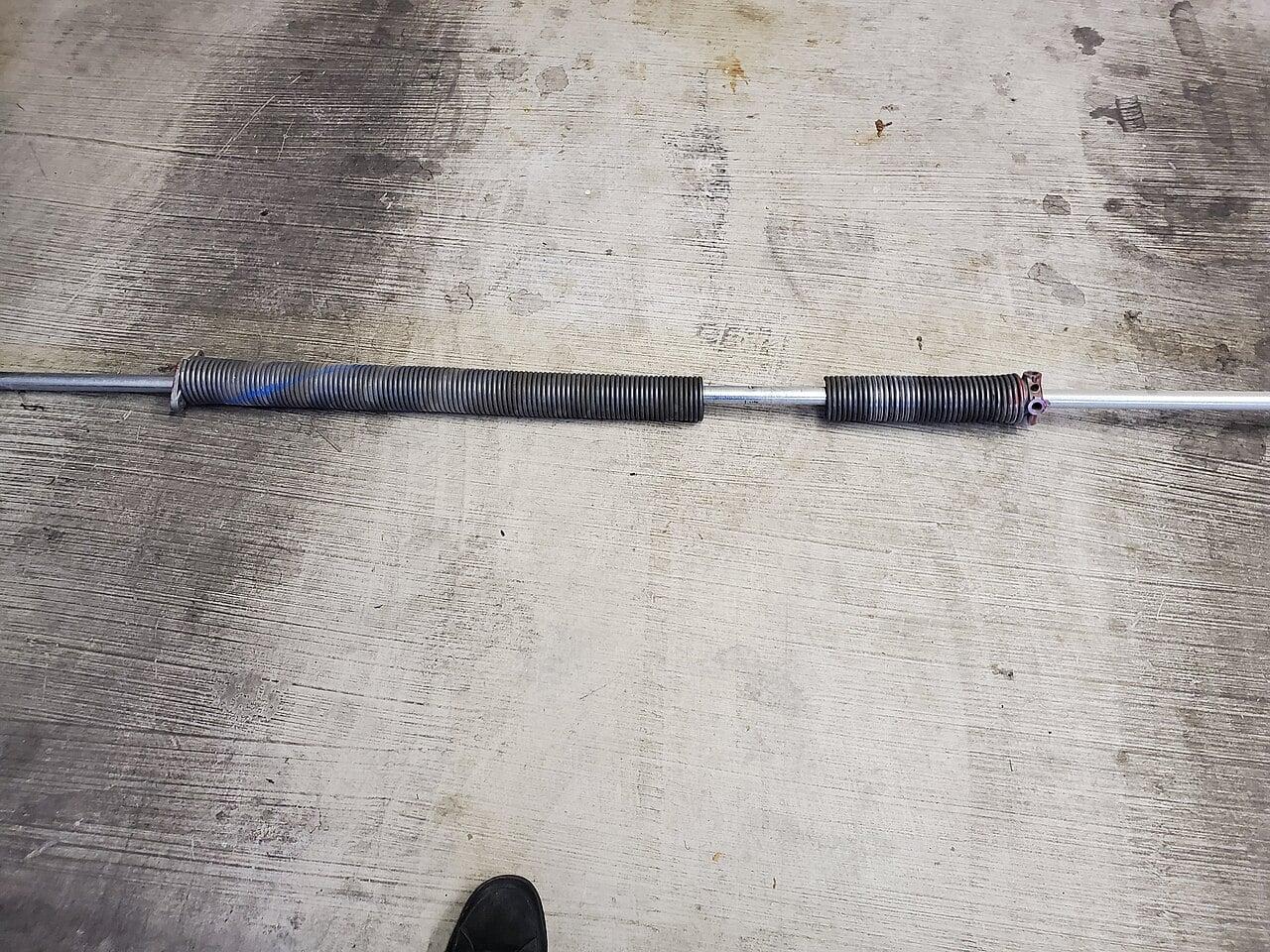
Facility staff can and should perform visual and auditory checks: listen for abnormal noises, inspect chains and cables for rust or fraying, check seals and conduit for cracks, and verify safety sensors are aligned and unobstructed. Keep a log of noise changes or operational hesitation. However, any work involving torsion springs, cable drums, gearbox disassembly, or control board repair requires trained technicians. Torsion springs store lethal energy—if they fail during adjustment, they can cause severe injury or death. Never attempt to adjust, remove, or repair torsion springs or anything under high tension.