A commercial overhead door that stops halfway during opening or closing is usually experiencing a disruption in the balance between the door’s weight and the counterforce from its spring system. This imbalance prevents the motor from completing its cycle, often triggering safety protocols that halt movement to avoid damage or injury. The issue is frequently mechanical rather than electrical, though control board faults can contribute.
Torsion Spring Imbalance or Failure
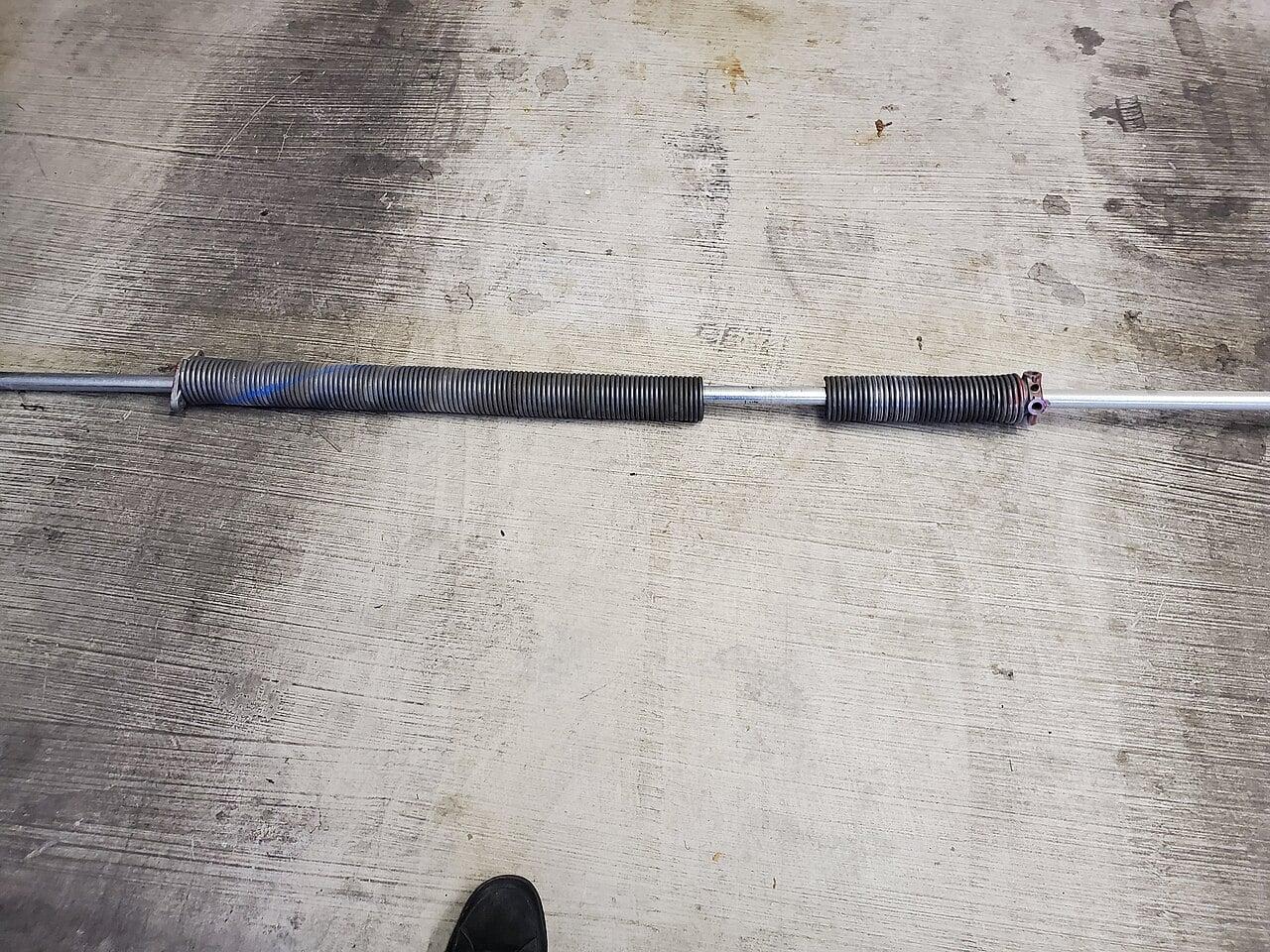
Torsion springs store rotational energy to offset the door’s weight. If one spring breaks or loses tension due to fatigue, the door becomes unevenly loaded. During travel, the heavier side binds or sags, causing the door to stall midway. You might hear a loud bang when the spring fails, followed by heavy, uneven movement. Visually, inspect the spring shaft above the door for gaps in the coils or visible separation. Never attempt to adjust or replace torsion springs—they contain lethal stored energy and require specialized tools and training.
Extension Spring Issues (Less Common in Commercial)
Some older or lighter commercial doors use extension springs mounted along the horizontal tracks. If these springs stretch unevenly, break, or lose tension, they create inconsistent lift. Symptoms include jerking motion, visible sagging on one side, or the door stopping at the same point each cycle. Check for elongated or broken springs, but again, do not handle them—extension springs can snap violently under load.
Track Misalignment or Obstruction
Vertical or horizontal tracks that are bent, loose, or obstructed by debris can cause rollers to derail or bind. Look for gaps between the roller and track, rubbing marks on the metal, or debris like packaging straps or ice buildup. Loose mounting bolts allow tracks to shift under door weight, creating pinch points. Tightening accessible bolts with a wrench is safe, but realigning tracks requires loosening structural fasteners—only attempt this if you understand how to support the door’s weight during adjustment.
Roller or Hinge Wear
Worn rollers seize or tilt in the track, increasing friction. Hinges crack or elongate from stress, allowing panels to shift. Symptoms include grinding noises, uneven panel movement, or visible wobble. Inspect rollers for flat spots or seized bearings; check hinges for elongated bolt holes. Replacing rollers or hinges is manageable with basic tools if the door is secured, but never work under an unsupported door.
Opener Motor or Control Board Faults
If the motor overheats, the thermal overload trips and stops the door mid-cycle. This often happens after repeated use without cooling. Control board issues may misinterpret limit switches or safety sensor signals, falsely triggering a halt. Listen for a humming motor that doesn’t turn, or check for error codes on the opener panel. Resetting the breaker or allowing the motor to cool can help diagnose thermal trips. Replacing circuit boards or motors should be done by a technician familiar with commercial-grade operators.
Limit Switch Misadjustment
Limit switches tell the opener when to stop opening or closing. If they’re knocked out of position, the door may halt prematurely. This is less common but possible after impact or vibration. You can observe whether the door stops at the same point every time and whether it resists manual pushing past that point. Adjusting limits requires following the manufacturer’s procedure—incorrect settings can cause the door to crash into the floor or header.
Safety Sensor Interference
Photo-eye sensors near the floor prevent closing if obstructed. If misaligned, dirty, or failing, they can falsely trigger a stop during closing—but rarely during opening. Check for blinking lights on the sensors, wipe the lenses, and ensure they’re facing each other squarely. This is a safe DIY check, but wiring issues require electrical expertise.
What You Can Safely Check Yourself
With the door locked out and disconnected from power, you can: visually inspect springs for breaks, check track alignment with a level, look for roller wear, test manual lift (door should stay put around waist height if balanced), and clean safety sensors. If the door feels excessively heavy, binds manually, or shows spring damage, stop and call a technician.
When to Call a Professional
Any suspected spring issue, track realignment requiring structural bolt loosening, motor replacement, or control board repair needs a qualified technician. Commercial doors operate under high tension and inertia—failed components can cause severe injury or property damage. CCGDS provides diagnostic and repair services for commercial overhead doors across Metro Vancouver. Contact us at (604) 206-5727.
Frequently Asked Questions
### Can a door stop halfway due to cold weather?
Cold temperatures can thicken lubricant and make steel more brittle, exacerbating existing issues like weak springs or worn rollers, but they don’t directly cause mid-travel stops unless ice physically blocks the track.
Why does my door stop halfway only when closing?
This often points to closing limit switch misadjustment, increased friction on the closing side (e.g., one binding roller), or a safety sensor falsely detecting an obstruction during the downward cycle.
Is it safe to manually lift a door that stops halfway?
Only if you’ve disconnected the opener and the door is secured. If springs are broken or severely unbalanced, the door may crash downward—never attempt manual lift without proper blocking and training.