Heavy rain directly compromises commercial overhead door openers by allowing water to enter electrical enclosures, corrode contacts, and increase mechanical load on moving parts. When precipitation is intense or prolonged, moisture seeps into junction boxes, wiring conduits, and motor housings, leading to short circuits, ground faults, or intermittent operation. The added weight of water on the door curtain and increased drag in wet tracks also force the opener to work harder, triggering thermal overload or straining drive components. You’ll notice symptoms like the door stopping mid-cycle, the motor humming without movement, or the opener tripping a circuit breaker after a storm. In some cases, the door may reverse unexpectedly due to false signals from water-affected safety sensors.
Water Ingress in Electrical Components
Rainwater enters through compromised seals around conduit entries, junction box covers, or the motor housing itself. Once inside, it creates conductive paths between live terminals and ground, causing breakers to trip or fuses to blow. Over time, mineral deposits from evaporated water leave resistive layers on circuit boards, leading to voltage drops and erratic control logic. You can inspect for visible water stains, white corrosion on copper terminals, or fogging inside transparent covers after a downpour. If the opener only fails during or after rain, and resets when dry, moisture intrusion is likely the root cause.
Corrosion of Contacts and Terminals
Repeated wet-dry cycles accelerate oxidation on relay contacts, terminal screws, and plug-in connectors. This increases resistance at connection points, causing voltage drops that prevent the motor from receiving full power. You might hear a loud click from the relay but see no motor movement, or observe the door moving slowly before stalling. Check for greenish crust on copper wires or a powdery residue on terminal blocks—these are signs of active corrosion. Cleaning contacts with electrical contact cleaner can help in mild cases, but if pitting is visible, the component should be replaced.
Increased Mechanical Load from Water Retention
Commercial doors, especially those with fabric or perforated panels, absorb water during heavy rain, adding significant weight. Wet tracks and rollers also experience higher friction as water washes away lubricant and carries debris into the bearing surfaces. The opener’s motor must generate more torque to lift the load, which can overheat the windings or trip the thermal protector. Listen for a strained, labored motor sound compared to normal operation. After a storm, manually disengage the opener and lift the door—if it feels unusually heavy or binds at certain points, water retention or track contamination is likely affecting performance.
Safety Sensor Failure in Wet Conditions
Photoelectric safety sensors mounted near the door frame are prone to false triggering when rainwater accumulates on their lenses or when moisture refracts the infrared beam. Water droplets act as lenses, scattering the beam and making the receiver think an object is obstructing the path. This causes the door to reverse immediately after starting to close or refuse to close entirely. Wipe the sensor lenses with a dry cloth and check for standing water in the sensor wells. If the problem only occurs during rain and the sensors are clean, consider installing weatherproof shields or adjusting the sensor angle to minimize exposure.
What You Can Safely Check Yourself
Before calling a technician, verify the circuit breaker serving the opener hasn’t tripped and reset it if needed. Inspect the motor housing and junction boxes for visible water entry points—look for cracked seals, missing conduit plugs, or loose covers. Clean safety sensor lenses with a microfiber cloth and ensure they’re aligned and unobstructed. Manually test the door’s balance by disconnecting the opener and lifting it halfway; it should stay put without drifting. If the door is hard to lift, binds, or feels excessively heavy, stop—this indicates a mechanical issue requiring professional attention.
What Requires a Technician
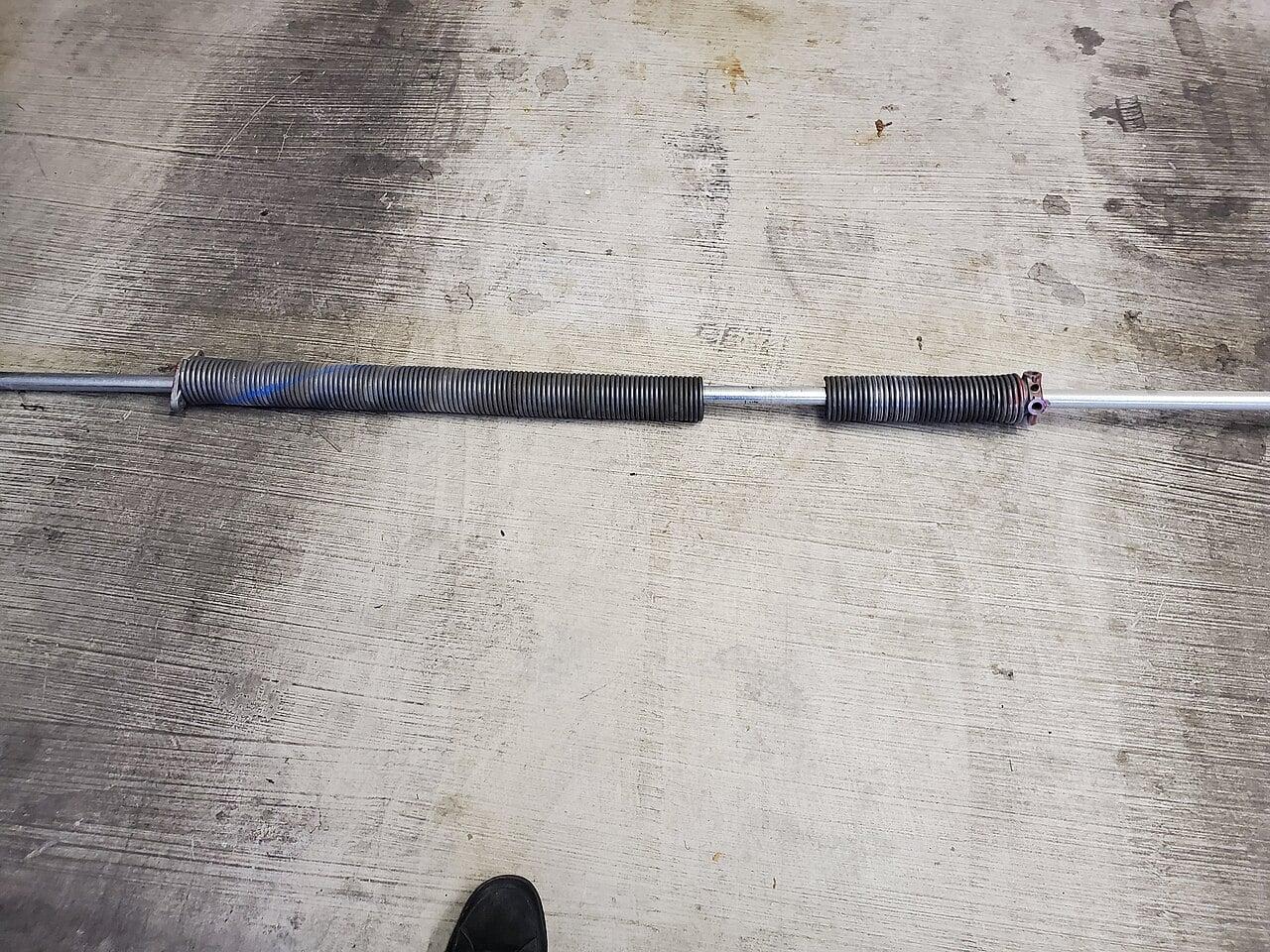
Do not attempt to open the motor housing, adjust torsion springs, or service internal drive components like gears, chains, or belt tensioners. Torsion springs store lethal amounts of energy and must only be handled by trained technicians using proper tools. If the motor windings are shorted, the control board is corroded, or the encoder is faulty, these require diagnostic equipment and part replacement. Likewise, if water has penetrated the gearbox or damaged the worm drive, disassembly and reassembly demand expertise to avoid misalignment or premature failure. Any repair involving live electrical components or high-tension systems should be performed by a qualified door technician.
Frequently Asked Questions
### Can heavy rain cause a commercial door opener to operate intermittently?
Yes. Moisture-induced corrosion or intermittent short circuits can cause the opener to work fine in dry conditions but fail during or after rain, especially if water lingers in enclosures or on circuit boards.
Is it safe to reset the breaker multiple times if the opener keeps tripping after a storm?
No. Repeated tripping indicates a persistent fault—likely a short circuit or ground fault. Resetting without diagnosing the cause risks damaging equipment or creating a hazard.
Should I lubricate the tracks and rollers after heavy rain?
Only after cleaning them thoroughly. Water carries dirt and debris into the bearings; applying lubricant over contaminated surfaces traps abrasives and accelerates wear. Clean first, then apply a silicone-based lubricant designed for door hardware.