Cold weather directly impacts the mechanical and electrical systems of a commercial overhead door opener by increasing resistance in moving parts and reducing the efficiency of electrical components. As temperatures drop, grease and oil in rollers, hinges, and chains thicken, creating drag that forces the motor to work harder. Simultaneously, metal components contract slightly, which can misalign tracks or bind the door in the frame. These combined effects often manifest as slow operation, straining noises, or the door reversing unexpectedly before reaching the floor. Recognizing these symptoms early helps prevent motor burnout or complete failure during critical access periods.
How Low Temperatures Thicken Lubricants and Increase Drag
Lubricants designed for moderate climates lose viscosity when temperatures fall below freezing. Standard garage door grease can become semi-solid, particularly in exposed areas like the top roller bearings or the chain drive along the trolley. This increased resistance means the opener’s motor must draw more current to initiate movement. You may notice the door moving in jerks, pausing mid-travel, or the opener humming loudly without moving the door at all. In extreme cases, the thermal overload protector inside the motor unit will trip, shutting down the system to prevent overheating. Checking lubricant condition requires only a visual and tactile inspection: if grease appears cracked, separated, or feels stiff when touched with a gloved hand, it needs replacement with a low-temperature silicone-based lubricant rated for -30°C or lower.
Why Motor Strain Increases in Cold Conditions
Electric motors in overhead door openers rely on consistent torque to overcome inertia and friction. When cold-thickened lubricants add resistance, the motor operates outside its designed load range. Prolonged strain causes windings to overheat, insulation to degrade, and brushes (in brushed motors) to wear prematurely. You might detect a burning smell near the motor housing or observe the opener struggling to lift the door even when disconnected from the door and run manually—indicating the issue is internal to the opener, not the door itself. Voltage drop across long wiring runs in unheated facilities can exacerbate this, as cold increases electrical resistance in conductors. Facility staff can check for abnormal motor heat by carefully touching the housing after a failed operation cycle—excessive heat indicates internal strain, though direct motor disassembly or rewiring is not a DIY task due to electrical hazards.
How Metal Contraction Affects Alignment and Track Binding
Steel tracks, bolts, and door sections contract at different rates in cold weather, especially if materials vary or installation tolerances were tight. This differential contraction can cause the track to pull inward, binding the rollers, or shift the door slightly off-center in the opening. Symptoms include scraping sounds along the vertical track, uneven gaps between the door and frame, or the door catching at specific points during travel. These issues are often mistaken for opener failure when the root cause is mechanical binding. You can check alignment by manually lifting the door (with the opener disengaged) and feeling for smooth, consistent resistance throughout the travel. Any sudden tightness or looseness indicates a track or hinge problem. Adjusting track brackets or replacing worn rollers is within the scope of trained maintenance staff, but realigning severely twisted tracks or correcting frame distortion requires structural assessment.
Why Torsion Springs Are More Dangerous in Cold and Should Not Be Adjusted DIY
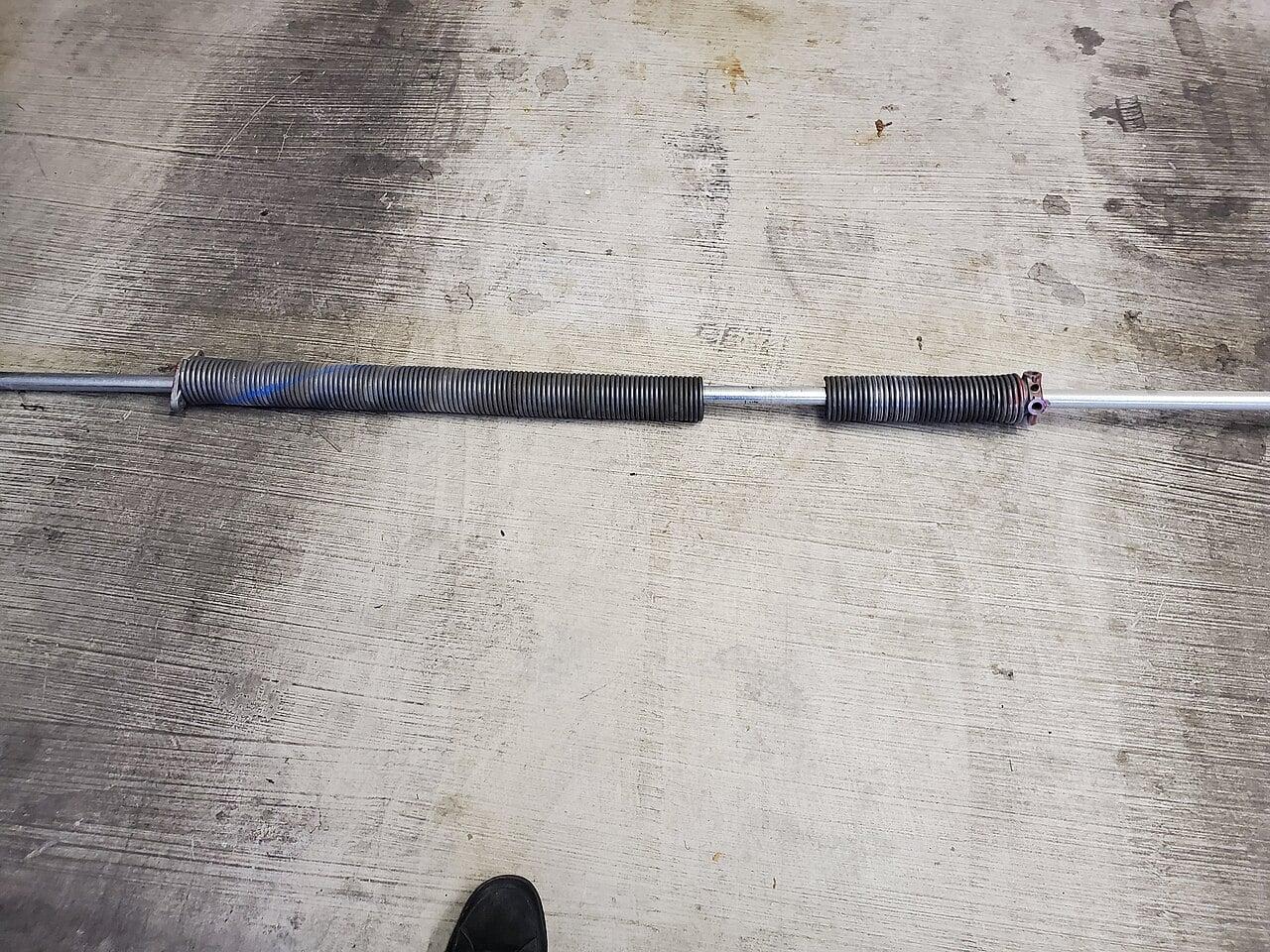
Torsion springs store immense energy to counterbalance the door’s weight. Cold temperatures make spring steel more brittle, increasing the risk of sudden fracture during adjustment or failure. A broken spring can release with explosive force, capable of causing severe injury or death. Signs of spring fatigue in cold weather include the door feeling unusually heavy when lifted manually, uneven movement (one side rising faster than the other), or a loud bang followed by slack in the cables. Never attempt to adjust, tighten, or inspect torsion springs without proper training and winding bars. Even releasing tension incorrectly can result in sudden unwinding. Cable fraying or drum wear should also be assessed by a technician, as these components operate under high load and failure can lead to uncontrolled door drop.
Electrical Component Vulnerability in Cold, Damp Conditions
Cold often brings condensation, especially in facilities with temperature differentials between interior and exterior. Moisture combined with cold can cause corrosion on electrical contacts inside the opener’s control board, safety sensor lenses, or wiring terminals. This leads to intermittent signals—such as the door refusing to close despite clear paths, or safety sensors falsely triggering. You may see blinking indicator lights on the motor unit or hear rapid clicking from the relay board. Checking for moisture involves inspecting the exterior of the motor housing for fogging or water stains and wiping sensor lenses with a dry cloth. However, opening the control board or tracing wiring faults risks electric shock or short circuits and should only be performed by someone with electrical qualifications and lockout/tagout training.
What Facility Staff Can Safely Check and Maintain
Routine preventive steps within safe limits include: applying low-temperature lubricant to rollers, hinges, and lift cables (avoiding spring components); cleaning debris from tracks; inspecting cable condition for fraying or corrosion; testing the manual release handle to ensure the door moves freely when disconnected; and verifying safety sensor alignment by checking for steady indicator lights. Always disconnect power before touching moving parts or conducting physical inspections. If the door operates unevenly, makes grinding noises, fails to respond to controls, or shows signs of spring or cable wear, stop use and contact a qualified technician. Continuing to operate a compromised system risks catastrophic failure and workplace injury.
Frequently Asked Questions
### Can I use WD-40 to lubricate my commercial door opener in winter?
No. WD-40 is a water displacer and light penetrant, not a lubricant. It attracts dust and evaporates quickly, leaving no protective film. In cold weather, it can thicken and gum up, worsening drag. Use a silicone-based or lithium grease formulated for low temperatures instead.
Why does my door reverse immediately after starting to close in cold weather?
This is often due to increased resistance triggering the opener’s force safety setting. The motor senses excessive strain—thickened lubricants, binding rollers, or stiff cables—and interprets it as an obstruction, causing the door to reverse as a safety measure.
Should I increase the force setting on my opener to compensate for cold weather?
No. Artificially raising the force threshold overrides critical safety protections designed to prevent entrapment or damage. It masks symptoms of underlying issues like lubricant failure or spring wear and increases the risk of injury or property damage if a real obstruction occurs.