A commercial overhead door opener typically lasts between 10 and 15 years under normal use in a warehouse or industrial setting. This lifespan depends on cycle frequency, maintenance, environmental conditions, and the quality of the original installation. High-cycle facilities like distribution centers may see replacement needed closer to 8 years, while low-use municipal buildings might exceed 18 years. The opener itself — meaning the motor unit, drive system, and controls — wears gradually, but failure is often precipitated by related components like springs, cables, or rollers degrading and increasing load on the motor.
How the Opener System Actually Works
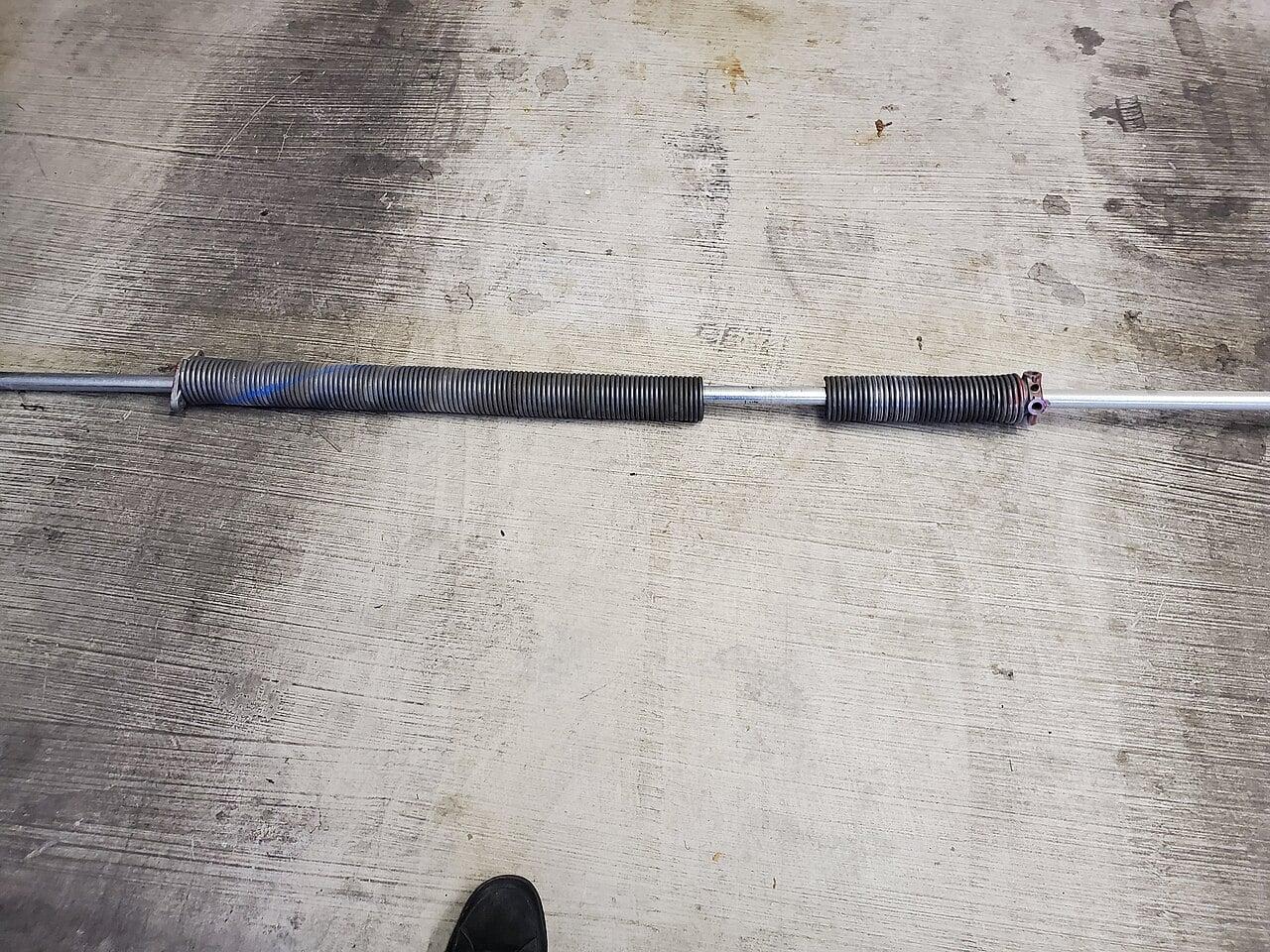
The opener motor does not lift the door directly. Instead, it turns a drive mechanism — either a chain, belt, or screw — that rotates the torsion tube, which winds or unwinds the torsion springs. These springs store the actual energy needed to counterbalance the door’s weight, which can exceed 1,000 pounds. The motor only needs to overcome friction and inertia to start movement; the springs do the heavy lifting. When the springs lose tension or break, the motor strains to move the door, overheating and triggering thermal overload protection.
What Wear Looks and Sounds Like
Early signs of opener degradation include slower travel speed, especially on closing, and the motor straining audibly — a deep humming or buzzing that doesn’t match the usual operational tone. You might notice the door jerking or stalling mid-cycle, particularly if the springs are unevenly worn. Intermittent operation where the door responds to the wall button but not the remote, or vice versa, often points to failing circuit boards or wiring insulation cracked by vibration or moisture. Grinding noises from the drive rail suggest worn sprockets or misaligned chains, while screeching at the top or bottom usually indicates roller or bearing failure in the track.
What Facility Staff Can Safely Check
You can visually inspect the drive chain or belt for excessive slack, rust, or cracked links — if it’s loose enough to skip teeth on the sprocket, it needs adjustment or replacement. Check the rollers: nylon ones should show no flat spots or chunks missing; steel rollers shouldn’t wobble sideways in the track. Listen for changes in motor sound during operation — a new whine or hesitation under load is a warning sign. Test the safety reversal system monthly by placing a 2×4 on the floor where the door closes; it should reverse on contact. If it doesn’t, stop using the door and call a technician — this is a critical safety failure.
What Is Not a DIY Job
Adjusting or replacing torsion springs is extremely dangerous and must not be attempted by untrained personnel. These springs store enough energy to cause severe injury or death if they release unexpectedly. Similarly, rewiring the motor controller, replacing the circuit board, or adjusting limit switches on a live unit risks electrical shock or creating a fire hazard. If the door is unbalanced — meaning it doesn’t stay put when lifted halfway and released — do not operate it. This indicates spring failure and places unsafe load on the opener motor. Only qualified technicians should handle torsion systems, cable repairs, or motor internal work.
When Replacement Is Necessary vs. Repair
If the motor runs but the door won’t move, and manual lift shows excessive resistance, the issue is likely spring or cable-related — repair is usually cost-effective. If the motor overheats and shuts down within seconds of starting, even with the door disconnected, the motor windings or start capacitor may be failed — replacement of the motor unit is often more practical than rewiring. Intermittent operation that persists after checking wiring and remote batteries often indicates a failing logic board; given the exposure to dust and temperature swings in industrial environments, board replacement is common after 10–12 years. Upgrading to a newer model may offer better cycle logging, improved safety features, or compatibility with modern access control systems.
Frequently Asked Questions
### How many cycles per day is considered high use for a commercial door opener?
High use is typically 25 or more cycles per day. Facilities exceeding this rate should expect closer to 8–10 years of opener life and should prioritize quarterly inspections of springs, cables, and drive components.
Can I lubricate the opener chain or belt myself?
Yes, you can apply a silicone-based lubricant to the chain or avoid lubricant on belts — never use WD-40 or grease, as they attract dust and degrade rubber belts. Apply lubricant sparingly to the inner link plates of chains, wipe off excess, and operate the door several times to distribute it.
Does cold weather shorten the life of a commercial door opener?
Cold temperatures increase lubricant viscosity and make metal components more brittle, which can increase motor load and accelerate wear on gears and bearings. Using a low-temperature grease on pivot points and ensuring proper spring tension helps mitigate this, but extreme cold still reduces effective lifespan compared to temperate conditions.