The Lower Mainland does not freeze hard. It soaks. From October through March, Richmond and Delta warehouses sit in 4°C rain that finds every gap, condenses on every cold metal surface, and turns the space between the door and the floor into a slush channel. That is the environment your overhead doors run in for six months. Prep for it, or pay for it in February.
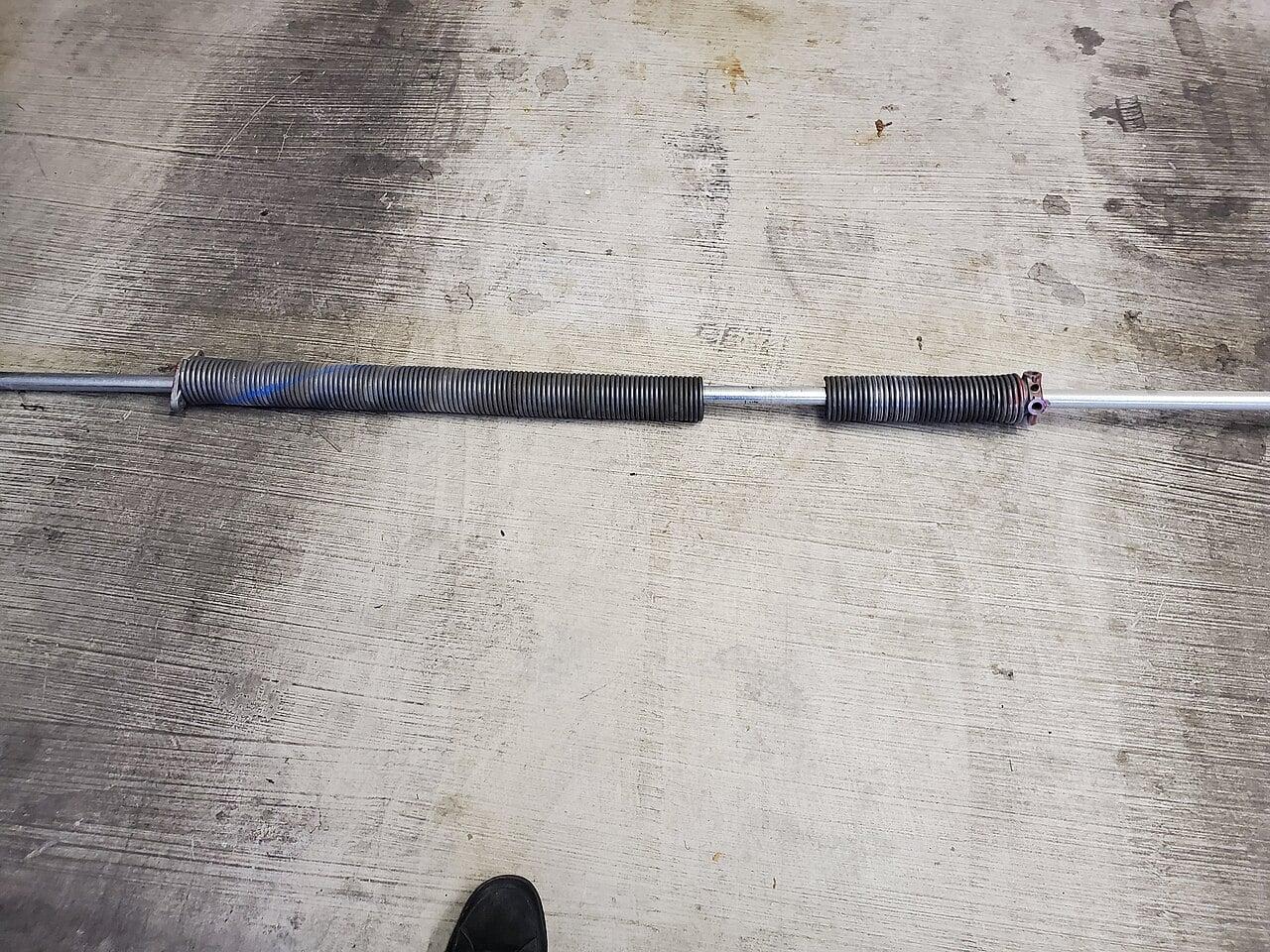
Springs are the first thing to check. A torsion spring rated for 25,000 cycles does not care about the calendar — it cares about cycles. But cold rain changes the wire. Moisture works into the micro-cracks that form on the surface of every spring over time. When the temperature drops overnight, that water expands. The crack grows. By the time you hear the snap, the spring has been failing for weeks. Wipe each spring clean with a rag. Look for rust streaks running along the coils. Look for gaps between coils that should be tight. If you see either, replace the set before the first hard cold snap. Do not wait for a break. A broken spring on a 14-foot sectional with a 300-pound counterbalance will drop the door fast enough to bend the bottom section and jam the track.
Seals next. Bottom astragal, side brush, top header — walk the perimeter with a flashlight at night. Light showing through is air moving through. In a 10,000-square-foot warehouse with four dock doors, a half-inch gap on each bottom seal moves enough cold air to drop the floor temperature ten degrees and keep your heaters running non-stop. Replace the astragal if the rubber is brittle, cracked, or compressed flat. On the sides, the brush seal should still flick the back of your hand when you run it down the jamb. If it lays flat, it is done. Top header seals on high-lift tracks often get missed. They shrink in UV and tear on the first forklift impact. Check them on a ladder.
Operators hate moisture more than cold. The Maxum commercial line and the LiftMaster Jackshaft units we see on most loading docks have sealed logic boards, but the limit switches and the safety photo-eyes sit in the open. Condensation forms on the emitter and receiver lenses every morning. A film of water scatters the beam. The door reverses two inches off the floor. The fix takes thirty seconds: wipe both lenses with a microfiber cloth and hit the learn button so the operator re-calibrates the signal strength. Do it weekly through the wet season. While you are there, check the chain or belt tension. A loose chain jumps the sprocket when the door hits a patch of ice on the threshold. Tighten to the manufacturer’s spec — usually half-inch deflection at mid-span.
Drainage decides whether the prep holds. Every dock door sits at the low point of a concrete apron sloped toward the building. That slope works until the trench drain in front of the door clogs with pallet wrap, shrink film, and gravel. Water backs up, freezes under the bottom seal, and lifts the door panels off the floor. The next cycle, the rollers bind in the frozen track. Clear the trench drains now. Flush them with a hose. If the grate is missing or bent, replace it.
Lubrication is where most crews overdo it. White lithium grease on the rollers, hinges, and bearing plates — yes. Heavy oil on the torsion shaft — yes. Spray lube on the track — no. Oil on the vertical track collects grit and turns into grinding paste. The rollers skate instead of roll. The opener works harder. The motor overheats. Wipe the track faces clean with solvent. Leave them dry. Lubricate the roller stems and the hinge pins only.
Test the safety reversal under load. Place a 2×4 flat on the threshold. Close the door. It must reverse on contact. If it crushes the wood and keeps going, the down-force limit is set too high. Adjust it. Then test the photo-eyes. Wave a broom handle through the beam. Immediate reversal. If either test fails, the door is not legal to operate under WorkSafeBC and your insurance will not cover the injury claim.
Keep a spare spring set on the shelf. Keep a bottom astragal kit for each door size in the building. Keep two photo-eye sets. At 6 a.m. on a Tuesday in January, when the dock door will not close and the reefers are waiting, you do not want to be calling a supplier in Calgary. You want to be swapping parts in twenty minutes.
Call (604) 206-5727 — Metro Vancouver.