When a commercial overhead door closes then immediately reopens, the issue often traces to the drum assembly on the torsion shaft. This symptom indicates the door’s safety reversal system is triggering incorrectly, usually due to excessive resistance sensed during closing. The door contacts the floor, the opener detects abnormal load, and reverses to prevent damage or injury. Understanding the mechanical sequence helps isolate whether the problem lies in the drum, cables, springs, or opener settings.
How the Drum Assembly Functions in Door Operation
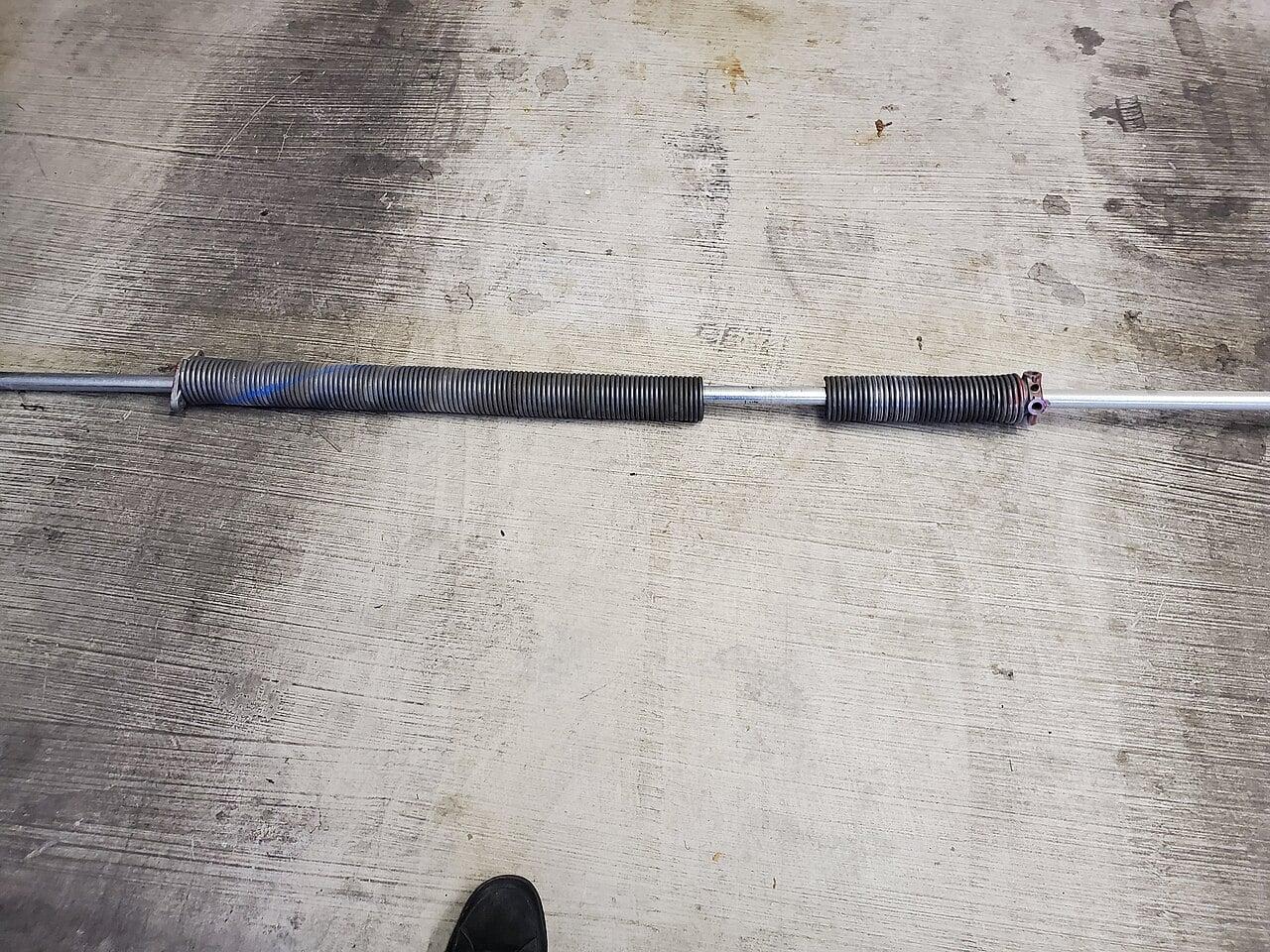
The drum is a cast aluminum or steel component fixed to each end of the torsion shaft. Steel lifting cables wrap around grooves in the drum as the door rises or falls. When the door closes, cables wind onto the drums, transferring rotational force from the springs to lower the door smoothly. The drums must maintain perfect alignment with the shaft and cables; any slip, wear, or deformation causes uneven cable tension. This imbalance makes one side of the door drag or bind, which the opener interprets as an obstruction.
Common Drum-Related Causes of Reversal
Worn drum grooves allow cables to slip or overlap, especially after years of use. A bent or out-of-round drum—often from impact with forklifts or pallet jacks—creates wobble as it turns. Corrosion on the drum surface or shaft keyway can reduce friction, letting the drum spin independently of the shaft. Loose set screws securing the drum to the shaft also permit rotational slip. In each case, the door encounters unexpected resistance mid-close, triggering the opener’s force-safety circuit.
Symptoms You Can Observe or Hear
Listen for a scraping or ticking noise as the door nears the floor—this suggests cable jumping grooves. Visually, watch one side of the door lag or jerk during descent; uneven movement points to drum or cable issues on that side. Inspect the drums with the door fully open: look for frayed cables pressing into damaged grooves, gaps between cable and drum surface, or visible wobble when the shaft is turned by hand. A door that reverses only when fully closed may indicate limit switch misadjustment, but consistent mid-close reversal points to mechanical drag.
DIY Checks That Are Safe to Perform
With the door locked open and power disconnected, you can inspect cable condition and drum alignment. Check for broken strands, kinks, or rust on cables. Verify both drums are seated firmly against the shaft bearings with no lateral play. Confirm set screws are tight—use a marker to mark screw and shaft position; if the mark separates after manual drum rotation, the screw is loose. Lubricate dry shaft bearings with silicone-based spray, but avoid getting lubricant on the drum grooves where cable grip is essential.
What Not to Touch: High-Tension Risks
Do not attempt to adjust, remove, or repair torsion springs, cables under tension, or the drum assembly while the door is under load. The springs store enough energy to cause severe injury or death if released unexpectedly. Even with the door open, residual tension remains in the system. Adjusting drum set screws requires precise torque; over-tightening cracks the drum, under-tightening allows slip. Cable replacement demands proper winding technique to avoid overlaps or reverse winding, which compromises safety.
When Opener Settings Mimic Drum Problems
Sometimes the issue isn’t mechanical but stems from incorrect close-force or limit settings on the opener. If the door reverses instantly upon floor contact without dragging, the close-force sensitivity may be set too high. Conversely, if it reverses before touching the floor, the close limit switch might be tripping prematurely. These adjustments are low-risk and can be made via the opener’s control panel—consult the manufacturer’s manual for your specific model. However, if adjusting settings doesn’t resolve the reversal, mechanical inspection is warranted.
The Role of Cable Tension and Balance
A properly balanced door should stay stationary when lifted halfway and released. If it falls or rises, the spring tension is incorrect, forcing the opener to work harder and potentially triggering false obstructions. Imbalanced doors exaggerate any drum or cable flaw. Checking balance requires disconnecting the opener and manually operating the door—only attempt this if you’re trained to handle the door’s weight safely. An unbalanced door accelerates wear on drums, cables, and opener components.
Frequently Asked Questions
### Can a dirty or greasy drum cause the door to reopen?
Yes, oil or grease on the drum grooves reduces friction between the drum and cable, allowing the cable to slip during closing. This slip creates sudden loss of tension, which the opener interprets as an obstruction. Clean the grooves with degreaser and a brass brush—never use petroleum-based solvents that degrade cable coatings.
How often should commercial door drums be inspected?
For high-cycle warehouse doors, inspect drums and cables quarterly as part of preventive maintenance. Look for groove wear, corrosion, and cable positioning. Low-cycle facilities may extend to biannual checks, but any reversal symptom warrants immediate inspection regardless of schedule.
Does door speed affect drum-related reversal?
Excessive closing speed increases impact force when the door binds, making reversal more likely. However, the root cause remains mechanical drag from drum or cable issues. Adjusting speed via the opener may mask symptoms temporarily but doesn’t fix the underlying problem. Always address the mechanical fault first.