When a commercial overhead door starts to close but then reverses before reaching the floor, the issue often traces back to the drum assembly on the torsion shaft. This reversal happens because the door operator senses excessive resistance during the down cycle and triggers its safety reverse mechanism. The drum, which winds the lifting cables, can develop faults that create uneven tension or mechanical bind, mimicking an obstruction. You’ll typically hear the motor strain, then stop and reverse, sometimes with a clicking or grinding noise from the header area. This isn’t random—it’s a feedback loop where faulty drum behavior tricks the operator into thinking something is blocking the door’s path.
How the Drum Assembly Functions in Door Operation
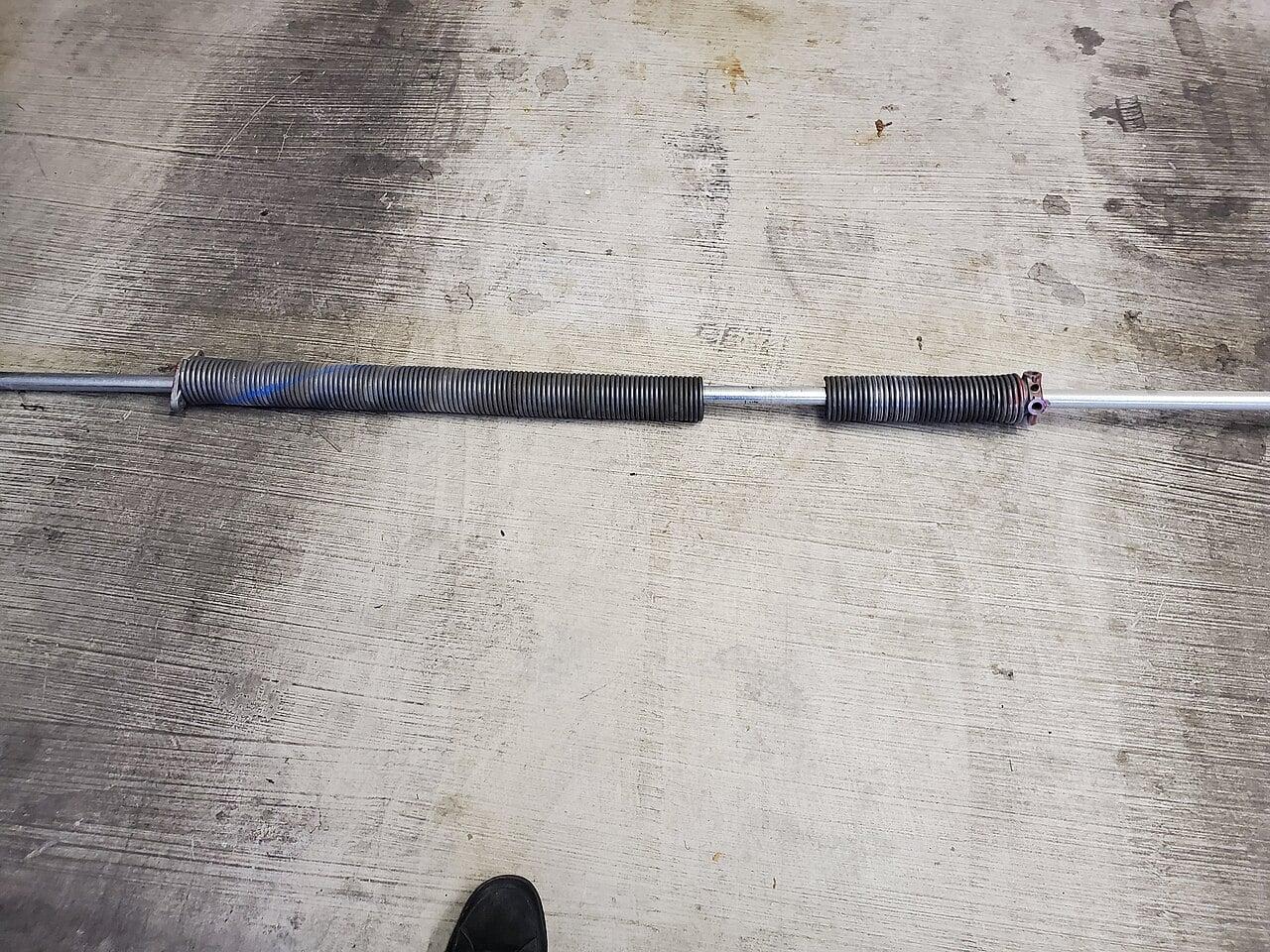
The drum is a cylindrical component fixed to each end of the torsion shaft. As the door closes, cables wind onto the drums, transferring rotational force to lift or lower the door via spring tension. Both drums must rotate in sync; if one drags or slips, the door tilts, creating binding in the tracks. The operator monitors motor current draw—uneven loading from a bad drum increases resistance, signaling a potential obstacle. Modern operators reverse after detecting 2-3 seconds of excess force to prevent damage or injury. This sensitivity means even minor drum issues can halt closure before the door reaches the safety photo eyes.
Common Drum Failures That Trigger Reversal
Wear is the primary culprit. Over time, the cable groove in the drum wears down, allowing cables to slip sideways and pile up. This piles creates high spots that snag or cause sudden jerking. Corrosion from moisture or road salt (common in Metro Vancouver winters) can pit the drum surface, increasing friction. A bent or loose drum set screw lets the drum rotate independently of the shaft, causing immediate cable misalignment. In rare cases, impact damage from a forklift or shifting header deforms the drum flange, physically blocking cable movement. Each fault disrupts smooth cable take-up, creating the resistance the operator interprets as an obstruction.
Symptoms You Can Observe and Hear
Start by watching the door close from inside the facility. If it reverses uniformly across the width, the issue is likely symmetric—both drums equally affected. If one side lags or the door skews, inspect that side’s drum first. Listen for a rhythmic thumping or clicking once per revolution, indicating a high spot on the drum surface. Visually, with power locked out, check for cables overlapping or escaping the groove—look for shiny wear marks or rust deposits. A drum that feels rough or wobbly when turned by hand (after disconnecting the opener) confirms internal damage. Note any recent impact events; even minor bends can accumulate stress over cycles.
What Facility Staff Can Safely Check
With the door fully open and disconnected from power, visually inspect both drums. Ensure cables sit neatly in the grooves without crossing over or fraying at the edges. Rotate each drum by hand—it should turn smoothly with consistent resistance, no grinding or flat spots. Verify the set screws are tight against the shaft flat; a loose screw allows rotation mismatch. Check shaft ends for play—excessive wobble suggests worn bearings, which indirectly affect drum alignment. Never attempt to adjust cable tension or remove drums while springs are wound; stored energy poses a lethal risk. If cables are off the drum or grooves are damaged, stop and call a technician.
Why DIY Repair Is Often Unsafe and Ineffective
Torsion springs store enough energy to cause severe injury or death if mishandled. Drum replacement requires releasing this tension via winding bars—a procedure demanding specific tools and training. Misaligned drums after repair can cause immediate cable failure or door collapse. Even if you access the drum, incorrect cable reinstallation leads to rapid re-occurrence of the symptom. Lubricating a worn drum might temporarily quiet noise but won’t fix geometric wear. Facilities in Vancouver, Burnaby, or Surrey should treat drum issues as mechanical faults requiring professional disassembly, not adjustable parameters you can tune with a wrench.
When to Call a Commercial Door Specialist
Contact a technician if the door reverses consistently before closing, especially with audible strain or visible cable misalignment. Intermittent reversals that worsen with temperature changes often indicate thermal expansion affecting a cracked drum. If safety eyes are clean and aligned, and the door opens fine but closes poorly, the drum/shaft assembly is the prime suspect. Specialists use tension gauges and alignment lasers to verify symmetry after repair—critical for preventing premature wear on new components. In Metro Vancouver’s industrial zones, salt air accelerates corrosion; annual inspections catch drum wear before it triggers safety reversals.
Frequently Asked Questions
### Can a faulty drum cause the door to reverse only sometimes?
Yes, intermittent reversal occurs when the drum wear or corrosion creates a high spot that only engages the cable at certain rotation points. As the door cycles, the cable may sit in the worn groove most of the time but occasionally catch on the raised edge, spiking resistance just enough to trigger the operator’s reverse logic. Temperature changes can exacerbate this by altering cable tension or drum expansion.
Is it safe to lubricate the drum to stop the reversal?
Lubricating a worn or corroded drum might reduce noise temporarily but does not address the underlying geometric damage causing cable misalignment or binding. If the drum groove is worn or the surface is pitted, lubricant will wash out quickly and give false confidence. This approach risks sudden cable failure if the underlying wear progresses unseen.
How do technicians verify drum alignment after repair?
After installing new or refurbished drums, technicians use cable tension gauges to ensure equal force on both sides and check that the door remains level throughout its travel. They also visually confirm cables track smoothly in the grooves without slipping and perform multiple open/close cycles to validate consistent operation before reconnecting automatic controls.