A commercial overhead door that reverses before reaching the floor on a belt drive system is most often caused by excessive force detected by the motor’s safety system, not an obstruction in the door’s path. This false trigger makes the door behave as if it hit something, even when the track is clear. The issue stems from misaligned components, worn belts, or incorrect force settings that cause the motor to sense abnormal resistance during closing.
How the Belt Drive System Detects Resistance
Belt drive openers use a motor with built-in force sensing to monitor current draw and movement speed. If the motor works harder than expected or slows abruptly, the control board interprets this as an obstruction and triggers reverse. This is a safety feature designed to prevent injury or damage. However, when no physical blockage exists, the fault lies in increased mechanical resistance elsewhere in the system—typically from belt slippage, pulley misalignment, or binding rollers.
Common Mechanical Causes of False Obstruction Detection
Worn or stretched belts are a frequent culprit. Over time, the belt loses tension, slips on the drive pulley, and causes inconsistent movement. The motor strains to maintain speed, spikes in current, and trips the reverse circuit. Similarly, misaligned pulleys or a belt riding off-center create edge wear and binding. Inspect the belt for fraying, glazing, or uneven wear. Check that it runs straight in the pulley grooves without rubbing the sides.
Role of Roller and Track Condition
Dirty, damaged, or inadequately lubricated rollers increase friction in the vertical and horizontal tracks. Bent tracks or debris buildup force the door to bind, especially near the floor where alignment is critical. Rollers that seize or wobble create drag the motor interprets as resistance. Clean tracks with a degreaser, inspect for dents or bends, and replace nylon rollers showing flat spots or corrosion. Lubricate stems and bearings with silicone-based lubricant—never grease, which attracts dirt.
Spring Balance and Door Weight Issues
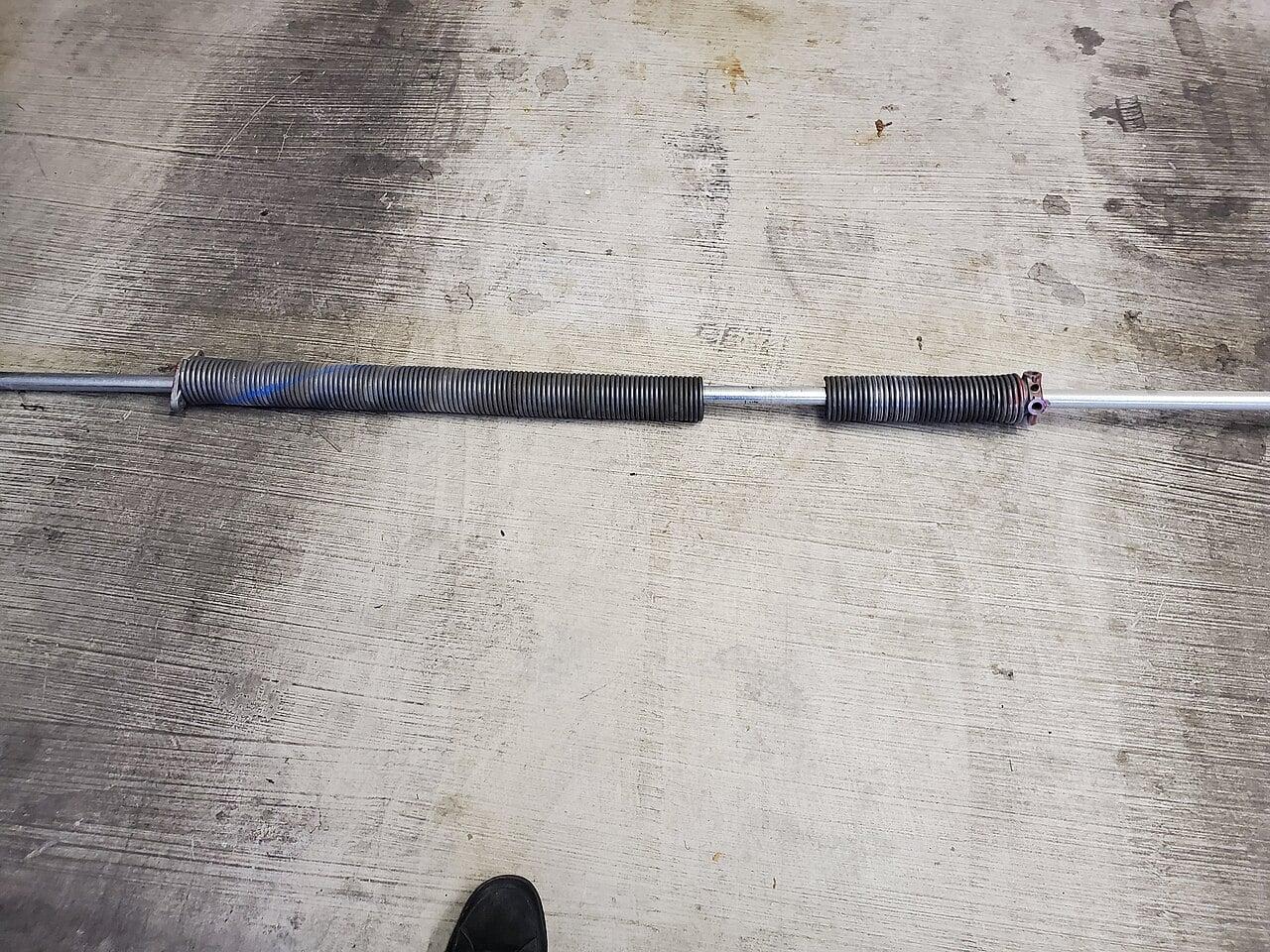
If the door is not properly balanced, the motor must compensate for excess weight during closing. A door that sags or feels heavy when disconnected from the opener indicates spring tension loss or misadjustment. Never adjust torsion springs yourself—they store lethal energy and require specialized tools and training. Extension springs, while less hazardous, still pose risks if mishandled. Check balance by disconnecting the opener and lifting the door manually; it should stay put at waist height and move smoothly with light resistance.
Limit and Force Settings Misadjustment
Incorrect close limit or force sensitivity settings can cause premature reversal. If the limit is set too short, the door stops before full closure and reverses on timeout. Excessive force sensitivity makes the system overly reactive to normal load variations. These settings are adjusted via dials or digital menus on the motor unit. Make small increments—1/8 turn at a time—and test after each change. Mark original positions before adjusting.
Electrical and Sensor Interference
Loose wiring at the motor unit or wall console can cause intermittent signals that mimic obstruction. Voltage drops or noise on the control circuit may trigger false reversals. Check for corroded terminals, frayed wires, or connectors that are not seated firmly. While rare, misaligned photo eyes (if present) can also cause reversal—but they typically prevent closing entirely, not reverse mid-cycle.
What You Can Safely Check Yourself
You can inspect belt condition, pulley alignment, roller movement, track cleanliness, and door balance without tools beyond a wrench and lubricant. Listen for squealing, slapping, or grinding noises during operation—these indicate belt slip or roller bind. Observe the belt’s path: it should remain centered in the pulley grooves from start to finish. If the door reverses consistently at the same point, measure track alignment and roller condition at that location.
When to Call a Technician
Contact a technician if belt replacement is needed, pulleys are damaged, tracks require straightening, or spring tension needs evaluation. Any work involving the torsion spring assembly, cable drums, or motor internal components is not a DIY task due to stored energy and precision alignment requirements. Persistent reversal after mechanical checks often points to a failing motor control board or degraded belt drive module, which requires diagnostic equipment.
Frequently Asked Questions
Can a weak belt cause the door to reverse only when closing?
Yes. A worn belt slips under load during closing when the motor pushes against the door’s weight, but may function normally during opening when gravity assists. This directional symptom is classic for belt-related resistance.
How do I know if the problem is the belt or the motor?
If the belt shows wear, slips visibly, or requires frequent tensioning, it is likely the source. If the belt is intact and aligned but the motor strains or overheats, the issue may be internal to the drive unit—though mechanical binding should be ruled out first.
Should I increase the force setting to stop the reversal?
No. Increasing force sensitivity masks the underlying problem and increases the risk of injury or damage if a real obstruction occurs. It also accelerates wear on belts, rollers, and motors. Fix the source of excess resistance instead.
CCGDS (604) 206-5727