In Metro Vancouver’s wet climate, commercial overhead door belt drives wear due to a combination of moisture absorption, temperature cycling, and contaminant exposure. The belt itself, typically made of polyurethane or neoprene with steel or Kevlar reinforcement, absorbs ambient humidity over time, causing the material to swell slightly and lose tensile strength. Repeated wetting and drying cycles create micro-cracks in the belt’s surface, especially where it bends around pulleys. Dust, road salt, and industrial particulates carried in wet air act as abrasives, grinding into the belt’s fibers and pulley grooves. This abrasion accelerates when the belt runs misaligned or under uneven tension, which is common in older installations where shaft bearings have begun to seize.
How Moisture Degrades Belt Materials
Polyurethane belts, while resistant to water, are not immune to hydrolysis—a chemical reaction where water molecules break polymer chains under sustained exposure. In cool, damp conditions common to BC winters, this process accelerates, making the belt brittle and prone to cracking. Neoprene belts handle moisture better but still suffer from plasticizer leaching; the oils that keep the material flexible migrate out over time, leaving it stiff and prone to snapping. You’ll see this as surface cracking that looks like dry rot, often starting at the belt’s edges where exposure is greatest.
The Role of Temperature Swings
Metro Vancouver’s climate features frequent shifts between near-freezing and double-digit temperatures, even within a single day. These cycles cause the belt material to expand and contract repeatedly. Unlike metal, polymers don’t return to their exact original shape after each cycle, leading to permanent deformation. Over time, the belt develops a permanent set—it no longer tracks true on the pulleys, causing edge wear and squealing. The pulleys themselves, often made of aluminum or zinc-coated steel, can develop light surface corrosion in wet conditions, creating rough spots that further abrade the belt.
Contaminant Buildup in Wet Air
Rain and fog in coastal BC carry airborne particulates—road salt from highways, concrete dust from construction sites, and organic matter from vegetation. When this moist air circulates through loading bays or warehouse entrances, it deposits a fine slurry on the belt and pulleys. This slurry acts like grinding compound, especially where the belt presses against the pulley flange. You might notice a dark, gritty residue on the belt’s underside or a squeaking sound that changes with humidity—wet conditions make it worse as the slurry becomes more fluid and penetrates deeper into the belt’s weave.
Misalignment and Tension Issues Exacerbated by Moisture
Wet conditions can cause slight rust or corrosion on shaft bearings and pulley shafts, increasing rotational resistance. When one side of the system drags more than the other, the belt runs at an angle, wearing unevenly. You’ll see one edge of the belt frayed or glazed while the opposite side looks intact. Similarly, belt tensioners that rely on springs or pneumatic systems can seize up in damp environments, causing over-tension or slack. Over-tension stretches the belt prematurely; slack allows it to flap and hit guards, causing impact damage. Both conditions produce a rhythmic slapping or ticking noise during operation.
What Wear Looks and Sounds Like
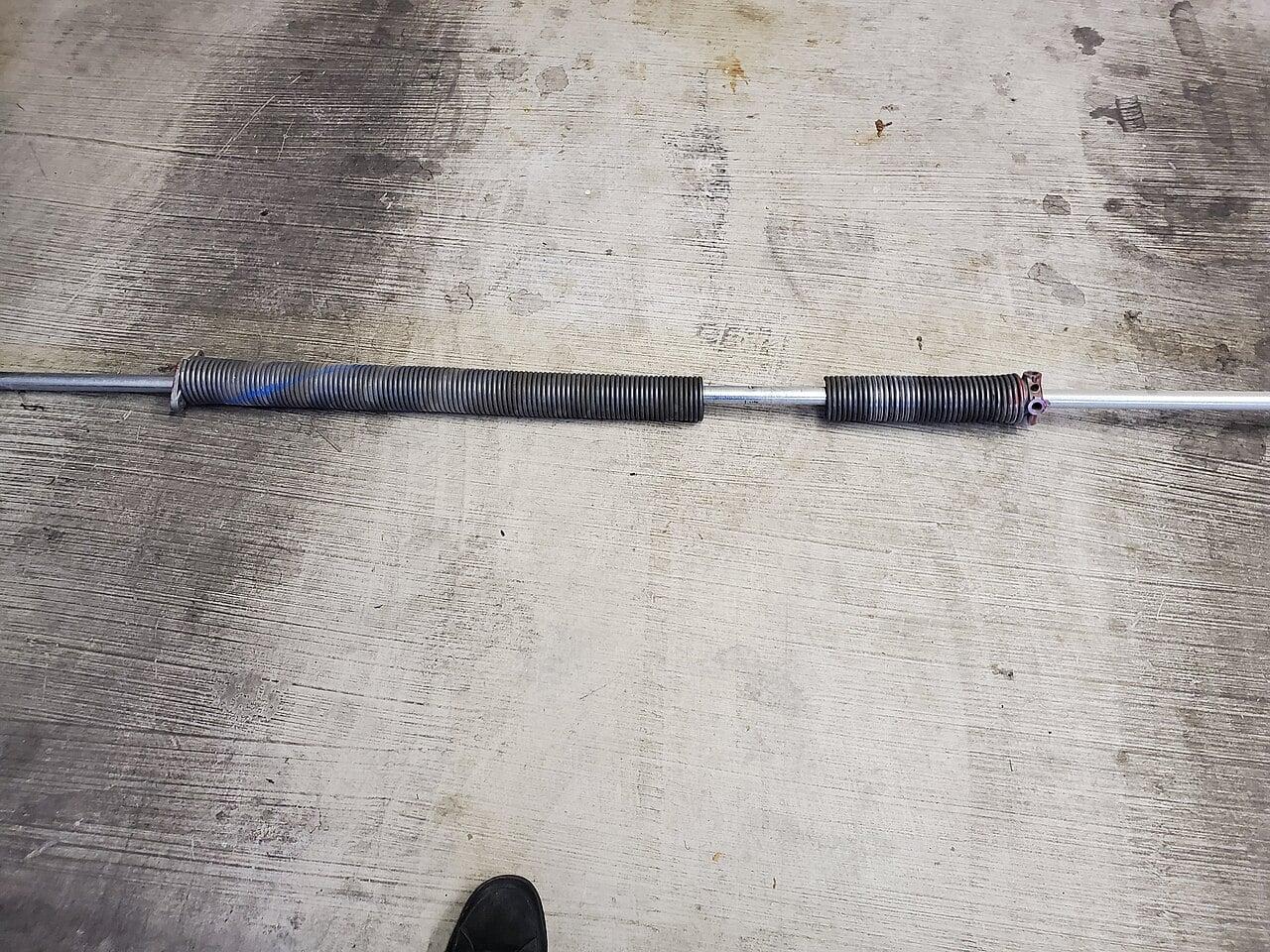
Early signs include a high-pitched squeal that worsens in damp weather, often mistaken for needing lubrication—but belt drives don’t require lubrication on the belt itself. As wear progresses, you’ll see visible cracking, fraying edges, or a glazed, shiny surface on the belt where it’s slipping. In advanced stages, the belt may develop flat spots or sections that feel hard and brittle to the touch. Operationally, the door may hesitate at certain points in its travel, jerk, or trigger safety reversals due to inconsistent speed. If the belt breaks completely, the door will hang unevenly or fail to move, but the torsion springs remain under extreme tension—do not attempt to disengage the opener or manually lift the door.
What You Can Check Yourself (Safely)
With the door fully closed and disconnected from power, visually inspect the belt for cracks, fraying, or uneven wear. Check pulley grooves for debris or corrosion buildup. Listen for squealing or slapping during manual operation—if you can safely disconnect the opener and lift the door by hand (only if torsion springs are intact and you’ve confirmed it’s safe), note any binding or uneven resistance. Never adjust belt tension or attempt to remove the belt if torsion springs are present—they store lethal energy and require specialized tools and training to service. If you see rust on shafts, excessive play in pulleys, or the belt is tracking off-center, those are signs to call a technician.
When to Call a Professional
Belt replacement itself is straightforward on many commercial operators, but only if the door is fully secured and springs are isolated. However, diagnosing why the belt failed—whether it’s misalignment, bearing seizure, or pulley damage—requires mechanical expertise. A technician will check shaft alignment, pulley wear, bearing integrity, and tensioner function. They’ll also verify that the replacement belt matches the original specifications for width, pitch, and tensile strength, as using an incorrect belt leads to rapid repeat failure. In wet climates, they may recommend a belt with enhanced hydrolysis resistance or a pulley guard to reduce contaminant exposure.
Frequently Asked Questions
### Can I use a residential belt drive on a commercial door in a wet climate?
No. Residential belts are narrower, lighter, and not designed for the cycle frequency or load of commercial doors. They’ll stretch, slip, or fail prematurely under commercial use, especially in damp conditions where material degradation is accelerated.
Does lubricating the belt help prevent wear in wet weather?
No. Belt drives are designed to run dry. Applying lubricant attracts dust and contaminants, which then form an abrasive paste that speeds up wear. It can also cause the belt to slip on the pulleys, leading to overheating and glazing.
How often should I inspect the belt in a coastal BC warehouse?
At minimum, every six months—ideally before the wet season starts and again after heavy rainfall periods. Look for cracking, check tension, and listen for noise changes. In high-exposure environments like loading bays facing prevailing winds, quarterly checks are advisable.