A noisy belt drive on a commercial overhead door usually means the belt is worn, misaligned, or the trolley assembly is binding. The sound is often a repetitive squeak, slap, or grinding noise that occurs during travel, especially at the same point in the door’s cycle. This is not normal operation and indicates mechanical wear that will worsen if ignored. Facility staff can often pinpoint the source with basic observation and simple checks before deciding whether to involve a service technician.
Checking Belt Tension and Condition
The belt itself is the first place to inspect. Over time, the reinforced rubber belt stretches, frays, or develops glazing from heat and friction. A loose belt will slap against the rail or trolley housing, creating a sharp cracking or popping sound with each revolution. A glazed or hardened belt produces a high-pitched squeal, particularly during acceleration or deceleration. To check tension, disconnect the opener and manually move the door to the midpoint. The belt should have about 1/4 inch of deflection when pressed sideways at the center of its span. If it deflects more than 1/2 inch or shows visible cracks, fraying, or missing teeth, it needs replacement. Do not attempt to adjust tension on a live system—disconnect power first.
Inspecting the Trolley and Rail Interface
The trolley that carries the door arm rides inside the rail and is driven by the belt. If the trolley wheels are worn, dirty, or lacking lubrication, they will bind or skip, causing a rhythmic grinding or clicking noise. Dirt, dust, or debris buildup inside the rail track is common in industrial environments and increases resistance. Examine the trolley wheels for flat spots or excessive play. Clean the rail interior with a dry brush and apply a silicone-based lubricant to the wheel contact surfaces—never use grease, as it attracts contaminants. If the trolley housing is cracked or the mounting bolts are loose, the assembly will tilt and bind, worsening noise and accelerating wear.
Evaluating the Drive Sprocket and Motor Shaft
The belt drives a sprocket attached to the motor shaft. If the sprocket teeth are worn, hooked, or clogged with debris, it will not engage the belt cleanly, causing a slipping or jumping sensation accompanied by a loud slapping or snapping noise. Check the sprocket for tooth profile integrity—each tooth should be uniform and sharp, not rounded or broken. Also verify that the sprocket is securely fastened to the motor shaft with no wobble. A loose set screw or keyway failure allows the sprocket to shift, changing belt alignment and creating uneven wear. Motor shaft bearings can also fail, producing a low growl or vibration that transfers through the system.
Assessing Door Balance and Hardware
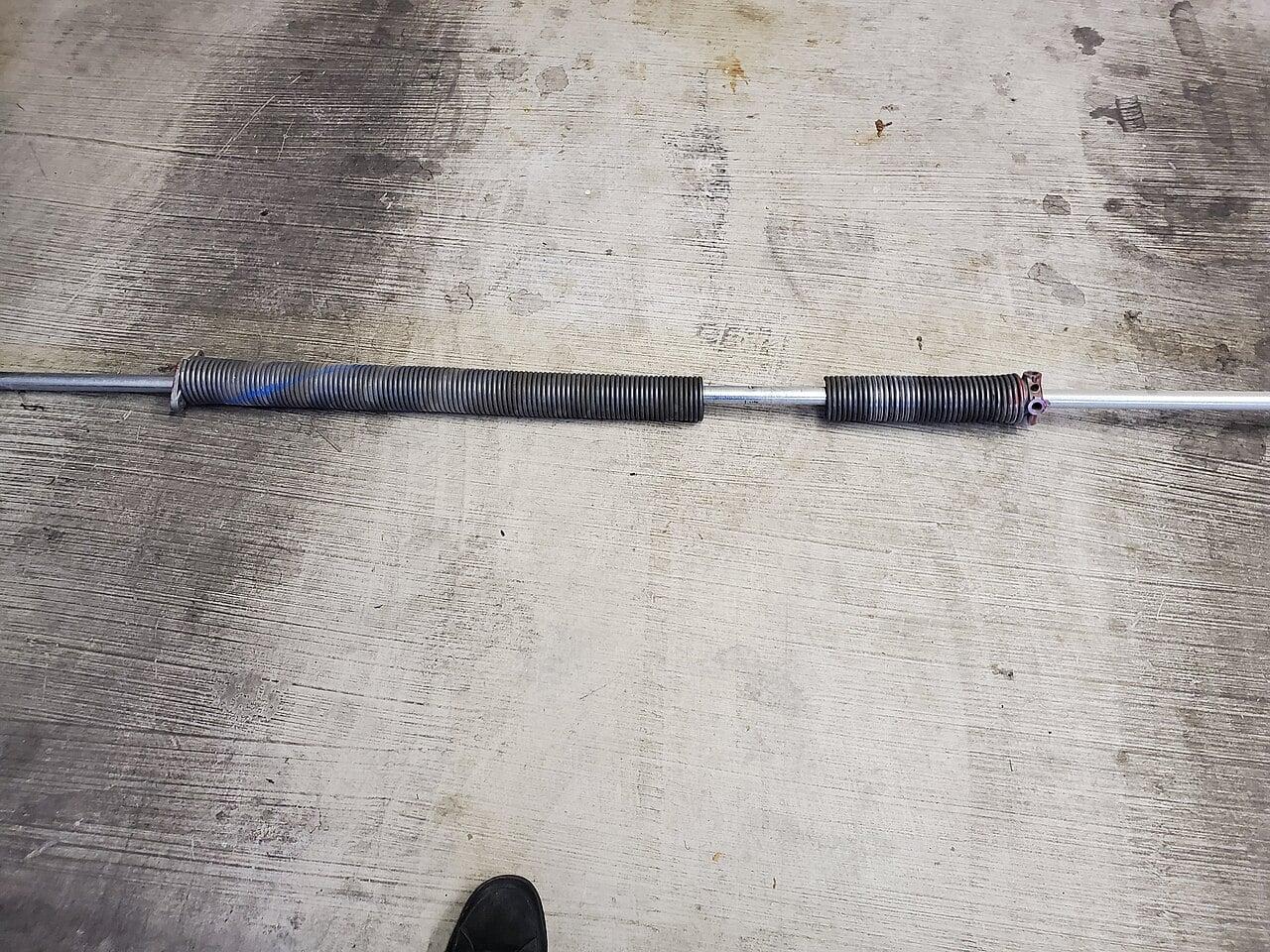
Sometimes what sounds like a belt drive issue is actually caused by an unbalanced door or failing hardware. If the door sags, binds, or requires excessive force to move manually, the opener works harder, amplifying any minor belt or trolley noise. Disconnect the opener and lift the door to waist height—it should stay in place without drifting up or down. If it falls or rises, the torsion springs are out of adjustment. Do not attempt to adjust torsion springs—they store lethal amounts of energy and must be serviced only by trained technicians. Check hinge rollers, track alignment, and cable condition for signs of wear or damage that could induce binding.
Environmental and Operational Factors
In Metro Vancouver facilities, moisture, temperature swings, and airborne particulates contribute to belt drive noise. Humidity can cause the belt to absorb moisture and swell, altering tension. Cold temperatures make rubber belts stiffer and more prone to squeaking. Dust from wood, paper, or manufacturing processes accumulates in the rail and on the belt, increasing abrasion. Regular cleaning of the rail and belt with a dry cloth, combined with periodic inspection, prevents many noise issues. Lubricate only the trolley wheels and hinges with silicone spray—never lubricate the belt itself, as it degrades the rubber and attracts dirt.
When to Call a Technician
If the noise persists after checking belt tension, cleaning the rail, and verifying trolley movement, or if you observe sprocket wear, motor vibration, or door imbalance, contact a service provider. Belt replacement and trolley service are routine, but motor internal failures, sprocket shaft issues, or spring-related problems require professional tools and expertise. CCGDS provides diagnostic and repair services for commercial overhead door systems across Metro Vancouver. For assistance with noisy belt drives or related concerns, call (604) 206-5727.
Frequently Asked Questions
Can I lubricate the belt to reduce noise?
No. Lubricating the belt with oil, grease, or silicone spray degrades the rubber compound and reduces its grip on the sprocket, leading to slippage and premature failure. Belts are designed to run dry. Noise reduction comes from proper tension, alignment, and clean components—not lubrication.
How often should I inspect the belt drive system on a commercial door?
For high-cycle doors (over 20 cycles per day), inspect the belt, trolley, and rail monthly. For moderate use, quarterly checks are sufficient. Look for belt wear, rail debris, trolley wheel condition, and sprocket integrity during each inspection.
Is a noisy belt drive dangerous?
The belt drive itself is not inherently dangerous, but ignoring the noise can lead to sudden belt failure, which may cause the door to drop unexpectedly if the brake fails. More critically, attempting to fix related issues like torsion spring imbalance without training poses a severe risk of injury. Always prioritize safety and consult a technician for spring or cable concerns.