Misaligned photo-eye sensors are a common cause of commercial overhead doors refusing to close or reversing unexpectedly. On extension spring systems, the sensors are typically mounted near the floor on each side of the door opening, connected to the operator via low-voltage wiring. When the infrared beam between them is blocked or misaligned, the door interprets this as an obstruction and will not close, often flashing the operator lights or producing a clicking sound without movement. This is a safety feature designed to prevent entrapment, but it can be triggered by simple misalignment from vibration, impact, or settling.
Identifying Sensor Misalignment Symptoms
The most reliable sign is a door that opens normally but fails to close when activated via wall button, remote, or access control system. You may see the operator’s indicator lights flashing in a specific pattern—often rapid blinking—or hear the motor attempt to start then shut off immediately. Unlike torsion spring systems, extension spring doors usually operate more slowly and with more visible cable and pulley movement, so hesitation during closing is easier to observe. Check for physical obstructions first: debris, ice, or equipment blocking the beam path. If the path is clear but the door still won’t close, sensor alignment is the likely issue.
How Extension Spring Systems Differ
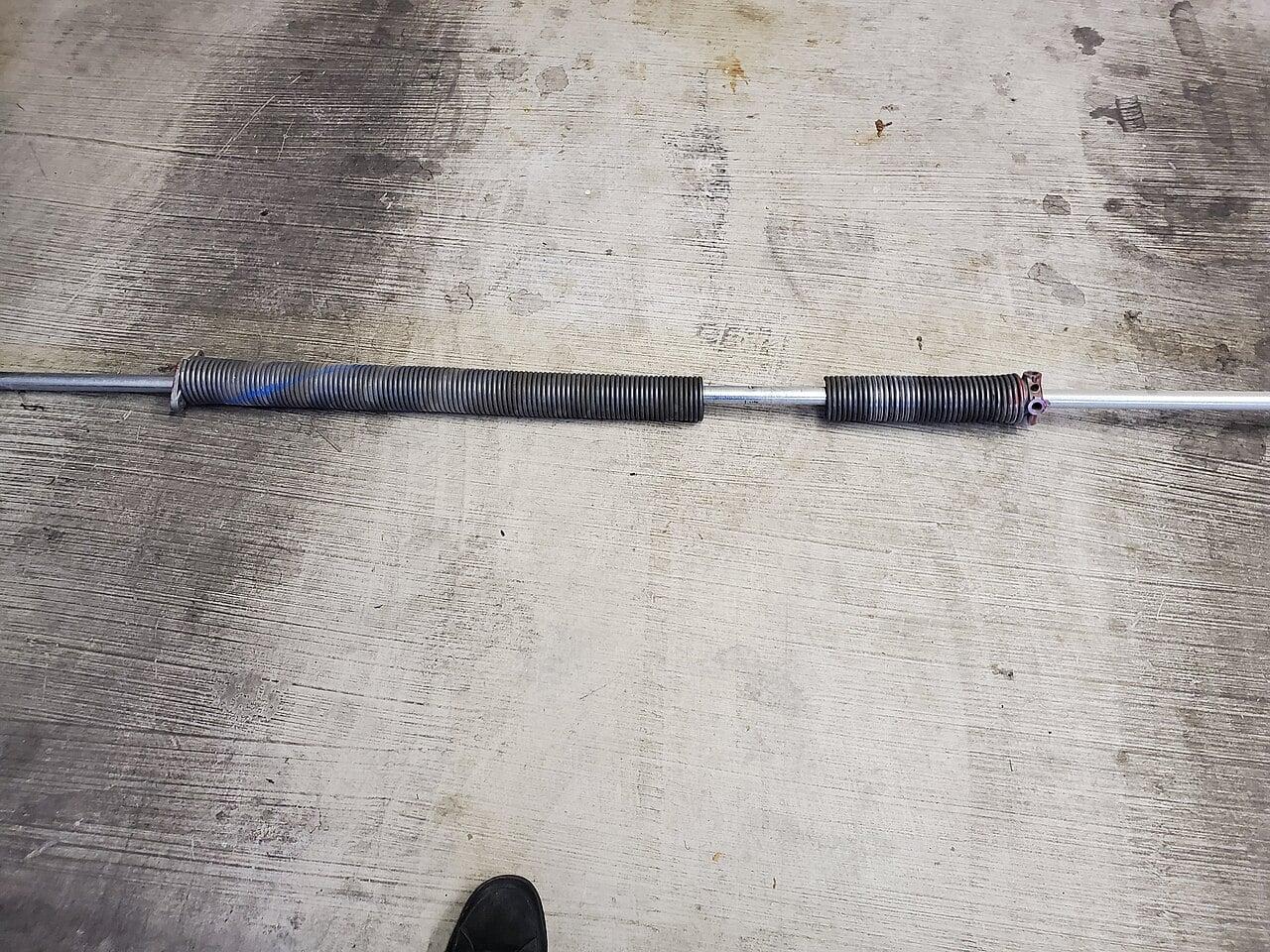
Extension spring commercial doors use springs mounted above the horizontal tracks, stretching and contracting as the door moves. This creates more vibration and lateral movement compared to torsion systems, which can gradually knock sensors out of alignment over time. The sensor brackets are often attached to the vertical track or jamb with adjustable screws, allowing small horizontal and vertical tweaks. Because the springs store significant energy when the door is open, never attempt to adjust or remove springs, cables, or bottom brackets—these are high-tension components that can cause severe injury if released unexpectedly.
Checking Sensor Alignment Yourself
Start by verifying both sensor LEDs are lit steadily. One sensor sends the beam; the other receives it. If one or both lights are off, flickering, or dim, check the wiring connections at the sensor and operator terminals for looseness or corrosion. If power is present but alignment is off, loosen the mounting screws just enough to allow movement. Use a string or laser level stretched between the sensors to confirm they are pointing directly at each other—both horizontally level and at the same height. Adjust until both sensor LEDs glow steadily without flickering, then tighten the screws securely. Test the door cycle several times to ensure consistent operation.
When Alignment Fixes Don’t Work
If the sensors appear aligned but the door still refuses to close, the issue may be a broken wire, failed sensor, or faulty operator logic board. Extension spring systems often run wiring along the track and up to the header, where it’s exposed to moisture, pests, or physical damage from carts or pallets. Use a multimeter to check for continuity in the sensor wires if you’re qualified to do so. Never bypass the safety circuit—this defeats a critical entrapment protection mechanism and violates workplace safety regulations. If sensors, wiring, and alignment check out but the problem persists, the fault likely lies in the operator or control system.
Safety Limits for DIY Work
Adjusting sensor alignment is a low-risk task that facility staff can perform safely with basic tools. However, any work involving the extension springs, cables, pulleys, or bottom bracket assembly requires specialized training and tools. These components operate under extreme tension—release can result in sudden, violent movement capable of causing fatalities. If you notice frayed cables, stretched springs, or uneven door movement, stop and contact a qualified technician. The same applies to replacing sensors or running new wiring; while not high-voltage, improper installation can lead to recurring faults or non-compliance with safety standards.
Frequently Asked Questions
Can sunlight interfere with sensor operation?
Yes, direct sunlight can overwhelm the infrared receiver, especially on south- or west-facing doors in British Columbia summers. This typically causes intermittent failure during specific times of day. Using sun shields or slightly adjusting the sensor angle downward can mitigate this without compromising safety.
How often should sensors be checked on a commercial door?
Include sensor alignment in monthly preventive maintenance checks for high-cycle warehouse or loading dock doors. Vibration from frequent operation is the primary cause of drift, so quarterly checks are the minimum for lower-use facilities.
Are wireless sensors a reliable alternative for extension spring doors?
Wireless photo-eye kits exist and can eliminate wiring faults, but they require consistent battery maintenance and clear line of sight. In industrial environments with dust, temperature swings, or radio interference, wired sensors remain more dependable for critical access points.
CCGDS (604) 206-5727