When a commercial overhead door with a chain drive operator fails to open, the issue is typically mechanical or electrical in the drive system, not the door panels themselves. Start by checking if the motor hums when activated but the chain doesn’t move—this points to a drive train problem. If there’s no sound at all, verify power to the operator and check for tripped breakers or blown fuses. A common mechanical failure is a broken or detached drive chain; inspect the chain for missing links, excessive slack, or disconnection from the sprocket on the motor shaft or the trolley. Another frequent issue is a stripped sprocket gear on the motor output shaft, which allows the motor to spin without turning the chain. Listen for a whirring or racing motor sound with no door movement—this indicates internal gear failure. The trolley carriage may also be jammed or disengaged from the chain; ensure the emergency release rope hasn’t been pulled and that the trolley is properly engaged with the chain block. If the door feels unusually heavy when lifted manually (with power disconnected and the door in the down position), suspect a torsion spring issue—but do not adjust or inspect springs yourself, as they store lethal energy and require specialized tools and training. Voltage drop across long wiring runs or a failing capacitor can also cause weak motor performance; use a multimeter to check for proper voltage at the operator terminals during activation. Environmental factors like frozen grease in cold weather or debris obstructing the chain path can mimic drive failures—clear ice, dirt, or obstructions from the chain and sprocket areas. Lubricate the chain with a silicone-based lubricant if it’s dry or corroded, but avoid grease that attracts dust. If the motor runs, the chain is intact, and the trolley is engaged but the door still won’t move, the problem may lie in the door’s rollers, hinges, or track alignment—inspect for bent rollers, loose hinges, or obstructed tracks. Never operate a door with known mechanical faults, as it can cause further damage or create a hazard. For electrical diagnostics, always disconnect power before inspecting wiring or components. If the motor is hot to the touch after brief operation, it may be overheating due to internal winding failure or excessive load. In summary: check power, listen for motor activity, visually inspect the chain and sprocket engagement, test manual door movement (with springs considered hazardous), and rule out mechanical binding. If the chain is broken, sprockets are stripped, or electrical components fail testing, professional repair or replacement is required. Torsion spring adjustments are not DIY under any circumstances due to the risk of sudden energy release.
Common Chain Drive Failures in Commercial Operators
The most frequent point of failure in a chain drive system is the master link or a corroded link that has fatigued and snapped. Chains in industrial environments are exposed to moisture, dust, and temperature cycling, which accelerates wear—especially if not lubricated periodically. A broken chain will often hang loose or pile up at one end of the rail, and the trolley will not travel when the motor runs. Inspect the entire chain length by manually advancing it (with power off) to check for stiff links or corrosion. Sprocket wear is another critical issue; the teeth on the motor shaft sprocket or the trolley chain block can become hooked or worn flat, allowing the chain to slip under load. Use a flashlight to examine sprocket profiles—sharp, uniform teeth indicate good condition; shark-fin shaped teeth mean replacement is needed. Misalignment between the motor sprocket and the trolley sprocket causes uneven wear and chain jumping; verify both sprockets are in the same plane and securely fastened.
Electrical Issues That Mimic Mechanical Failure
Sometimes the motor receives insufficient voltage to generate adequate torque, even if it hums or runs weakly. This can stem from undersized wiring, long conduit runs, or corroded connections at the terminal block. Use a multimeter to measure voltage at the operator’s input terminals while the door button is pressed—it should match the supply voltage (typically 115V or 230V AC). A significant drop indicates a wiring problem. Start capacitors, which provide the phase shift needed for motor startup, can fail over time; a bad capacitor may allow the motor to hum but not start turning. Capacitor testing requires a meter with capacitance function and should only be done by someone familiar with electrical safety. Control circuit issues—like a faulty wall button, broken wire in the control loop, or malfunctioning radio receiver—can prevent the motor from energizing at all. Bypass the wall button momentarily with a jumper wire (after confirming it’s safe to do so) to test if the operator responds.
When Manual Operation Reveals the Real Problem
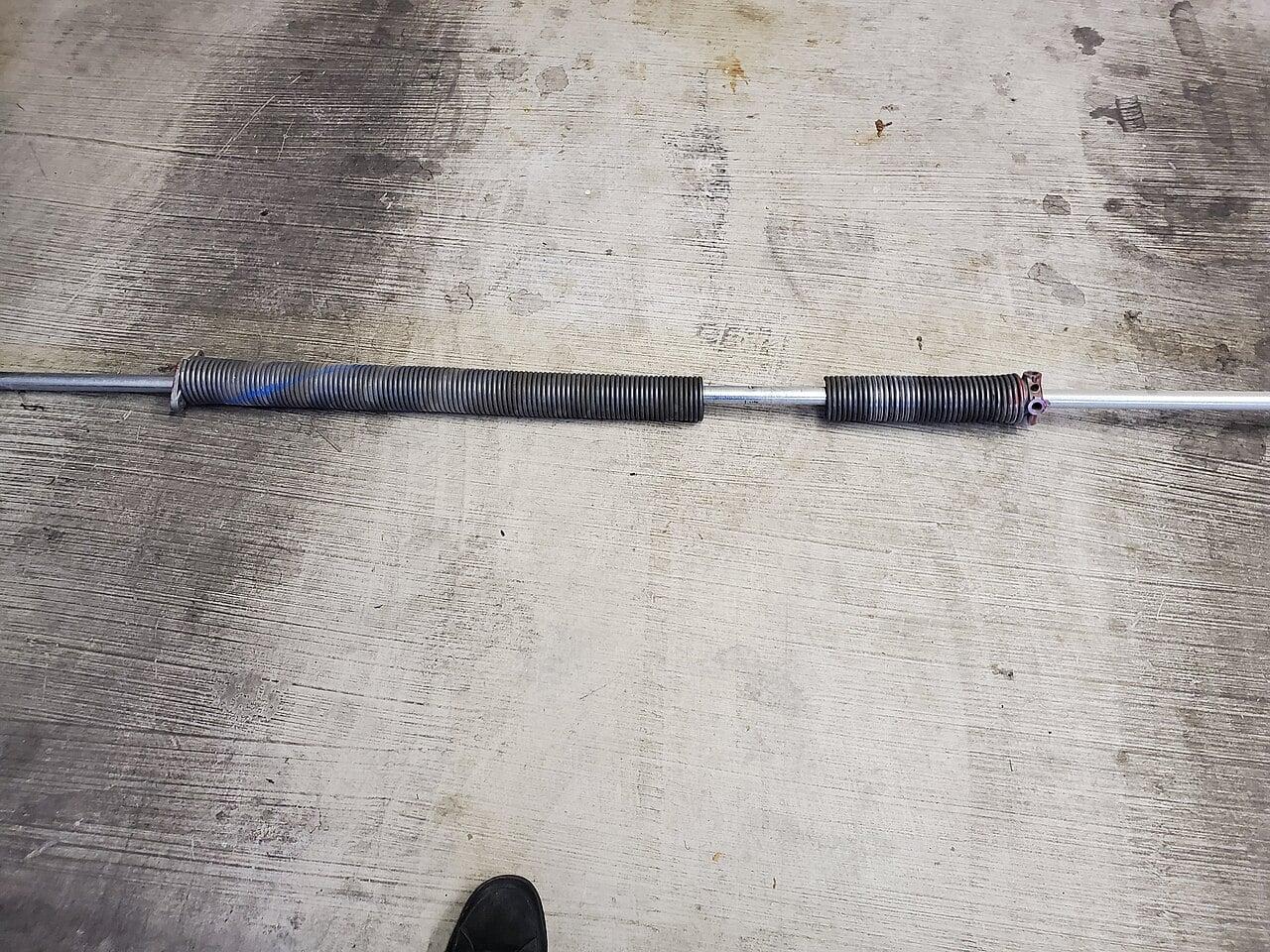
Disconnect power and pull the emergency release rope to disengage the trolley from the chain. Attempt to lift the door manually. If it moves smoothly and stays open or closed without drifting, the door itself is likely balanced and the issue is isolated to the operator or drive chain. If the door is extremely heavy, won’t stay put, or slams shut, the torsion springs may be broken or losing tension—this is a high-risk condition. Torsion springs are wound tight and store enough energy to cause severe injury or death if mishandled. Never attempt to adjust, remove, or inspect torsion springs without proper training and tools. Similarly, if the door binds or sticks at a specific point during manual travel, check for bent rollers, loose hinge screws, or debris in the tracks. Misaligned tracks can cause rollers to jump out or bind, increasing the load on the operator to the point of stall. Loosen track bolts slightly, tap the track into alignment with a rubber mallet, then retighten—only if you’re confident in the procedure and the door is secured.
Safety Interlocks and Limit Switches That Prevent Operation
Modern commercial operators include safety features that can prevent the door from opening if triggered. A common issue is a misaligned or obstructed photo-eye sensor (if installed), which creates a false obstruction signal. Clean the lenses and verify the sender and receiver are aligned—indicator lights should be solid, not flashing. Another overlooked factor is the door’s top limit switch; if it’s set incorrectly or has failed, the operator may think the door is already open and refuse to run further. Manually trip the limit lever (with power off) to see if it moves freely—stiff or broken levers need replacement. Some units also have a timer-to-close feature that can be misinterpreted as a failure to open if the door is expected to stay open but closes automatically after a set time. Review the control panel settings if accessible.
Frequently Asked Questions
### Can I lubricate the chain with WD-40 to fix a noisy or stiff drive?
No. WD-40 is a water displacer and light lubricant that attracts dust and dries quickly. Use a silicone-based or synthetic chain lubricant designed for door operators. Apply it sparingly to the inside of the chain links while manually cycling the door to work it in.
Is it safe to reset the operator by unplugging it for a few minutes?
Power cycling can clear minor control glitches, but if the problem is mechanical—like a broken chain or stripped sprocket—it will not resolve the issue. Always disconnect power before inspecting or touching any moving parts.
Why does the motor run but the chain doesn’t move, even though the chain looks intact?
This usually means the sprocket on the motor shaft is spinning freely inside its bore due to a worn keyway or stripped set screw, or the sprocket teeth are worn to the point of slipping. The motor turns, but no torque is transferred to the chain.