When a commercial overhead door with a chain drive operator fails to close, the issue typically stems from mechanical obstruction, limit switch misadjustment, or chain tension problems—not electrical failure in most cases. The door may stop mid-cycle, reverse immediately upon attempting to close, or the motor may hum without moving the chain. This guide explains the physical mechanics, observable symptoms, and safe diagnostic steps for facility staff before considering service calls.
How Chain Drive Operators Actually Work
A chain drive operator uses an electric motor to turn a sprocket that pulls a roller chain, which is connected to a trolley. The trolley moves along a rail, pushing or pulling the door arm attached to the door. Limit switches—adjustable cams on the motor shaft—tell the motor when to stop opening or closing by physically triggering micro-switches. If the door doesn’t close, the motor may run but the chain isn’t moving, or it moves then stops abruptly due to a safety interrupt.
Common Mechanical Obstructions
Obstructions in the door’s path are the most frequent cause of a door refusing to close. This includes debris in the track, damaged rollers, or a bent track preventing smooth roller movement. Check for visible objects in the track, especially near the bottom where pallets or equipment might accumulate. Listen for grinding or scraping sounds as the door attempts to close—these indicate physical resistance. Manually disengage the trolley (by pulling the emergency release cord) and try to move the door by hand. If it binds or sticks, the issue is in the door hardware, not the operator.
Chain and Trolley Issues
The chain itself can become loose, jump sprocket teeth, or break. A loose chain may sag and disengage from the sprocket, causing the motor to spin without moving the trolley. Inspect the chain for proper tension—it should have about 1/4 inch of vertical deflection midway between sprockets. If the chain is excessively loose or shows signs of wear (stiff links, rust, elongation), it needs adjustment or replacement. Also check the trolley: ensure it’s securely attached to the chain and that the arm connecting it to the door isn’t bent or detached.
Limit Switch Misadjustment
Limit switches control how far the door travels in each direction. If the close limit is set too far, the door may hit the floor and trigger the safety reverse mechanism (assuming it’s equipped with one). If set too short, the motor stops before the door is fully closed. Locate the limit adjustment screws on the motor unit—usually labeled ‘UP’ and ‘DOWN’. Turning the ‘DOWN’ screw counterclockwise increases close travel. Make small adjustments (1/8 turn at a time) and test after each change. Never operate the door with limits set so it slams into the floor.
Safety Sensor Interference
Modern commercial operators often include photoelectric safety sensors near the bottom of the track. If the beam is blocked, misaligned, or the lenses are dirty, the operator will refuse to close as a safety precaution. Check for a blinking light on one or both sensors—this indicates misalignment or obstruction. Clean the lenses with a soft cloth and ensure both sensors show a steady light. Verify nothing is blocking the beam, including dust, spider webs, or low-hanging equipment.
Motor and Electrical Checks
If the motor hums but the chain doesn’t move, the issue could be a failed starting capacitor, worn motor gears, or a seized brake. However, diagnosing internal motor components requires disassembly and is not a DIY task due to electrical risk and precision reassembly needs. If the motor is silent when activated, check for power at the unit and ensure the disconnect switch is on. Verify the control station (wall button or radio) is functioning by testing with a known-good alternate if available.
What Facility Staff Can Safely Check
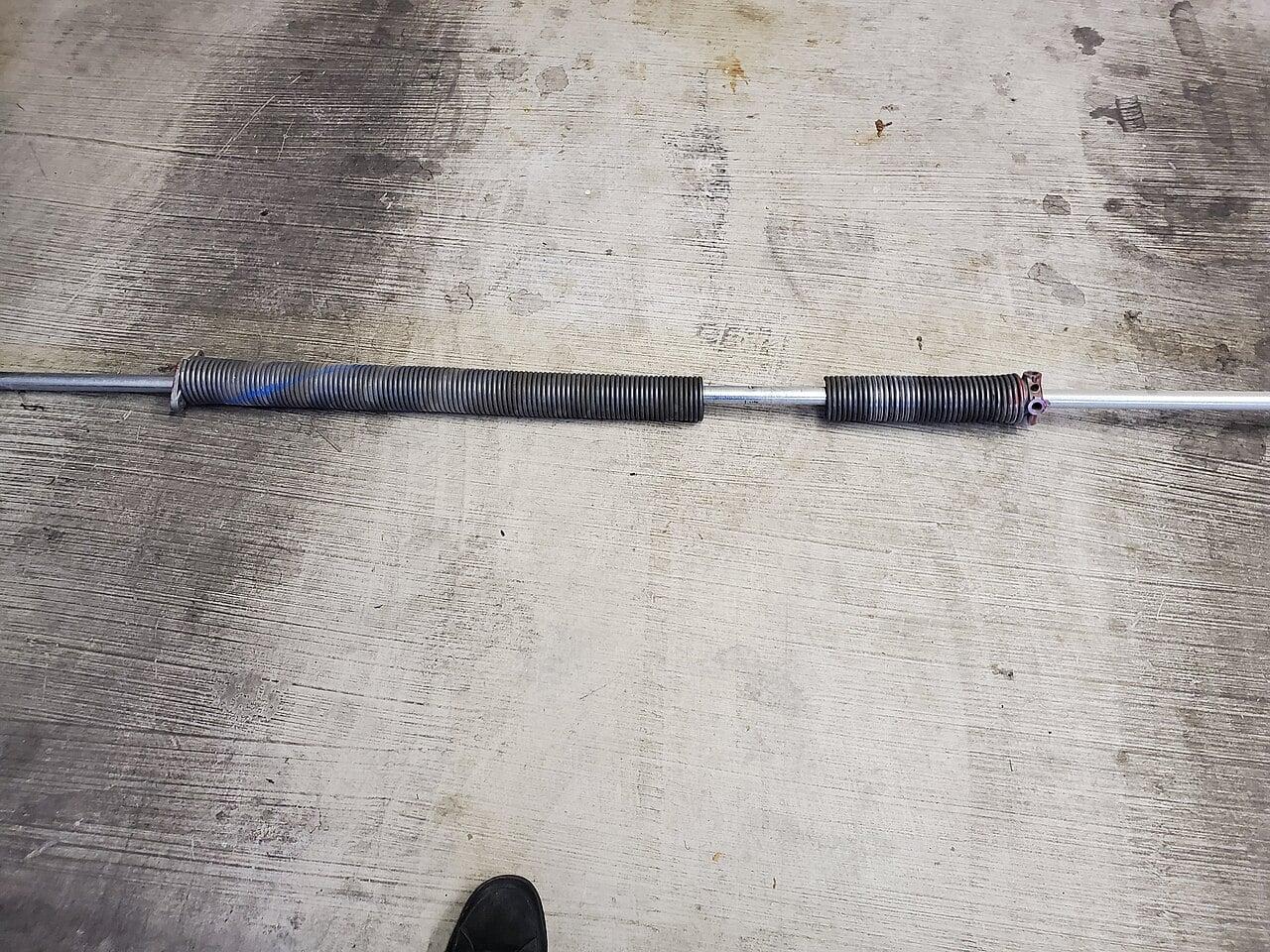
You can safely: inspect for track obstructions, check chain tension and condition, clean and align safety sensors, visually inspect rollers and hinges for damage, and manually test door movement after disengaging the trolley. You can also attempt small limit switch adjustments if the door stops short of closed. Do not attempt to adjust or repair torsion springs, cables, or internal operator gearing—these are under high tension and can cause severe injury if mishandled. If the door moves unevenly, makes loud snapping noises, or the chain is broken, stop operation and contact a qualified technician.
When to Call a Specialist
Call a technician if: the door reverses immediately upon closing despite no visible obstruction, the motor runs but the chain doesn’t move, the chain is broken or jumped sprocket, limit adjustments don’t resolve the issue, or you suspect motor or capacitor failure. Also call if the door fails to close after manual operation shows smooth movement—this points to an operator-specific fault. For chain drive diagnostics or service in Metro Vancouver, contact CCGDS at (604) 206-5727.
Frequently Asked Questions
### Can a power surge cause the door to stop closing?
A power surge can damage the operator’s circuit board or motor capacitor, potentially preventing proper motor function. However, this usually results in no movement at all rather than a close-specific failure. If the door opens normally but won’t close, the issue is more likely mechanical or limit-related.
How often should chain drive operators be lubricated?
The chain and sprocket should be lubricated every 3-6 months with a light machine oil or manufacturer-recommended chain lubricant—never grease, which attracts dirt. Apply lubricant while slowly cycling the door to ensure even distribution. Wipe off excess to prevent drips.
Why does my door close fine in the morning but not in the afternoon?
Temperature changes can affect metal components and limit switch settings. Thermal expansion may cause slight track misalignment or increase friction in rollers. Check for binding during manual operation at different times of day, and verify limit switches aren’t drifting due to heat-sensitive components.