When a commercial overhead door starts to close but reverses before the panel reaches the floor, it’s usually a safety system responding to a perceived obstruction or imbalance. This isn’t random—it’s the door’s built-in protection mechanism activating due to a fault in one of several subsystems. Facility staff should treat this as a diagnostic clue, not a nuisance, because ignoring it can lead to component wear or unsafe operation.
Safety Sensor Misalignment or Contamination
The most frequent cause of premature reversal is a fault in the photoelectric safety sensors mounted near the floor on either side of the door opening. These sensors emit an invisible infrared beam between them. If the beam is broken—by dust, misalignment, or physical obstruction—the door controller interprets it as an object in the path and triggers reversal to prevent crushing. Check for cobwebs, dirt, or moisture on the sensor lenses. Even a slight bump from a pallet jack can knock one sensor out of alignment, breaking the beam. Look for steady indicator lights on both sensors; blinking or off lights mean misalignment or failure. Cleaning lenses with a dry cloth and verifying alignment by sighting along the sensor housings often resolves this. If lights remain faulty after cleaning, the sensor wiring or unit may need replacement—this is low-voltage work but still requires electrical safety awareness.
Obstruction in the Door Track or Rollers
Physical debris in the vertical or horizontal tracks can cause rollers to bind or jump, creating sudden resistance the motor interprets as an obstacle. Common culprits include broken pallet straps, ice buildup in unheated facilities, or accumulated gravel and grit. Listen for grinding or clicking noises as the door moves—these indicate roller or track issues. Visually inspect the tracks for dents, bends, or foreign objects. Spin each roller by hand; they should turn freely without wobble or flat spots. Lubrication with a silicone-based product helps, but never use grease, which attracts dirt. If a track is bent or a roller is seized, replacement is needed. Track work involves loosening bolts under tension; incorrect reassembly can cause binding or cable derailment, so this is best left to technicians unless you have experience with commercial door systems.
Imbalanced Door or Spring Tension Issues
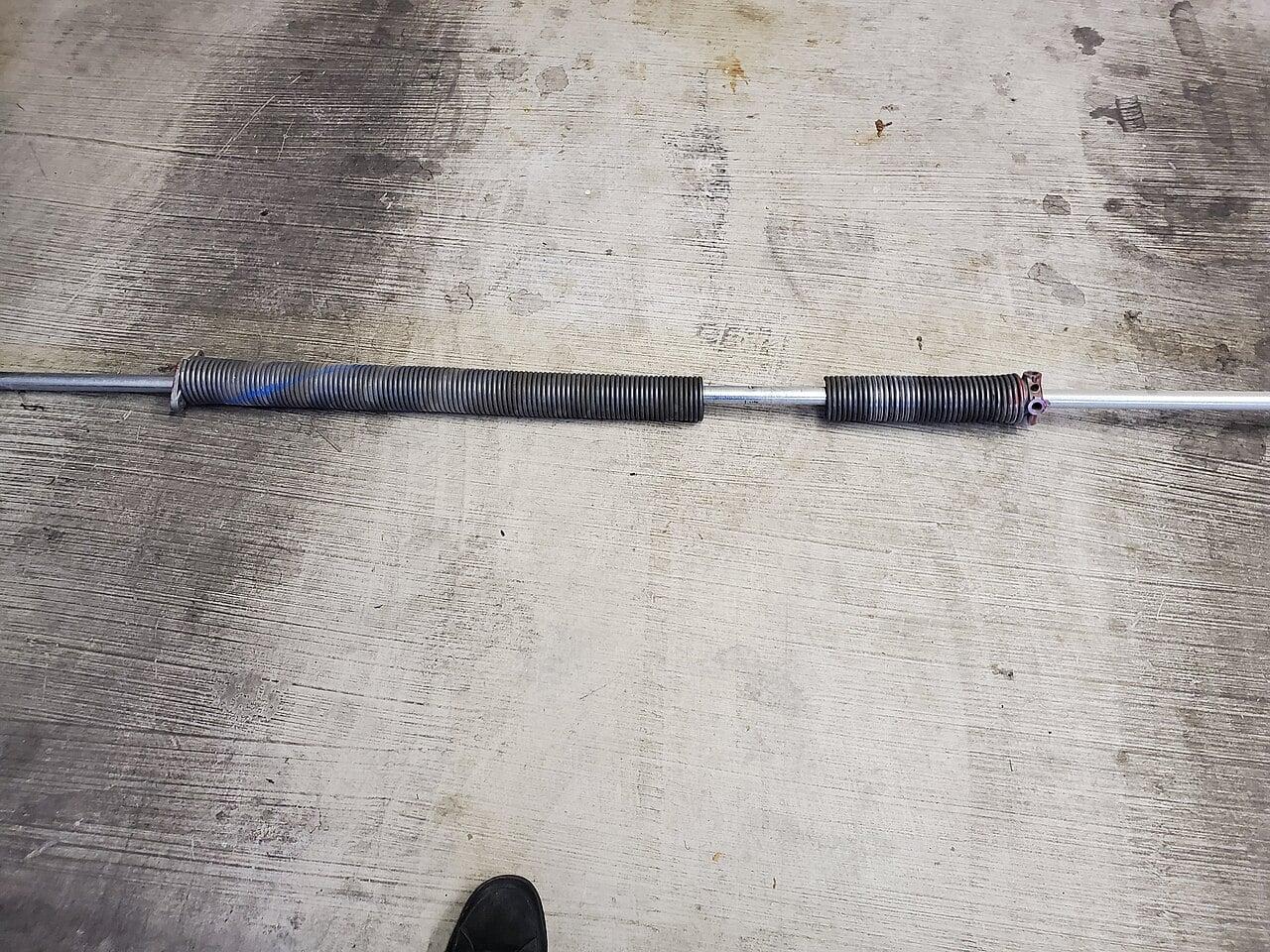
If the door feels heavy when lifted manually or drifts when stopped mid-travel, the spring system may be out of balance. Torsion springs counterbalance the door’s weight; if they lose tension or one breaks, the motor strains to close the door. The controller detects excessive current draw and reverses, thinking it’s hit an obstruction. You might hear the motor strain or see the door move unevenly. Checking balance requires disconnecting the opener and lifting the door by hand—it should stay put at any height and feel neutral. If it drops or rises, springs need adjustment. Never attempt to adjust or replace torsion springs. They store lethal amounts of energy and can cause fatal injury if mishandled. Only trained technicians with proper tools should handle spring systems. Cable fraying or drum wear can also cause imbalance and should be inspected visually from a safe distance.
Limit Switch or Force Setting Misconfiguration
The door’s travel limits and force sensitivity are set during installation. If the close limit is set too short, the door stops before hitting the floor and may reverse due to timeout. Excessive force sensitivity can also trigger reversal on normal resistance. These settings are adjusted via dials or menus on the motor unit. Facility staff can check if the door stops consistently at the same point above the floor—indicating a limit issue—or if it reverses only when encountering light resistance like a wind flap. Adjusting limits is low-risk, but force settings require care: set too high, and the door won’t reverse on a real obstruction; too low, and it reverses falsely. Make small changes and test after each adjustment. If settings won’t hold or the door behaves erratically, the control board may be failing.
Wiring Interference or Control Board Fault
Loose, corroded, or damaged wiring in the safety sensor circuit or motor inputs can send intermittent false signals. Vibration from frequent cycling can loosen terminals over time. Inspect visible wiring for cracks, rodent damage, or water ingress—especially in older facilities or those with washdown cycles. Use a multimeter to check sensor continuity if trained, but avoid probing live terminals. Control board faults are less common but can cause erratic behavior like random reversal. These require diagnostic equipment to read error codes or test outputs. Unless you have electrical training and lockout/tagout certification, do not open the control box. Power must be isolated before any internal inspection.
What Facility Staff Can Safely Check
Start with the basics: clear the door path, clean sensor lenses, and verify indicator lights. Listen for abnormal noises and manually test door balance after disconnecting power. Inspect tracks and rollers for obvious damage or debris. Document what you observe—when it happens, how often, and any patterns (e.g., only in cold weather or after a shift change). This information speeds up professional diagnosis. Never bypass safety features to ‘get the door working.’ If the door reverses consistently and basic checks don’t reveal the cause, stop using it and call a qualified technician.
Frequently Asked Questions
Can a dirty lens really cause the door to reverse?
Yes. Dust, moisture, or condensation on the photoelectric sensor lenses scatters the infrared beam, breaking the circuit even if nothing is physically blocking the path. This is especially common in dusty warehouses or facilities with frequent washdowns. A microfiber cloth usually restores function.
How do I know if it’s a spring problem and not just the sensors?
If the door reverses even when the safety sensors are lit and aligned, and you hear the motor strain or see uneven movement, suspect spring imbalance. Manually lifting the door (opener disconnected) will reveal if it’s heavy or drifts—signs springs need attention. Never adjust springs yourself.
Should I keep using the door if it reverses sometimes?
No. Intermittent reversal indicates an unresolved fault that could worsen or fail to protect during a real entrapment risk. Continued use strains the motor and tracks. Treat it as a fault requiring diagnosis, not an intermittent glitch to ignore.