Commercial overhead door chain drives typically last between 10 and 15 years under normal use in industrial or warehouse settings. This lifespan depends on cycle frequency, maintenance consistency, environmental exposure, and the quality of the original installation. A chain drive is not a wear-free component; it undergoes gradual elongation, pin wear, and sprocket interaction that eventually requires replacement. Understanding the failure process helps facility leads plan maintenance budgets and avoid unexpected downtime.
Chain Drive Mechanics and Wear Points
The chain drive transfers rotational force from the motor to the door’s shaft via a roller chain engaging sprockets on both the motor output and the drive shaft. Over time, the chain pins and bushings wear, causing the chain to pitch outward—this is measurable as elongation. Simultaneously, the sprocket teeth develop a hooked profile as they wear against the chain links. Neither wear mode happens uniformly; side-loading from misaligned sprockets or uneven door tension accelerates deterioration on one side. Lubrication reduces friction at the pin-bushing interface but does not stop material fatigue. In dusty or humid environments common in Metro Vancouver warehouses, abrasive particulates accelerate wear, while moisture promotes corrosion at the chain’s internal surfaces.
Signs of Chain Drive Wear
Early indicators include increased operational noise—specifically a rhythmic clattering or slapping sound as the chain engages sprockets, especially during startup or shutdown. Visual inspection may reveal sag in the chain span between sprockets, indicating elongation beyond adjustment limits. You might also notice the chain jumping teeth under load, particularly when the door is moving slowly or under heavy resistance. Another sign is uneven sprocket wear: inspect the teeth for a shark-fin profile where one side is sharply worn and the other remains relatively square. Excessive vibration transmitted through the motor mount or door frame can also point to chain or sprocket degradation.
Maintenance Checks Facility Staff Can Perform
Monthly visual and auditory checks are practical for warehouse leads. With the door disconnected from power, manually operate it halfway and observe the chain span—it should have minimal vertical deflection (no more than 1/4 inch per foot of span). Listen for consistent noise; irregular clicking or grinding suggests link stiffness or sprocket damage. Check sprocket alignment using a straightedge across the faces; misalignment accelerates wear. Lubricate the chain with a non-drip, penetrating lubricant designed for industrial chains—avoid grease, which attracts dust and forms abrasive paste. Never lubricate while the system is energized. Track these observations in a log; trends matter more than single readings.
When Chain Drive Replacement Is Necessary
Replacement becomes critical when chain elongation exceeds 3% of its original pitch—measurable with a chain wear gauge—or when sprocket teeth show significant hooking. Continuing to run a worn chain accelerates sprocket damage, turning a relatively inexpensive chain replacement into a more costly drive shaft or motor output sprocket repair. If the chain jumps teeth under load, stop operation immediately; this poses a safety risk of sudden door movement. Replacement requires matching the original chain pitch, width, and tensile strength, as well as ensuring sprocket compatibility. Using an incorrect chain can cause premature failure or motor overload.
DIY Limits and Safety Risks
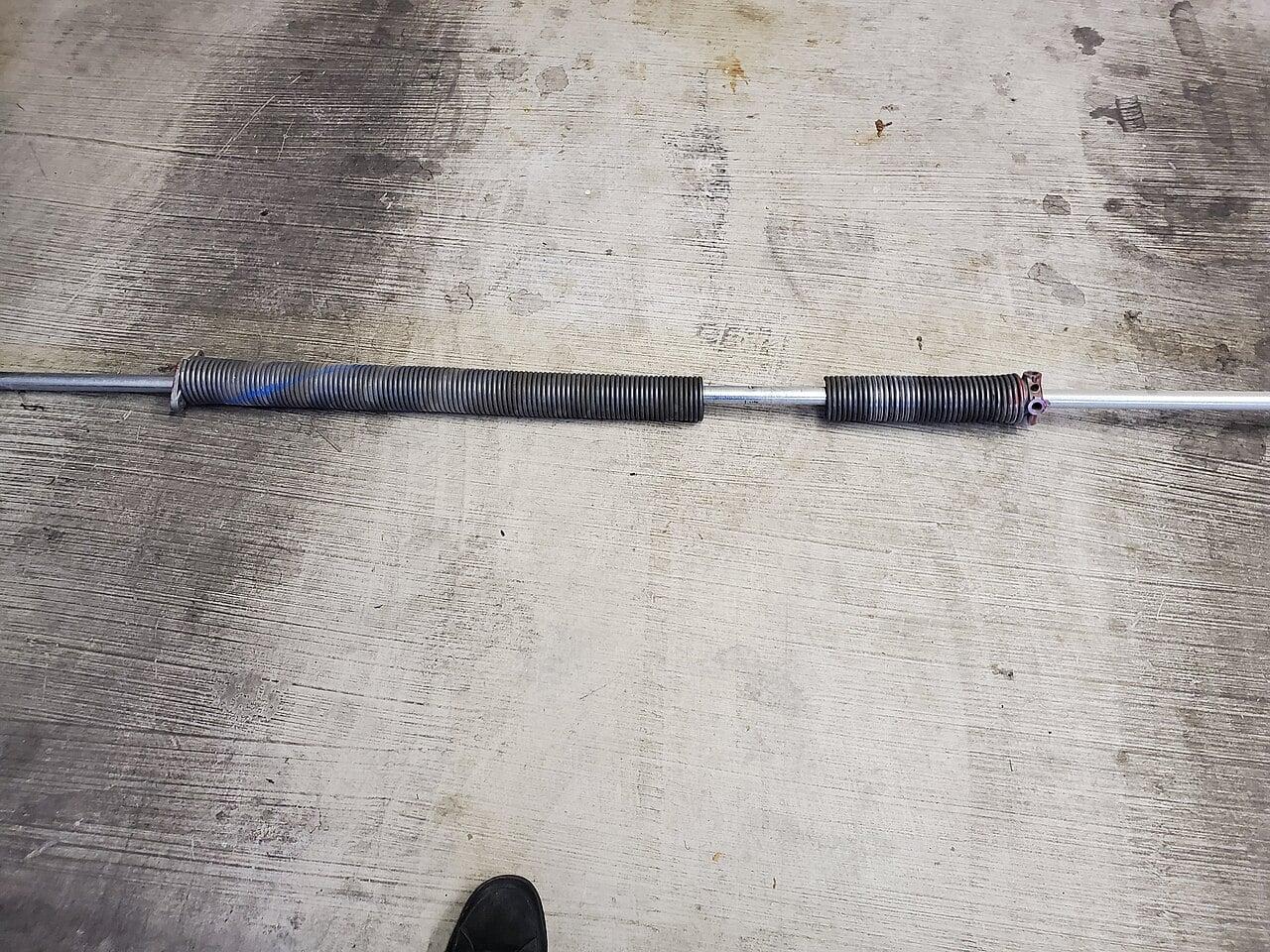
Facility staff can perform visual inspections, lubrication, and tension adjustments within the manufacturer’s specified range. However, adjusting chain tension often involves loosening motor mounts or shaft bearings—components that, if disturbed incorrectly, can introduce misalignment or binding. More critically, the torsion spring system storing energy to balance the door is unrelated to the chain drive but is frequently accessed during drive service. **Never attempt to adjust, remove, or repair torsion springs or cables under tension.** These store lethal energy and require specific tools and training. If spring adjustment is needed alongside chain work, or if the door does not stay balanced when manually positioned halfway, stop and contact a qualified technician. Motor electrical connections and limit switch adjustments also fall outside safe DIY scope for most facility leads.
Frequently Asked Questions
### How do I measure chain elongation accurately?
Use a chain wear gauge tool that measures pitch over a set number of links; compare the reading to the tool’s wear limit indicators. Alternatively, measure 10 links with a caliper and compare to the specification—elongation beyond 3% means replacement is due.
Can I replace just the chain if the sprockets look okay?
Only if sprocket teeth show no visible hooking, wear, or damage. Worn sprockets will rapidly degrade a new chain, so inspect closely under good light. When in doubt, replace both as a set.
Does frequent cycling shorten chain drive life more than age?
Yes—cycle count is often a better predictor than calendar time. A door cycling 25 times daily will wear components faster than one cycling 5 times daily, even if the latter is older. Track cycles if possible to predict maintenance needs.