Commercial overhead door drums wear faster in wet climates due to a combination of moisture ingress, corrosion, and increased friction from misaligned components. In Metro Vancouver’s damp conditions, water penetrates seals and gaskets around the drum assembly, leading to rust formation on the drum surface and shaft bearings. This corrosion creates abrasive particles that grind against the cable and drum grooves, accelerating wear. The drum itself is a steel cylinder where the lifting cables wind and unwind; any pitting or roughness on its surface damages the cables and increases operational strain.
How Moisture Damages Drum Surfaces
Water exposure initiates electrochemical corrosion on bare or poorly coated steel drums. Even galvanized drums develop white rust in constant dampness, which flakes off and acts like sandpaper. Over time, this pitting creates uneven surfaces that cause cables to fray or jump grooves. The damage starts microscopically but worsens with each cycle as debris embeds into the metal. In facilities with frequent washdowns or high humidity—like food processing warehouses or marine storage—the rate of degradation increases significantly.
Role of Shaft Bearing Failure
The drum rotates on a shaft supported by end bearings. When moisture infiltrates these bearings, lubricant breaks down and rust forms, increasing rotational resistance. A seized or stiff bearing forces the drum to drag, creating uneven cable tension and localized wear on one side of the drum. You might hear a grinding or squealing noise during operation, especially when the door is moving slowly under load. This symptom often appears before visible drum damage.
Cable Wear as an Early Warning Sign
Frayed or kinked cables are frequently the first noticeable symptom of drum problems. As the drum surface deteriorates, it snags individual cable strands, causing them to unravel. Inspect cables where they contact the drum—look for broken wires, rust staining, or flattened sections. If cables show wear but the drum appears smooth, misalignment or bearing issues may still be present. Never operate a door with visibly damaged cables; sudden failure can cause the door to drop.
How Misalignment Accelerates Wear
If the drum is not perfectly perpendicular to the shaft or if the shaft is bent, the cables wind unevenly, piling up on one edge of the drum. This edge loading creates high-pressure points that wear through the drum coating faster than the rest of the surface. Misalignment often results from impact damage to the door tracks, loose mounting brackets, or settling of the header structure. You can check for this by observing cable winding during slow manual operation—cables should stack evenly from one end to the other.
What You Can Safely Inspect Yourself
Facility staff can perform visual and operational checks without disassembling the door. With the door closed and power disconnected, examine the drum surface for rust, pitting, or grooves. Check cable condition at the drum and bottom bracket. Listen for unusual noises during operation. Verify that the shaft turns freely by hand when the door is disengaged from the opener. Note any wobble or lateral movement in the drum shaft.
When Not to DIY: Torsion System Risks
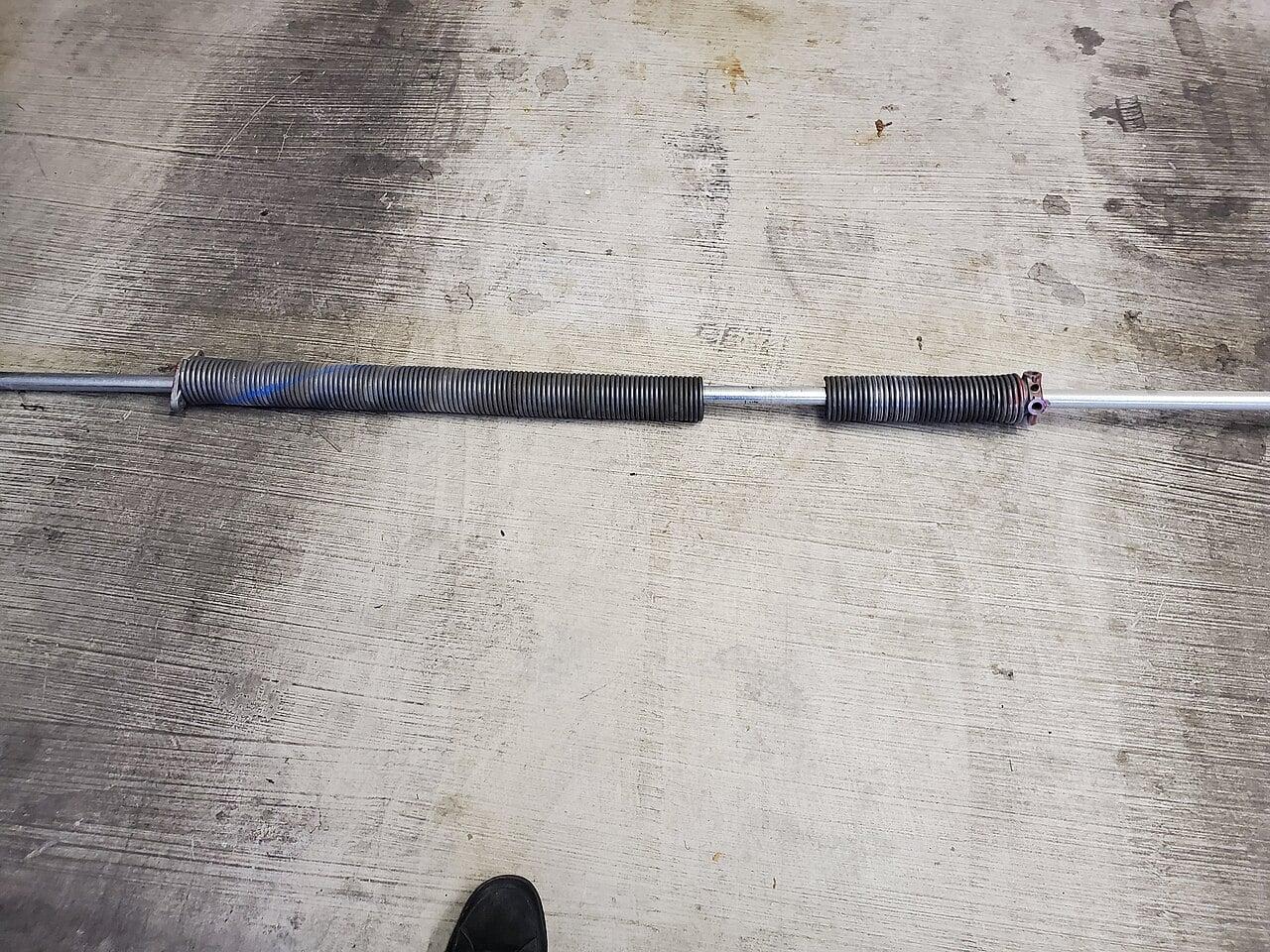
Adjusting or removing the drum, shaft, or torsion springs involves handling components under extreme torque. Torsion springs store enough energy to cause severe injury or death if released improperly. Drum removal requires unwinding the springs first—a procedure that demands specific tools and training. Do not attempt to loosen set screws on the drum or shaft while springs are wound. Any work involving spring tension, cable replacement, or drum realignment must be performed by a qualified technician.
Frequently Asked Questions
Can I lubricate the drum to prevent wear?
Lubricating the drum surface itself is not recommended, as it attracts dust and debris that can accelerate abrasion. Instead, focus on keeping shaft bearings properly lubricated with a water-resistant grease approved for overhead door use. Over-lubrication can drip onto cables and reduce friction needed for proper winding.
How often should I inspect the drum in a wet climate?
For facilities in Metro Vancouver with high moisture exposure, inspect the drum and cables quarterly. Increase frequency if the door undergoes more than 15 cycles per day or is located near washdown areas, loading docks with open doors, or coastal zones where salt air is present.
Does painting the drum help prevent corrosion?
Painting the drum is not advised unless done during factory refinishing with proper masking and heat-resistant coating. Aftermarket paint can chip, create uneven thickness that interferes with cable seating, or trap moisture against the metal. If corrosion is severe, drum replacement is the safer, more reliable solution.