A commercial overhead door that moves unevenly or appears crooked when activated by the wall button usually indicates an imbalance in the door’s lifting mechanism, not an electrical fault. The wall button simply completes a low-voltage circuit to trigger the motor; if the door binds or tilts during travel, the issue lies in the mechanical system responsible for lifting and aligning the door panels. This symptom often develops gradually and may be accompanied by scraping noises, uneven gaps between the door and frame, or the door sticking at certain points in its travel.
Common Mechanical Causes of a Crooked Door
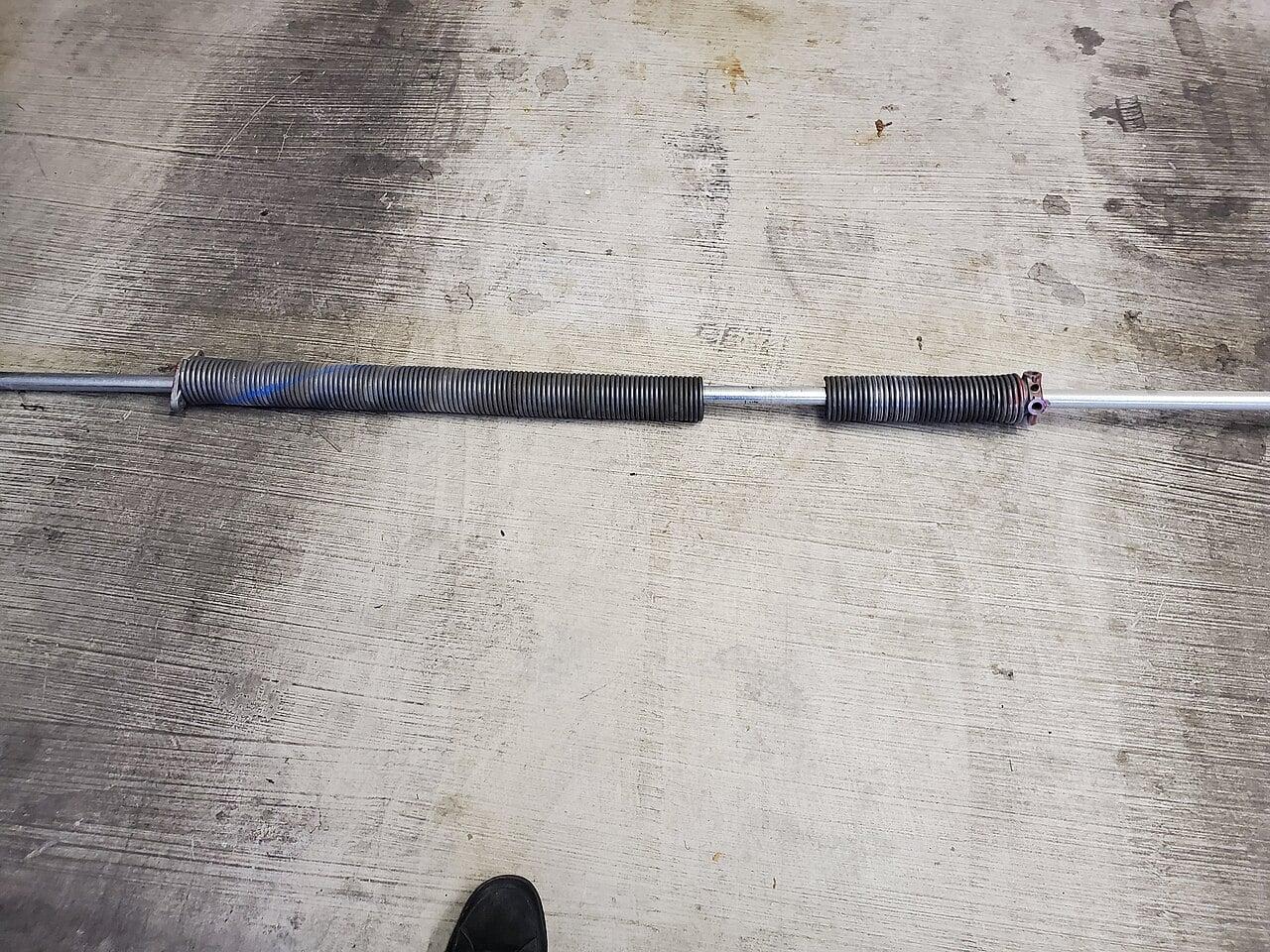
The most frequent cause is uneven tension in the lifting system. On sectional overhead doors, this typically involves either the torsion springs (mounted above the door) or the extension springs (running along the horizontal tracks). If one spring loses tension, breaks, or becomes disconnected, that side of the door lifts slower or not at all, causing the door to tilt as it moves. Similarly, worn or damaged lift cables can fray or slip off their drums, creating imbalance. In doors with multiple panels, a broken roller or bent hinge on one side can also bind, preventing smooth movement and making the door appear crooked even if the springs are intact.
How to Visually Inspect for Imbalance
Before operating the door, visually inspect both sides while the door is closed. Check that the lift cables are seated properly in the cable drums and show no signs of fraying, kinking, or corrosion. Examine the torsion spring assembly (if present) — look for gaps in the coils, which indicate lost tension, or visible separation in the spring itself. For extension spring systems, ensure both springs are intact and show similar elongation; a stretched or broken spring on one side will be obvious. Rollers should sit squarely in the track and spin freely; replace any that are seized, cracked, or missing. Hinges should be tight and unbent — a bent hinge will bind the panel and distort alignment.
What You Might Hear During Operation
Listen as the door moves. A healthy door operates with a consistent, smooth sound from the motor and rollers. If one side is dragging, you may hear a scraping or grinding noise from that side’s track or roller. A loud *pop* or *bang* during travel often indicates a spring failure — this is especially dangerous with torsion springs, which store significant energy and can cause severe injury if they fail unexpectedly. Intermittent clicking or straining from the motor suggests it’s working harder to overcome mechanical resistance on one side, which can lead to premature motor wear or thermal overload.
Safety Limits: What Facility Staff Should Not Touch
Adjusting or replacing torsion springs is not a DIY task for facility maintenance staff. These springs are wound under extreme tension — improper handling can result in sudden release, causing the spring to unwind violently and strike nearby objects or personnel. Similarly, lift cables under tension can whip if they fail. While checking cable condition, roller wear, or hinge alignment is safe and recommended, any adjustment to spring tension, cable repositioning, or spring replacement must be performed by a trained technician using proper tools and lockout procedures. Attempting to wind or unwind a torsion spring without certification risks catastrophic failure.
When the Wall Button Itself May Be Involved
Though less common, a malfunctioning wall button or its wiring can contribute to uneven operation if it causes intermittent power delivery to the motor. If the button feels loose, only works when pressed in a specific spot, or operates the door erratically (e.g., starts and stops mid-cycle), inspect the button housing for cracks and test continuity with a multimeter. However, if the door moves unevenly *every time* the button is used — and manual operation (disconnecting the motor and lifting by hand) still shows imbalance — the issue is mechanical, not electrical. Always disconnect power before inspecting wiring.
Steps to Verify the Problem Is Mechanical
To isolate the cause, disconnect the door from the opener by pulling the emergency release cord (usually a red handle). With the motor disengaged, manually lift the door to waist height and release it. A properly balanced door will stay in place or drift slowly. If one side drops or the door tilts immediately, the springs or cables are out of adjustment. If the door lifts smoothly and evenly by hand but crooked when powered, the issue may be in the motor drive system — such as a worn drive gear, misaligned sprocket, or failing brake — though this is less common than spring or cable imbalance.
Frequently Asked Questions
Can a crooked door damage the opener or tracks?
Yes. Operating a door that is binding or uneven puts excessive lateral load on the horizontal tracks, which can bend or twist them over time. The motor strain can overheat the winding or damage the drive gear, leading to costly repairs that could have been avoided by addressing the spring or cable issue early.
How often should commercial door springs be inspected?
At minimum, quarterly visual inspections are recommended for high-cycle doors (e.g., loading docks, warehouses). Look for gaps in torsion springs, fraying cables, and roller wear. Doors with over 25,000 annual cycles may need semi-annual professional tension checks to maintain balance and safety.
Is it safe to operate a slightly crooked door temporarily?
No. Even minor imbalance increases wear on components and risks sudden failure. A door that binds can jump the track or cause a panel to buckle under stress. Discontinue use and have it assessed — continued operation increases the likelihood of a catastrophic spring or cable failure.
CCGDS (604) 206-5727