Heavy rain compromises the limit switch on a commercial overhead door by allowing moisture to enter the switch housing, corrode internal contacts, and disrupt the electrical signal that tells the motor when to stop. This can cause the door to travel too far, stop short, or behave erratically during operation. The limit switch is a small electromechanical device mounted on the door’s shaft or trolley that uses physical cams to open and close electrical circuits at set points. When rainwater penetrates the enclosure—often through degraded seals, conduit entry points, or cracked housings—it creates conductive paths between terminals or corrodes the metal contacts inside. Over time, this leads to increased resistance, intermittent signals, or complete signal loss. You might notice the door closing too hard into the floor, reopening after hitting the ground, or failing to open fully even when the button is held. Sometimes you’ll hear a clicking sound from the switch unit as it struggles to make or break contact, or the motor may hum without moving the door.
How Water Enters the Limit Switch Assembly
Limit switches are typically rated for indoor or sheltered use, even on exterior doors. The housing relies on rubber gaskets and sealed conduit fittings to keep moisture out. In prolonged heavy rain, especially with wind-driven water, these seals can fail due to UV degradation, thermal cycling, or physical damage from debris. Water can also travel along the outside of conduit pipes and enter through loose fittings or missing plugs. Once inside, condensation can form on cold metal parts when the door cycles, accelerating corrosion even after the rain stops.
Signs of Moisture Damage in the Limit Switch
Early symptoms include inconsistent stopping points—where the door stops in a different position each cycle—or the need to hold the open/close button longer than usual to get full travel. You might see visible rust or white mineral deposits on the switch housing or wiring terminals. In advanced cases, the switch may feel gritty when manually actuated, or the cam mechanism may stick due to corrosion on the shaft. If the door reverses immediately after closing, it’s often because the close-limit circuit is not completing, tricking the safety system into thinking an obstruction exists.
What You Can Safely Check Yourself
Before assuming electrical failure, inspect the switch housing for cracks, missing screws, or deteriorated seals. With power disconnected at the disconnect switch, you can gently probe the conduit entries for water or debris. Look for corrosion on the terminal screws—green or white crust indicates active oxidation. You can also manually rotate the cam shaft (with power off) to feel for stiffness or skipping. If the switch feels dry and moves freely but the door still misbehaves, the issue may be wiring or control board related. Never attempt to disassemble the switch itself; internal springs and contacts are easily damaged and not user-serviceable.
When Moisture Mimics Other Failures
Water intrusion can cause symptoms that resemble a failing motor, worn drive chain, or misaligned tracks. For example, if the door stops short on close, it might be mistaken for a trip sensor issue—but if the problem worsens during or after rain and improves in dry weather, the limit switch is suspect. Similarly, intermittent operation that correlates with weather patterns points to environmental exposure rather than mechanical wear. Keep a log of when the issue occurs; if it aligns with heavy rainfall or high humidity, moisture is likely the culprit.
Why DIY Repair Is Risky Here
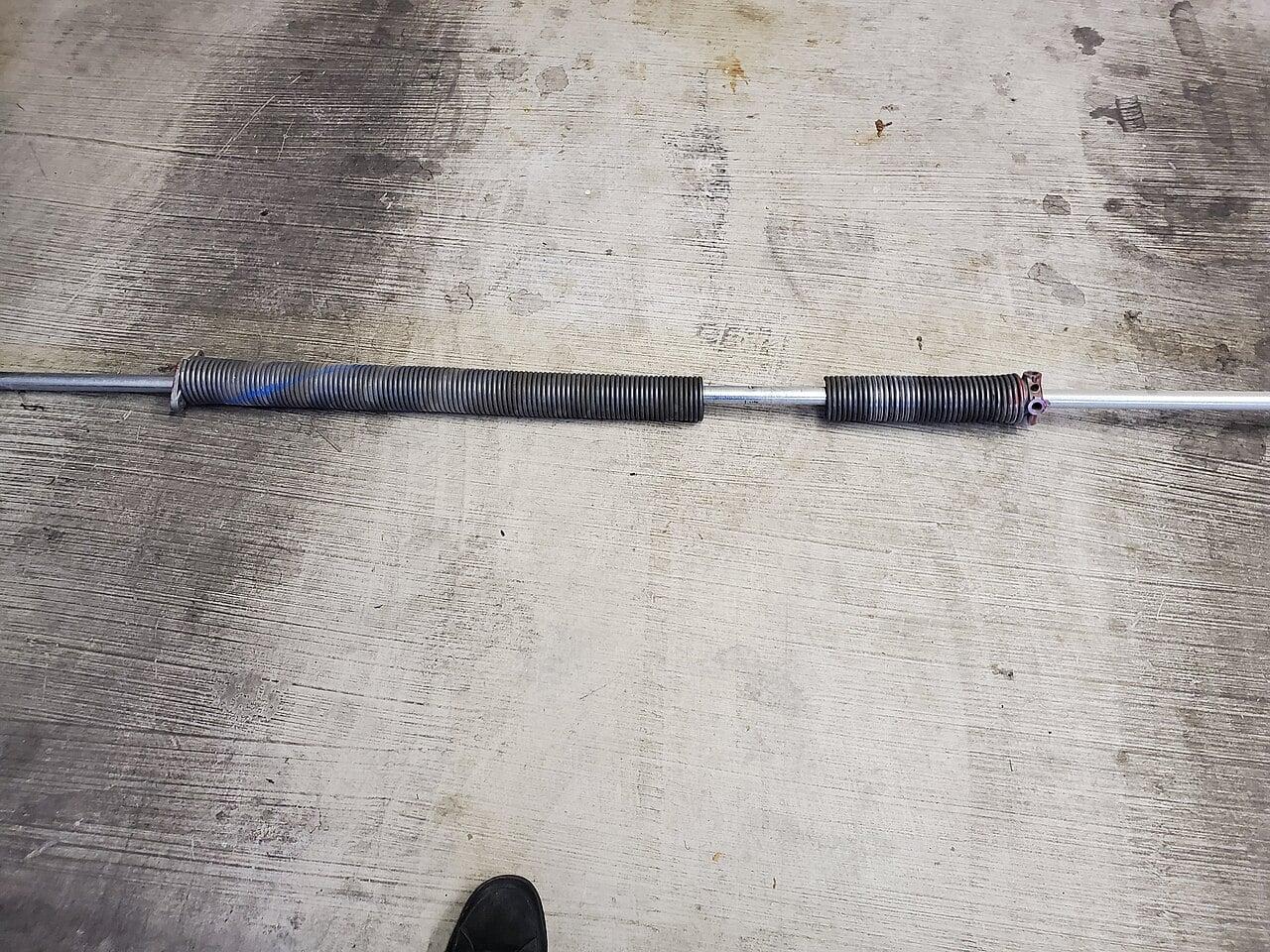
While inspecting the housing and checking seals is safe with power off, replacing or adjusting the limit switch requires working with live low-voltage control circuits. More importantly, the switch is mechanically tied to the door’s torsion spring system via the shaft. Any adjustment to the cam positions affects how the door interacts with the spring’s stored energy. Misadjusting the limit can cause the door to bind, overload the motor, or create a sudden release of tension if the door disengages unexpectedly. Torsion springs store lethal energy and must only be handled by trained technicians with proper tools.
Frequently Asked Questions
Can I use silicone spray to fix a corroded limit switch?
No. Lubricants attract dust and debris, which can worsen contact issues, and silicone does not prevent corrosion. It may also migrate onto the cam surfaces, causing slippage. If contacts are corroded, the switch needs replacement, not lubrication.
Will a weatherproof cover over the switch help?
Only if it’s properly rated and installed without trapping moisture inside. A poorly ventilated cover can create a condensation chamber, making the problem worse. The better solution is to replace the switch with one rated for outdoor use (NEMA 4 or higher) and ensure all conduit seals are intact.
Should I upgrade to a rotary limit switch instead?
Rotary (or encoder-based) limit switches are less prone to water damage because they have no exposed contacts and are often sealed. They’re a valid upgrade for exterior doors in wet climates, but installation requires reprogramming the control board and verifying compatibility with your door operator.
CCGDS (604) 206-5727