Heavy rain accelerates corrosion and causes wood or composite door sections to absorb moisture, leading to hinge binding, sagging, or complete failure. This isn’t just about surface rust—it’s about how water infiltration changes the geometry and load path of the door system, putting uneven stress on hinge plates and fasteners.
How Water Gets Into the Hinge Assembly
Commercial overhead doors often use steel hinges with grease-filled pins or nylon bushings. While the hinge itself may be galvanized or painted, the gap between the hinge leaf and the door jamb or stile is rarely sealed. Wind-driven rain can penetrate this gap, especially if the door’s weather seal is worn or the frame has settled. Once inside, water pools around the pin and washer, washing out lubricant and initiating electrochemical corrosion between dissimilar metals—steel hinge against aluminum jamb or galvanized steel stile.
What Corrosion Does to the Hinge Pin and Bushing
As rust forms, it expands—iron oxide takes up more volume than the original steel. This expansion binds the pin inside the hinge knuckle, increasing friction. You’ll hear a grinding or squealing noise when the door cycles, especially at the start of travel. Over time, the pin may seize completely, preventing the hinge from pivoting. In nylon-bushed hinges, water can cause the bushing to swell or crack, creating play that allows the door leaf to drag or tilt.
How Moisture Affects the Door Section Itself
If the door is made of wood, composite, or uncoated steel, prolonged exposure to moisture causes swelling or warping. A swollen door stile increases the thickness where the hinge mounts, misaligning the hinge leaf relative to the jamb. This creates a binding condition where the hinge is forced into a bind during rotation—similar to trying to close a door that’s swollen shut in humid weather. You might notice the door sticks at a specific point in its travel, or the opener strains and trips its thermal overload.
What the Failure Looks and Sounds Like
Early signs include intermittent squeaking that worsens after rain, or a hinge that feels stiff when manually moved. As corrosion progresses, you may see orange-brown streaks running down the hinge from the pin area. The door may hang lower on one side, or the gap between the door and jamb becomes uneven. In advanced cases, the hinge leaf tears away from the door stile because the screws can no longer hold in swollen or rotted wood, or the hinge knuckle cracks from stress.
What You Can Safely Check Yourself
You can inspect the hinge for visible rust, check if the door hangs level by measuring the gap at top and bottom of the door on both sides, and listen for abnormal noises during manual operation. Spraying a light lubricant like silicone-based product on the hinge pin (after wiping away debris) can temporarily reduce friction and help diagnose if the issue is lubrication loss. Do not attempt to disassemble the hinge, remove pins, or adjust spring tension—these are high-energy components. If the door sags, binds, or the hinge shows deformation or cracked leaves, stop operation and call a technician.
When to Call a Professional
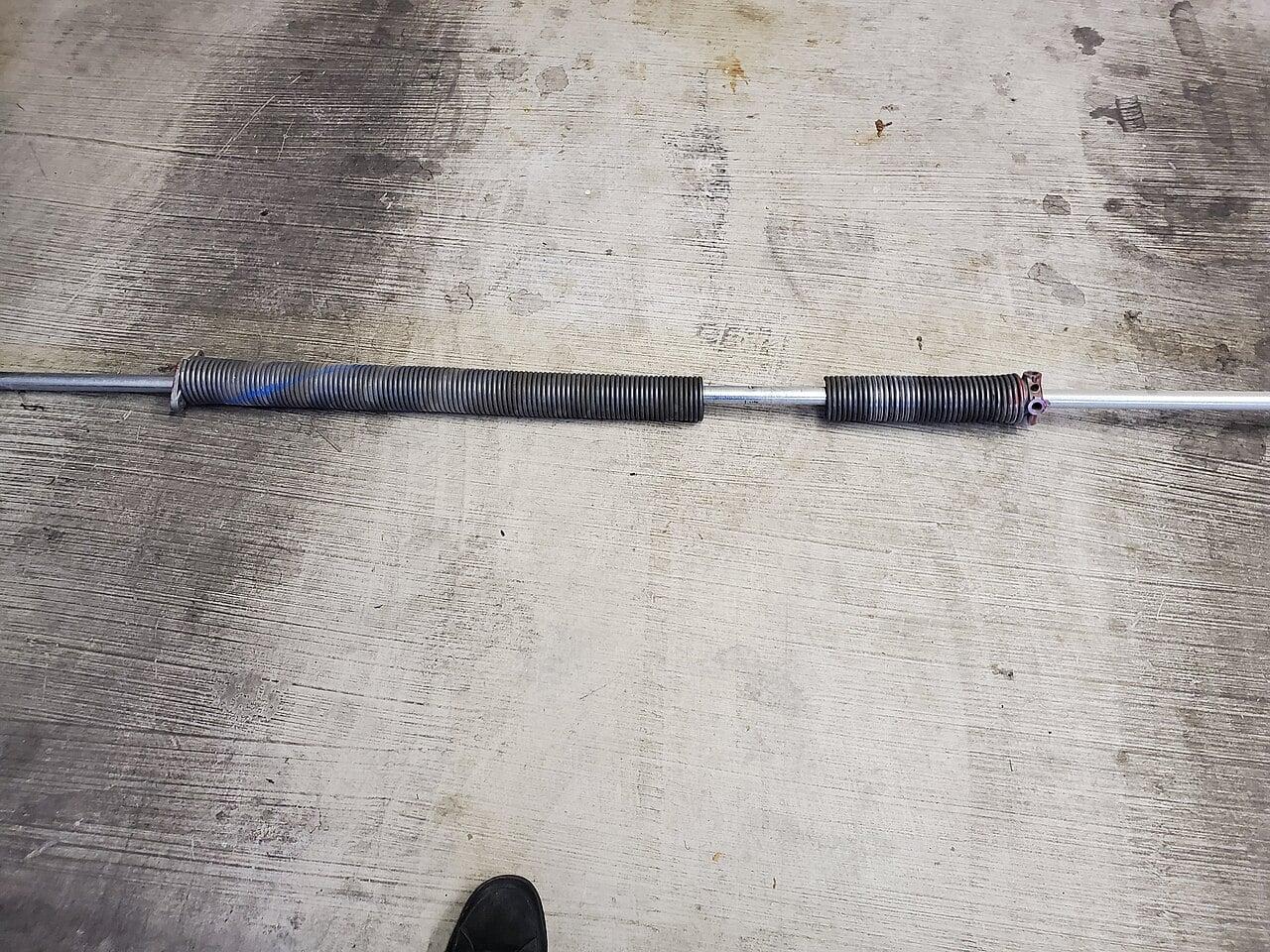
If the hinge is seized, the door is sagging more than 1/4 inch, or you notice cracks in the hinge leaf or door stile, the issue likely requires hinge replacement, door section repair, or frame realignment. These tasks involve removing the door from its tracks, which can release stored energy in the torsion springs above. Torsion springs are under extreme tension and can cause severe injury or death if mishandled. Only trained technicians should handle spring-related work or structural door repairs.
Frequently Asked Questions
### Can I use WD-40 to fix a rain-damaged hinge?
WD-40 is a water displacer, not a long-term lubricant. It may quiet noise temporarily but attracts dust and washes out easily. Use a silicone-based or lithium grease designed for door hardware instead.
Will painting over rust stop the hinge from corroding further?
Surface paint seals nothing if corrosion is already under the hinge leaf or inside the knuckle. Rust will continue to expand underneath, eventually breaking the paint bond and worsening the bind.
How often should I inspect hinges on commercial doors in a rainy climate?
At minimum, inspect hinges twice a year—before and after the wet season. Look for rust, listen for noise, and check door alignment. Early detection prevents costly section or frame damage.