When a commercial overhead door closes partway then immediately reverses and reopens, the issue is almost always a safety system reacting to a perceived obstruction or fault. This behavior is designed to prevent injury or damage, but it disrupts operations when triggered falsely. The door’s control panel receives a signal that interrupts the close cycle, prompting the motor to reverse. Understanding what triggers this signal is key to resolving the problem without unnecessary service calls.
Safety Sensor Misalignment or Obstruction
The most frequent cause of a door reversing during close is a fault in the photoelectric safety sensors. These sensors, mounted near the floor on either side of the door opening, emit an invisible infrared beam. If the beam is broken—by dirt, misalignment, vibration, or an actual object—the controller interprets it as an obstruction and commands the door to reopen. Check the sensor lenses for debris, condensation, or spider webs. Ensure both sensors show steady indicator lights; blinking or off lights indicate misalignment or wire issues. Gently adjust the sensors until both lights are solid, then test the close cycle.
Obstruction in the Door Path
Physical obstructions in the door’s travel path will trigger the reversing mechanism. This includes debris on the floor, damaged rollers sticking in the track, or foreign objects lodged in the hinges or rollers. Inspect the entire path from floor to header. Look for loose dock leveler parts, pallet straps, or ice buildup in cold weather. Manually operate the door (with power disconnected) to feel for binding points. Rollers should turn freely; if they seize or wobble, they may need replacement. Never force the door if resistance is felt.
Close Limit Switch Settings
The close limit switch tells the motor when to stop the door at the floor. If this switch is set too far downward, the motor continues to run after the door hits the floor, causing excess force. The system interprets this as hitting an obstruction and reverses the door. Locate the limit adjustment screws on the motor unit—usually labeled ‘up’ and ‘down’. Turn the down limit screw slightly counterclockwise to reduce travel distance. Make small adjustments (1/8 turn increments) and test after each change. Over-travel can also strain the motor and drive components over time.
Spring Tension Imbalance (Torsion Systems)
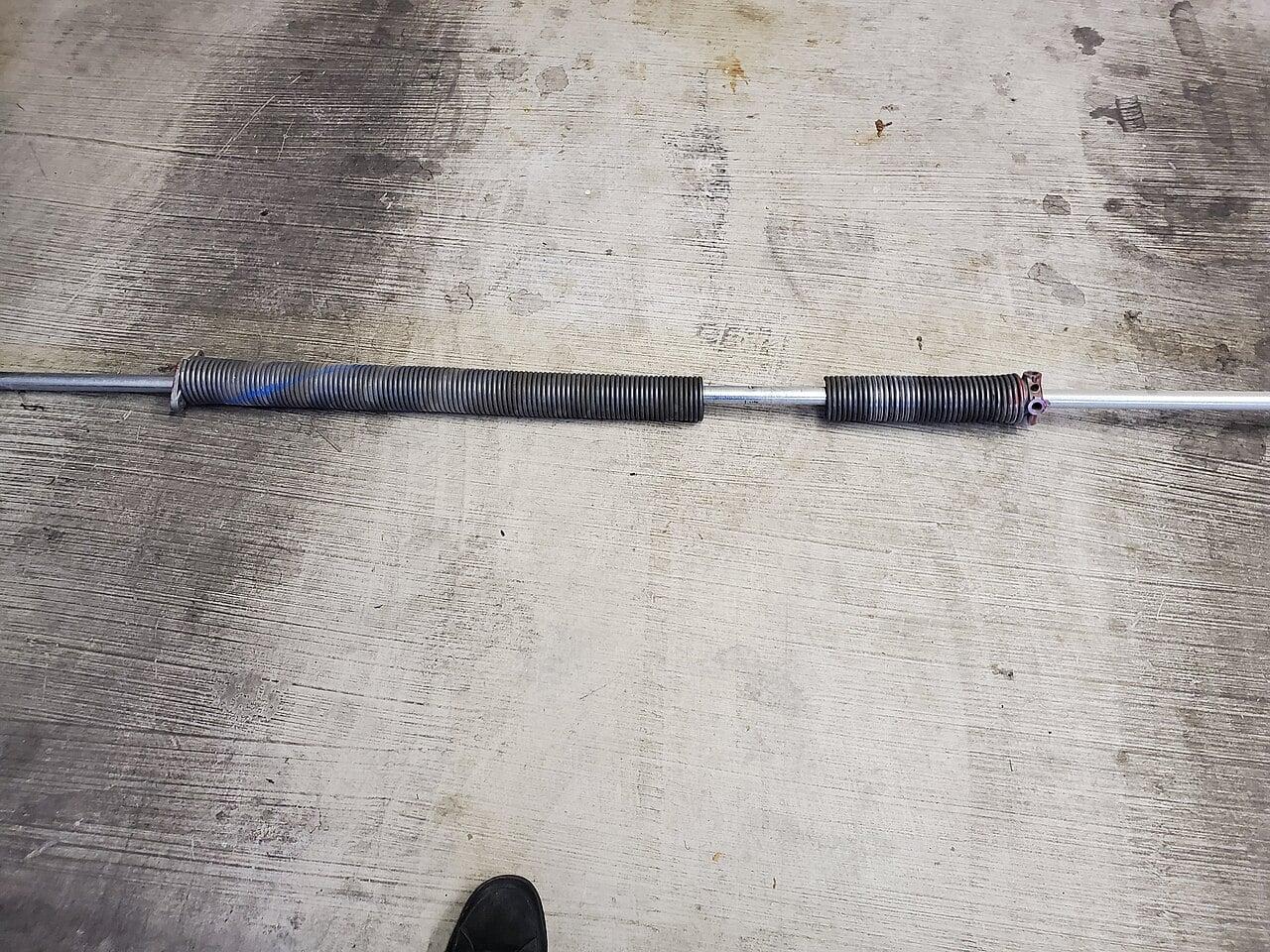
On torsion-spring equipped doors, uneven or incorrect spring tension can cause the door to close unevenly, triggering safety edges or causing the motor to overload and reverse. A door that sags on one side or moves jerkily during close may have a spring issue. **Do not attempt to adjust torsion springs.** They store lethal amounts of energy and require specialized tools and training. Visually inspect springs for gaps, elongation, or visible damage. If one spring appears slack or broken compared to the other, or if the door lifts unevenly when manually operated, this indicates a spring problem requiring professional service.
Wiring Interference or Control Board Faults
Loose, corroded, or damaged wiring in the safety sensor circuit or limit switch circuit can send intermittent false signals. Vibration from frequent operation can worsen these faults over time. Inspect sensor wires for nicks, crush points, or rodent damage where they run along the frame or ceiling. Check connections at the motor unit and sensor terminals for corrosion or looseness. A multimeter can test for continuity, but if you’re not comfortable with low-voltage control circuits, this step is best left to a technician. Intermittent faults often require tracing the circuit under load.
Malfunctioning Safety Edge (If Equipped)
Some commercial doors have a pneumatic or electric safety edge on the bottom bar that reverses the door upon contact. If this edge is damaged, stuck, or has a leak (in pneumatic systems), it may falsely trigger during close. Listen for air hissing near the bottom bar on pneumatic edges, or check for consistent resistance when pressing the edge. Electric edges should show continuity when not pressed. A faulty edge mimics an obstruction and will cause the door to reverse even if the path is clear.
Frequently Asked Questions
### Can extreme temperatures cause the door to reverse on close?
Yes, freezing temperatures can cause lubricants to thicken, increasing rolling resistance and triggering the motor’s overload sensing. Ice or frost on safety lenses can also break the beam. In hot weather, metal expansion may misalign sensors or tracks. Seasonal maintenance helps mitigate these effects.
Should I disconnect the opener to test the door manually?
Disconnecting the opener (using the release cord) allows you to check door balance and track condition without motor interference. If the door moves smoothly and stays put when lifted halfway, the springs are likely balanced. If it sags or binds, investigate rollers, hinges, or spring tension—this is safer than diagnosing under power.
How often should safety sensors be checked as part of routine maintenance?
Safety sensors should be visually inspected monthly and tested for proper function quarterly. Include lens cleaning, alignment verification, and wire checks in your facility’s preventive maintenance schedule. Document any adjustments or issues found.
CCGDS (604) 206-5727