Heavy rain can compromise the functionality of a commercial overhead door keypad by introducing moisture into electrical components, leading to corrosion, short circuits, or intermittent signal loss. This is especially common in Metro Vancouver where prolonged wet seasons expose exterior-mounted keypads to sustained humidity and water ingress. The first signs are often unresponsive buttons, erratic code acceptance, or the keypad lights flickering or failing to illuminate. In some cases, the door may operate intermittently or not at all, even when the correct code is entered, due to water creating unintended electrical pathways or degrading internal circuitry.
How Water Enters the Keypad Assembly
Most commercial keypads are rated for outdoor use but rely on gaskets, seals, and conformal coating to resist moisture. Over time, UV exposure degrades rubber seals, and thermal cycling causes micro-cracks in housing seams. During heavy rain, water can be forced past these barriers, especially if the keypad is mounted without a drip edge or overhead protection. Wind-driven rain increases the risk, pushing moisture laterally into seams that would otherwise shed vertical runoff. Once inside, water pools on circuit boards, causing electrochemical migration between traces, which can lead to permanent shorts or intermittent faults.
What Failure Looks and Sounds Like
A water-affected keypad may exhibit delayed response when buttons are pressed, requiring multiple attempts to register input. Some users report hearing a faint clicking or buzzing from the keypad housing when activated, indicating arcing or relay chatter due to moisture-induced resistance changes. In advanced cases, the keypad may appear completely dead—no backlight, no beep, no signal sent to the door controller—despite having power. Occasionally, the door will open or close on its own if water creates a false trigger across input terminals, though this is less common than total non-response.
What You Can Safely Check Yourself
Before assuming the keypad is failed, inspect the housing for visible cracks, missing screws, or degraded seals around the edges. Check if the mounting surface allows water to pool behind the unit—look for staining or mineral deposits on the wall beneath. You can temporarily shield the keypad with a waterproof cover (like a plastic bag secured with tape) during rain to test if functionality improves when dry. If the keypad works when protected but fails in rain, moisture ingress is likely the cause. Do not attempt to open the keypad housing or test internal components with a multimeter unless you are trained in low-voltage electronics safety.
When Moisture Damage Requires Professional Service
If the keypad shows consistent failure during or after rain, or if you observe corrosion on the wiring terminals inside the access panel (which should only be inspected by someone qualified to de-energize the circuit), the unit likely needs replacement or professional re-sealing. Continuing to power a corroded circuit can damage the door’s control board or create a safety hazard. Technicians will assess whether conformal coating can be reapplied, if a higher-rated keypad (e.g., IP66 or IP68) is warranted, or if the wiring conduit needs upgrading to prevent future ingress. Never attempt to repair or bypass a keypad by splicing wires in an exposed junction box—this voids safety ratings and risks energizing live components.
Why DIY Fixes Are Limited and Risky
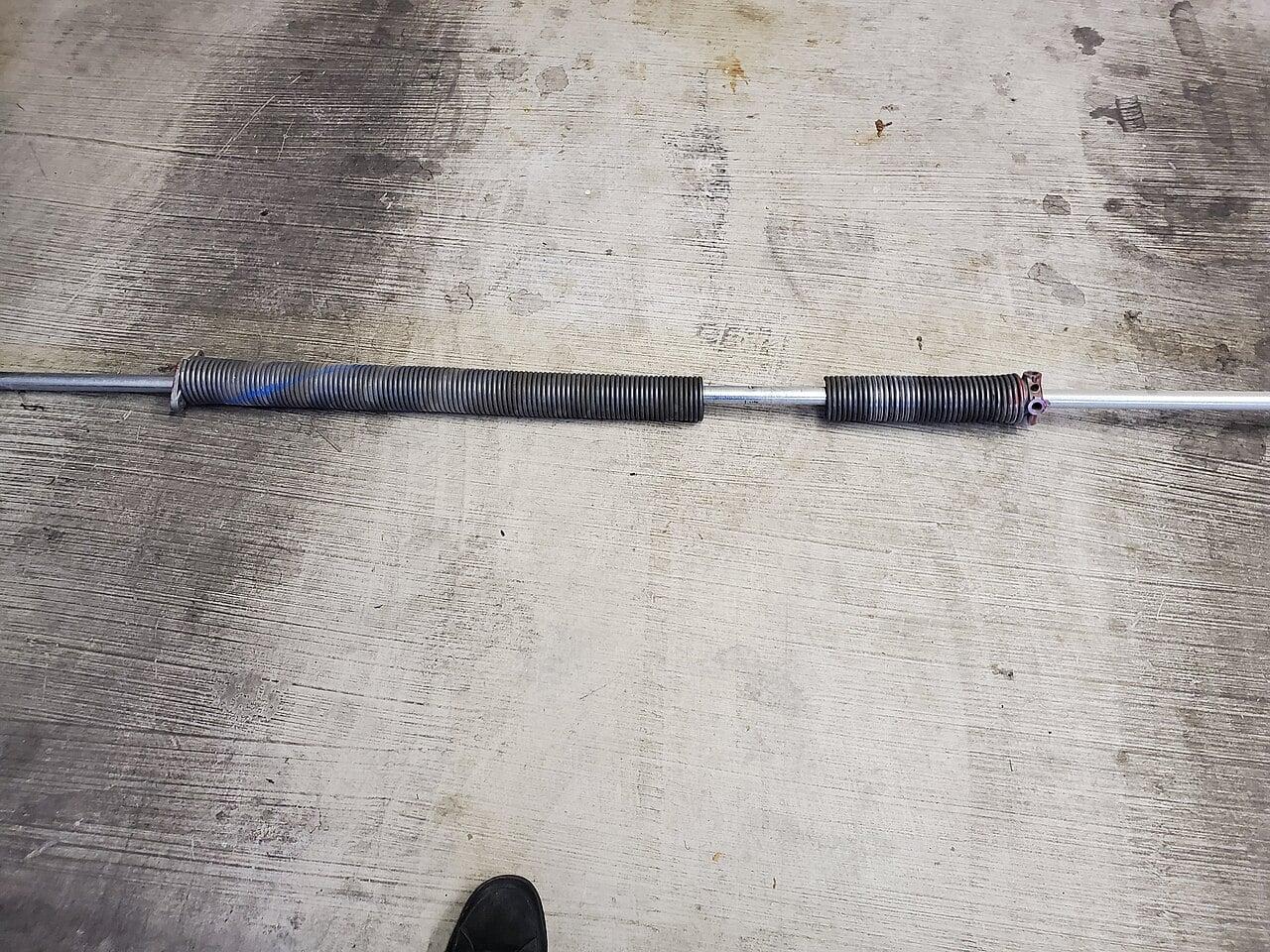
While replacing a keypad unit itself is straightforward for someone with basic electrical knowledge, the wiring behind it often interfaces with low-voltage control circuits that, if mishandled, can disrupt the entire door operation or trigger safety faults. More critically, any work near the door’s control panel risks accidental contact with high-voltage components if the power isn’t properly isolated. Torsion springs and cable assemblies—located near the header where the control wiring often runs—store lethal levels of energy and must never be touched by untrained individuals. Moisture-related keypad issues rarely originate from these systems, but working in proximity without proper lockout/tagout procedures creates unnecessary risk.
Preventive Measures for Long-Term Reliability
To reduce rain-related keypad failures, ensure the unit is mounted under a soffit, overhang, or purpose-built rain shield that extends at least 50mm beyond the keypad’s edges. Silicone sealant can be reapplied around the housing seam annually, but only if compatible with the manufacturer’s materials—some coatings degrade certain plastics. Consider upgrading to a keypad with potted electronics or marine-grade conformal coating if the location is exposed to driving rain or salt air. Regularly inspect conduit seals where wiring enters the building; a common failure point is where the cable jacket meets the wall penetration, allowing water to track inward.
Frequently Asked Questions
### Can I use a hairdryer or heat gun to dry out a wet keypad?
Applying direct heat risks warping the plastic housing or damaging sensitive electronics. Moisture trapped inside may turn to steam and increase internal pressure, potentially cracking seals further. If the keypad is wet, disconnect power and allow it to air-dry in a controlled environment for 24 hours before retesting.
Will sealing the keypad with silicone fix the problem permanently?
Silicone can help temporarily, but if water is entering through the wiring conduit or behind the mounting plate, surface sealing won’t stop ingress. It also traps moisture inside if applied after water has already penetrated, accelerating corrosion. Proper diagnosis requires checking all potential entry points, not just the keypad face.
### Should I replace the keypad with a wireless model to avoid wiring issues?
Wireless keypads eliminate exposed wiring but introduce battery maintenance and signal interference risks, especially in metal buildings. They still require weather-resistant housings and are not immune to moisture damage. The best solution depends on your facility’s layout, power availability, and exposure level—consult a technician to evaluate suitability.
CCGDS (604) 206-5727