When a commercial overhead door reverses before fully closing after keypad input, the issue is typically a safety system fault or misadjusted limit setting. The door begins to close, then abruptly reverses direction, often stopping at or near the open position. This behavior is designed to prevent entrapment but becomes problematic when triggered falsely. Understanding the root cause requires checking both the keypad circuit and the door’s safety reversal system.
Keypad Signal Interference or Wiring Fault
A common cause is a weak or interrupted signal from the keypad to the door operator. Loose terminals, corroded wires, or voltage drop over long runs can cause the operator to misinterpret the close command as incomplete or interrupted. The system may then default to a safety reversal, assuming an obstruction. Inspect the keypad wiring at both the keypad and the operator terminal block. Look for frayed insulation, loose screws, or signs of moisture ingress. Use a multimeter to verify continuity and proper voltage (typically 24V AC/DC) at the operator end when a button is pressed. If the signal drops or is erratic, the wiring or keypad may need replacement.
Safety Photo Eye Misalignment or Obstruction
Most commercial doors use infrared photo eyes mounted near the floor on either side of the opening. If the beam is blocked, misaligned, or the lenses are dirty, the operator interprets this as an obstruction and reverses the door. Check that both eyes are lit steadily — one should show a steady sender light, the other a steady receiver light. Flickering or off lights indicate misalignment or failure. Clean the lenses with a dry cloth and adjust the brackets until both lights are solid. Ensure no debris, snow, or equipment is blocking the beam path, even temporarily.
Close Limit Switch Adjustment
The close limit switch tells the operator when the door has reached the fully closed position. If this switch is set too far, the door may hit the floor and trigger the safety reversal system before the limit is satisfied. Conversely, if set too short, the door may stop prematurely and reverse on retry. With the door in the open position, initiate a close cycle and observe where it reverses. If it reverses immediately upon floor contact, the limit is likely too far. Adjust the close limit screw on the operator clockwise to reduce travel, in small increments, testing after each change. Never adjust limits while the door is in motion.
Motor Overload or Torque Sensitivity Setting
Modern operators include torque sensors that detect excessive resistance during closing. If the door binds due to roller misalignment, hinge wear, or track debris, the motor may stall slightly, triggering the torque reversal feature. Listen for a straining or buzzing sound from the motor just before reversal. Inspect the door’s movement manually (with power disconnected) — it should roll smoothly with minimal resistance. Lubricate rollers, hinges, and bearings with a silicone-based spray. Check for bent tracks or loose fasteners. If the door binds mechanically, do not increase torque settings to compensate — this defeats safety systems and increases risk.
Keypad Programming or Mode Conflict
Some keypads can be programmed for alternate functions, such as open-only, stop-only, or timed close. If the keypad is accidentally set to a mode that ignores close commands or prioritizes reopening, it may send conflicting signals. Refer to the operator’s manual to reset the keypad to factory default or reprogram it for standard open/close operation. This usually involves pressing a learn button on the operator while entering a code on the keypad. Incorrect programming can mimic a hardware fault but is often resolved with proper reconfiguration.
When to Call a Technician
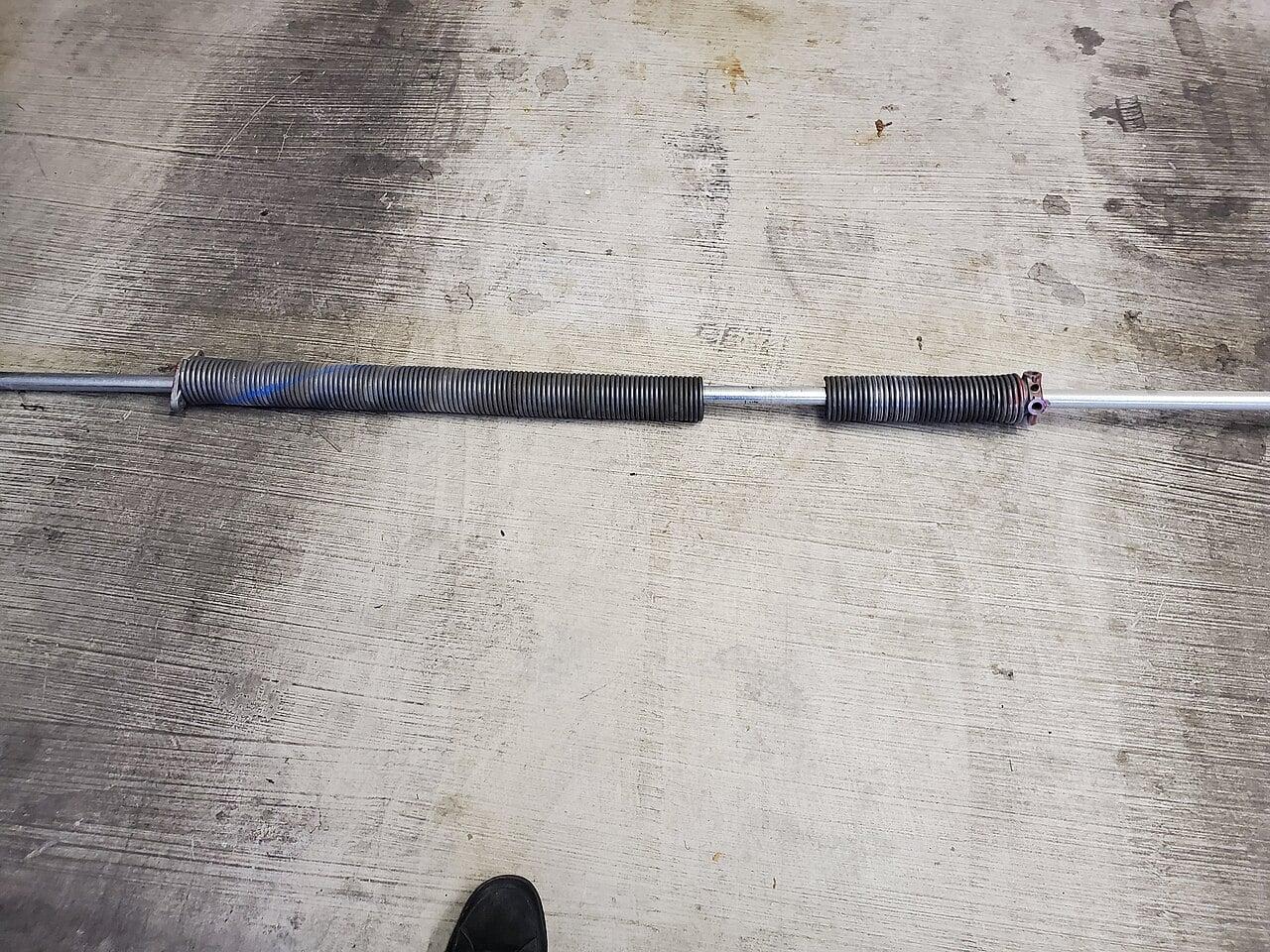
While wiring checks, lens cleaning, and limit adjustments are within the scope of trained facility staff, any work involving the motor, drive assembly, or torsion spring system requires a qualified technician. Torsion springs store lethal energy and must never be adjusted or removed without proper training and tools. If the door reverses intermittently, shows erratic behavior, or the motor overheats, internal operator faults may be present. These require diagnostic equipment and parts replacement best handled by a professional.
Frequently Asked Questions
### Can a weak battery in the keypad cause the door to reverse before closing?
Yes, if the keypad is wireless, low battery power can result in incomplete signal transmission or intermittent contact. This may cause the operator to receive a garbled or partial close command, triggering a safety reversal. Replace the battery and test again.
Is it safe to adjust the close limit switch myself?
Adjusting the close limit switch is generally safe if done with the door stationary and power disconnected during inspection. However, if the door is under tension or you are unsure of the switch’s function, consult a technician. Incorrect adjustment can prevent the door from closing fully or cause premature reversal.
### Why does the door work fine with the wall button but not the keypad?
This often points to a issue specific to the keypad circuit — wiring, signal interference, or programming — rather than the operator itself. The wall button bypasses the keypad and connects directly to the operator’s terminal block, so consistent operation there suggests the operator and safety systems are functioning correctly.