When a commercial overhead door fails to open from the keypad, the issue is rarely the keypad itself. More often, it’s a symptom of a problem in the control circuit, safety system, or mechanical drive that prevents the motor from engaging. Start by verifying power to the operator: check if the unit has lights on the control board or if the wall button works. If there’s no response from any input, the fault is likely upstream of the keypad—such as a tripped breaker, disconnected power, or failed transformer. If the wall button works but the keypad does not, focus on the keypad circuit and its wiring.
Keypad Wiring and Signal Path
Most commercial keypads are low-voltage devices that send a signal to the operator’s control board via two wires. These wires run from the keypad to the terminal strip on the motor head, often alongside safety sensor wires. Over time, staples from cable installation, rodent damage, or conduit vibration can nick or break these conductors. A multimeter set to continuity can test for an open circuit between the keypad and the operator—disconnect both ends first. If the wire tests open, trace the path for damage; if it tests closed but the keypad still doesn’t work, the issue may be at the terminals.
Control Board Input Status
Many modern operators have diagnostic LEDs on the control board that indicate when a signal is received from a wired input like a keypad or wall button. Activate the keypad while observing the board—if the LED for the accessory input doesn’t flash, the signal isn’t reaching the board. This points to a wiring break, faulty keypad, or incorrect programming. If the LED does flash but the motor doesn’t run, the problem lies in the motor circuit, brake release, or drive train, not the keypad input.
Safety Circuit Interference
Overhead doors are designed not to run if any safety circuit is open. This includes photo eyes, edge sensors, or emergency release switches. A misaligned photo eye, dirty lens, or tripped safety edge can keep the safety circuit open, preventing the door from responding to *any* input—including the keypad. Check the photo eye LEDs: both should be lit steadily. If one is off or blinking, realign the sensors or clean the lenses. Also inspect the safety edge (if installed) for damage or constant pressure that might be holding the circuit open.
Keypad Power and Programming
Some keypads require local power—either batteries or a direct low-voltage feed. If battery-powered, dead cells are a common failure point; replace them and test. For wired keypads, verify voltage at the keypad terminals (typically 12-24V AC or DC) using a multimeter. No voltage means a break in the supply wire or a failed transformer in the operator. If voltage is present but the keypad doesn’t respond, the keypad itself may be faulty. Reprogramming is rarely needed unless the operator was reset or replaced; consult the manual for re-sync procedures if applicable.
Mechanical Bind Masquerading as Electrical Fault
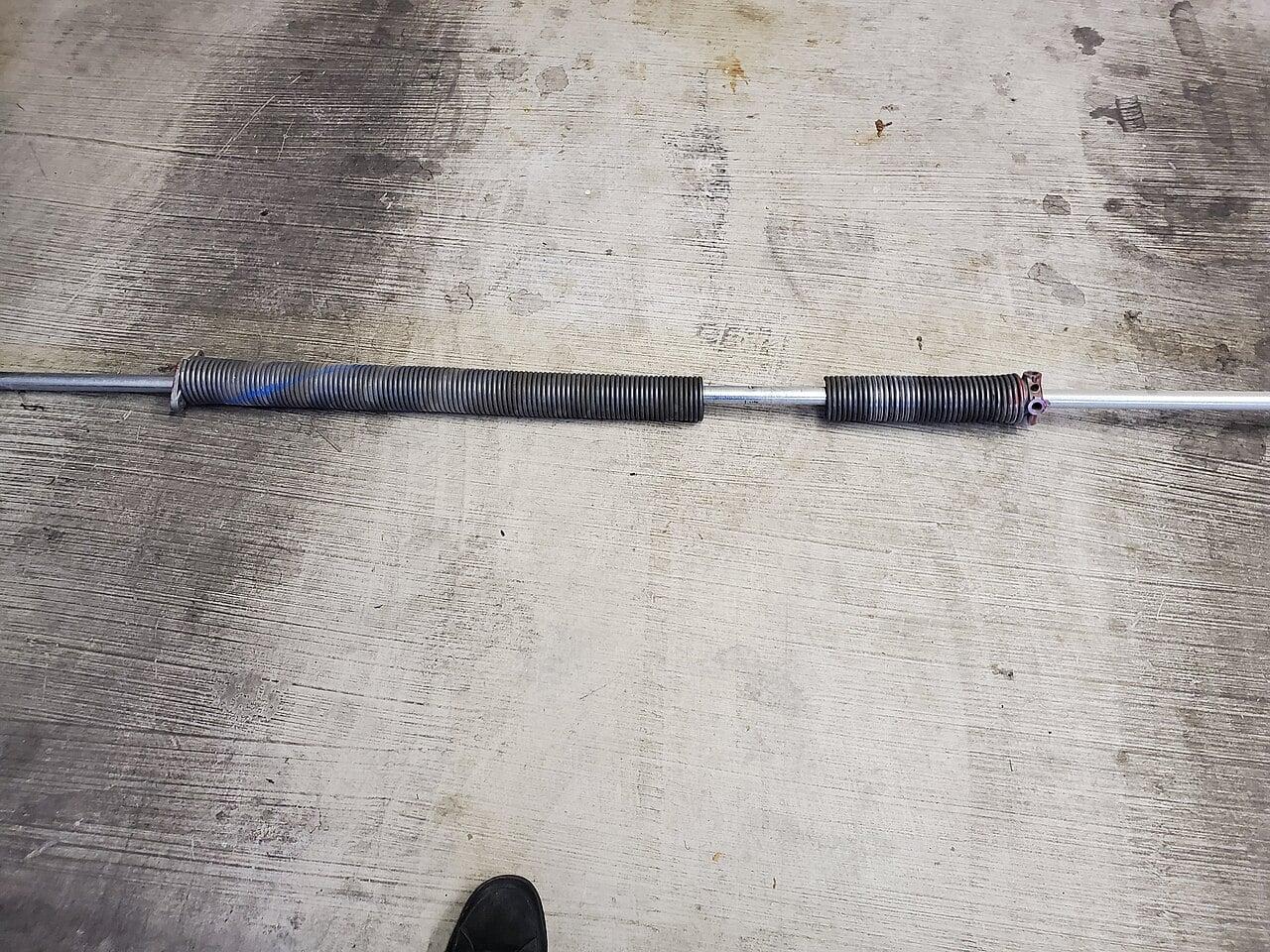
If the door moves slightly when the keypad is pressed but then stops, or if you hear the motor hum without movement, the issue may be mechanical bind. Check for obstructions in the track, damaged rollers, or misaligned hinges. Pull the emergency release cord and manually lift the door—it should move smoothly and stay open around 3-4 feet off the floor. If it’s heavy, binds, or drops, the springs or cables are likely at fault. **Do not adjust torsion springs**—they store lethal energy and must be serviced only by trained technicians with proper tools.
When to Stop Diagnosing
If you’ve confirmed power to the operator, verified the keypad wiring has continuity and voltage, checked that safety circuits are closed, and seen the control board register the keypad signal—but the door still won’t move—the fault is internal to the operator: motor capacitor, gear drive, or brake assembly. These require disassembly and electrical testing beyond basic troubleshooting. Similarly, any suspicion of spring, cable, or track damage warrants professional service. Continuing to force the door can compound damage or create safety hazards.
Frequently Asked Questions
### Can a power surge damage just the keypad and not the wall button?
Yes. Keypads are often more sensitive to voltage spikes than hardwired wall buttons due to their internal electronics. A surge can corrupt the keypad’s circuit board while leaving simpler switch inputs intact. Testing voltage at the keypad terminals after a storm or outage is wise.
Why does the keypad work intermittently when it’s cold or wet?
Temperature extremes and moisture can cause condensation inside the keypad or corrosion on its circuit board, leading to intermittent contact. In coastal or high-humidity areas of BC, consider a keypad with a higher NEMA rating or install it in a protective sleeve if exposed.
Is it safe to jump the keypad wires at the operator to test if the keypad is bad?
Only if you understand the circuit. Momentarily shorting the two keypad terminals at the operator should trigger the door if the wiring and keypad are the only faults. Never short these to other terminals—especially safety or power wires—as this can damage the control board or create unsafe operation.